A practical guide to Korean public holidays for international travelers. It explains which holidays have the biggest impact on travel, what usually closes or stays open, why transportation sells out around Seollal and Chuseok, how substitute holidays work, and the official 2026 holiday dates travelers should know.
Public holidays can change the rhythm of travel in South Korea. Banks and government offices may close, transportation demand can rise sharply, and some restaurants or shops may operate on reduced hours.
The two holidays that matter most for travelers are Seollal, the Korean Lunar New Year, and Chuseok, often called Korean Thanksgiving. Millions of people travel across the country to visit family during these periods, so trains, buses, highways, and domestic flights can become much busier than usual.
Most tourist attractions do not automatically close for every public holiday, but opening hours can vary. The safest approach is to check each attraction, restaurant, shop, and transport service when your trip overlaps with a Korean holiday.
ㅤ
The Most Important Holidays for Travelers
Not every Korean public holiday affects tourism in the same way.
For most visitors, Seollal and Chuseok require the most planning because they create major nationwide travel periods and can cause multi-day business closures.
Other public holidays may close banks and government offices while tourist attractions, department stores, amusement parks, restaurants, and shopping districts continue operating.
A one-day holiday in Seoul can therefore feel quite normal for a tourist, while a Seollal or Chuseok trip between cities requires much more preparation.
ㅤ
Seollal: Korean Lunar New Year
Seollal is one of Korea's most important traditional holidays.
The holiday is based on the lunar calendar, so the Gregorian-calendar dates change every year. The official holiday period normally includes Seollal Day plus the day before and the day after.
Families travel to their hometowns, hold ancestral memorial rites, eat tteokguk, visit relatives, and spend time together.
For travelers, the biggest practical issue is transportation. KTX trains, express buses, highways, and domestic flights can become extremely busy before and after the holiday.
Some restaurants, department stores, museums, and other businesses may close on Seollal Day or for part of the holiday period, although tourist attractions and cultural events can also make Seollal an interesting time to visit Korea.
ㅤ
Chuseok: Korean Thanksgiving
Chuseok is the other major traditional holiday period that international travelers should plan around carefully.
It falls on the 15th day of the eighth lunar month, so its Gregorian-calendar date also changes every year.
Families travel across Korea to gather, remember ancestors, share food, and celebrate the harvest season.
Like Seollal, Chuseok creates heavy nationwide transportation demand. Trains and buses on major intercity routes can sell out quickly, and road traffic can be severe.
Some independent restaurants and family-run businesses may close for several days, while major attractions, shopping centers, convenience stores, and tourist districts may continue operating with adjusted hours.
ㅤ
2026 Korea Public Holidays
ㅤ
The Korea Tourism Organization currently lists the following public holidays for 2026:
ㅤ
January 1 – New Year's Day
ㅤ
February 16-18 – Seollal holiday period, with Seollal Day on February 17
ㅤ
March 1 – Independence Movement Day, observed March 2
ㅤ
May 1 – Workers' Day
ㅤ
May 5 – Children's Day
ㅤ
May 24 – Buddha's Birthday, observed May 25
ㅤ
June 3 – Local Election Day
ㅤ
June 6 – Memorial Day
ㅤ
July 17 – Constitution Day
ㅤ
August 15 – Liberation Day, observed August 17
ㅤ
September 24-26 – Chuseok holiday period
ㅤ
October 3 – National Foundation Day, observed October 5
ㅤ
October 9 – Hangeul Day
ㅤ
December 25 – Christmas Day
Public-holiday rules can change, and lunar-calendar holidays move every year. Always confirm the calendar for the year of your trip.
ㅤ
What Changed in 2026?
Travelers using older Korea travel guides should be careful because the 2026 calendar includes changes.
Workers' Day on May 1 became an official public holiday in 2026.
Constitution Day on July 17 was also reinstated as a public holiday beginning in 2026 after many years without public-holiday status.
This is a good example of why an old blog post or saved calendar may not be reliable enough for current travel planning.
ㅤ
What Is a Substitute Holiday?
Korea uses substitute holidays for certain public holidays that overlap with weekends or other designated holidays.
This can move the practical day off to a nearby weekday even though the historical or traditional holiday itself remains on its original date.
For travelers, substitute holidays matter because banks, government offices, transportation demand, and business schedules may be affected on the observed weekday.
In 2026, examples include Independence Movement Day being observed on March 2, Buddha's Birthday on May 25, Liberation Day on August 17, and National Foundation Day on October 5.
ㅤ
Are Tourist Attractions Open on Public Holidays?
Many major tourist attractions remain open on Korean public holidays.
Korea Tourism Organization guidance states that palaces, museums, department stores, and amusement facilities generally continue operating during official holidays.
However, individual attractions can have their own weekly closing day or special holiday schedule.
Some museums may close on the main Seollal or Chuseok day while opening during the rest of the holiday period. Other cultural sites may offer free admission or special traditional programs.
Always check the official website for the exact date you plan to visit.
ㅤ
Are Restaurants and Shops Open?
There is no single rule for restaurants and shops.
Convenience stores, large shopping districts, tourist-area businesses, chain cafés, and many restaurants often stay open even during holidays.
Smaller family-run restaurants and independent businesses are more likely to close during Seollal or Chuseok so staff can spend time with family.
Department stores and large malls may close for one day or adjust opening hours during the major traditional holidays.
NAVER Map, KakaoMap, the business's social-media account, or a direct phone call can help confirm current hours, but holiday changes may not always appear immediately in map listings.
ㅤ
Banks and Government Offices
Government offices and ordinary bank branches generally close on official public holidays.
This matters if you need immigration paperwork, administrative services, bank counter service, or a specific financial transaction during your trip.
Airport currency-exchange facilities and private money-exchange services can operate on different schedules from ordinary bank branches.
If a holiday falls near your arrival or departure date, complete essential banking or government tasks on a normal weekday whenever possible.
ㅤ
Public Transportation Inside Cities
Subways, city buses, and taxis continue operating during public holidays.
Schedules can differ from normal weekday service, and passenger patterns change because offices and schools may be closed.
Within Seoul or Busan, a public holiday does not normally prevent you from moving around the city.
The bigger transportation problem during Seollal and Chuseok is intercity travel rather than ordinary urban transportation.
ㅤ
KTX and Intercity Trains During Seollal and Chuseok
Train tickets are one of the biggest planning issues around Korea's major traditional holidays.
KTX and other popular intercity trains can sell out quickly when holiday reservations open because millions of people are traveling to and from their hometowns.
Do not plan to arrive at Seoul Station on the morning of Chuseok weekend and assume you will find seats to Busan, Daegu, Daejeon, Gwangju, or other major cities.
If your itinerary overlaps with Seollal or Chuseok, check Korail's holiday reservation announcements and book as soon as the appropriate sales window opens.
Have an alternative route or travel date if a specific train is essential.
ㅤ
Express and Intercity Buses
Bus terminals can also become extremely busy during major holiday periods.
Express and intercity buses serve destinations that may not have convenient rail service, but popular departures can sell out and road congestion can make journey times much longer than usual.
A bus ticket does not guarantee that the highway will be free of traffic.
During Seollal and Chuseok, allow additional time and avoid tight same-day connections when possible.
ㅤ
Driving During Major Holidays
Driving can be particularly difficult during Seollal and Chuseok migration periods.
Highways leaving Seoul and other major cities can experience severe congestion before the main holiday, while return traffic builds toward the end of the break.
A route that normally takes a few hours can take much longer.
If you are renting a car, do not estimate holiday driving times based only on an ordinary-day map search.
For a tourist itinerary, traveling between cities before the holiday rush or after the main return period can be much less stressful.
ㅤ
Domestic Flights and Jeju Travel
Domestic flights also experience higher demand around major public holidays.
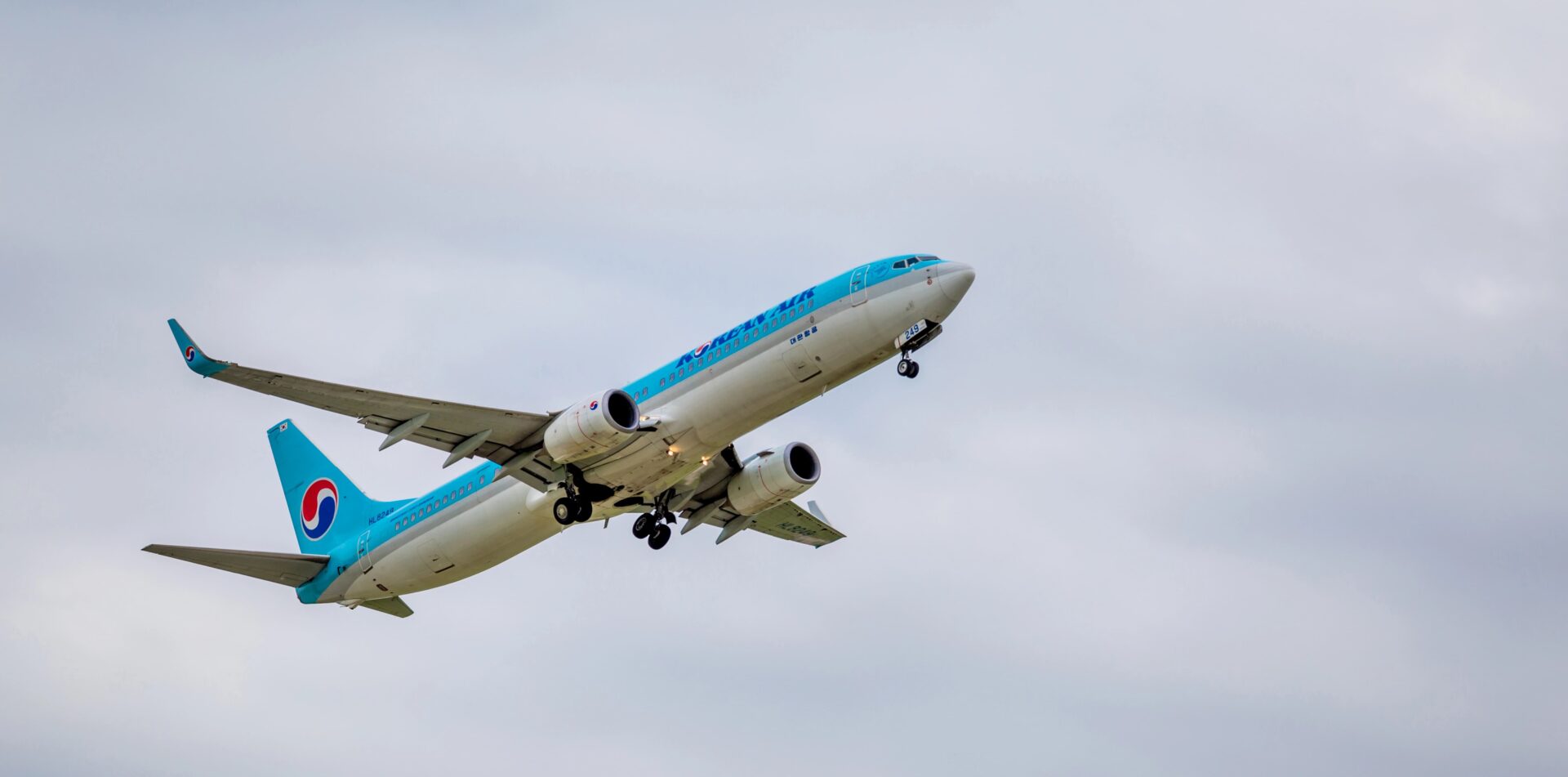
This is particularly relevant for Jeju, where flying is the main access method for most visitors.
Airfares can rise and desirable flight times can sell out around long weekends, school breaks, Seollal, and Chuseok.
Book earlier when your dates are fixed, especially if you need to connect with an international flight on the same day.
ㅤ
Public Holidays Can Also Be Good Travel Days
A Korean holiday is not automatically a bad day for sightseeing.
Office districts may be quieter, families visit parks and cultural sites, and special performances or traditional events may be held during Seollal, Chuseok, Children's Day, Buddha's Birthday, and other commemorative dates.
Royal palaces and cultural attractions sometimes provide special programs or free admission during major traditional holidays.
The key is to design the itinerary around what is open rather than assuming normal weekday conditions.
ㅤ
Buddha's Birthday
Buddha's Birthday is based on the lunar calendar and therefore moves each year.
Temples across Korea display lanterns and hold religious and cultural events around the holiday period.
For travelers, it can be an especially attractive time to visit major Buddhist temples, but famous sites may also be more crowded than usual.
Respect worshippers, follow photography rules, and remember that an active temple is a religious space rather than only a tourist attraction.
ㅤ
Children's Day and Family Attractions
Children's Day on May 5 is a major family holiday.
Amusement parks, zoos, aquariums, museums, parks, and family attractions can become significantly busier.
If your itinerary includes places such as Lotte World or Everland around Children's Day, reserve tickets where possible and expect larger crowds.
Public transportation to family attractions can also be busier than on an ordinary weekday.
ㅤ
Christmas in Korea
Christmas Day is a public holiday in South Korea.
For travelers, Christmas is generally much easier to navigate than Seollal or Chuseok. Shopping areas, restaurants, cafés, hotels, entertainment districts, and tourist attractions often remain active.
Popular areas can be very crowded, particularly in Seoul's shopping and nightlife districts.
Banks and government offices are normally closed because it is an official public holiday.
ㅤ
Check Weekly Closing Days Too
A public holiday is not the only reason a tourist site can be closed.
Museums, palaces, galleries, markets, and attractions can have regular weekly closure days or close on the day after a major holiday event.
For example, an attraction that opened specially throughout a holiday period may close the following day instead.
Always check the exact date rather than assuming that 'open on public holidays' means open every day of the year.
ㅤ
A Simple Holiday Travel Strategy
If your Korea trip overlaps with an ordinary one-day public holiday, keep your itinerary but verify attraction and restaurant hours.
If it overlaps with Seollal or Chuseok, plan more carefully.
Book intercity transportation early.
Avoid tight travel connections.
Check hotel, restaurant, attraction, and shopping hours.
Have alternative dining options.
Expect some cultural sites to hold special events.
Within a major city, sightseeing can still be enjoyable even when many offices are closed.
ㅤ
Final Public Holiday Checklist
Before booking your Korea trip, check whether any national holiday falls within your travel dates.
If the trip includes Seollal or Chuseok, prioritize transportation reservations before restaurant or sightseeing details.
Confirm opening hours for must-visit attractions.
Complete bank or government-office tasks on normal weekdays.
Allow extra time for airports, highways, train stations, and bus terminals during peak holiday periods.
Recheck operating information shortly before the holiday because businesses can announce special hours close to the date.
ㅤ
FAQ
What are the biggest public holidays in Korea for travelers?
Seollal and Chuseok have the biggest impact because millions of Koreans travel to their hometowns and some businesses close for several days.
Are tourist attractions closed on Korean public holidays?
Not necessarily. Major palaces, museums, department stores, and amusement facilities often remain open, but individual operating schedules vary.
Are banks open on Korean public holidays?
Ordinary bank branches are generally closed on official public holidays. Airport and private exchange services can follow different schedules.
Do trains run during Seollal and Chuseok?
Yes, but demand is extremely high and popular trains can sell out quickly. Travelers should book as early as the holiday reservation system allows.
Is public transportation available on Korean holidays?
Yes. Subways, buses, taxis, trains, and other transport continue operating, but schedules, demand, and congestion can differ from normal weekdays.
When is Chuseok in 2026?
The 2026 Chuseok holiday period is September 24-26.
When is Seollal in 2026?
The 2026 Seollal holiday period was February 16-18, with Seollal Day on February 17.
Are Korean public holiday dates the same every year?
Some fixed-date holidays are, but Seollal, Chuseok, and Buddha's Birthday follow the lunar calendar, so their Gregorian dates change every year.