
A practical budget guide for international travelers planning a trip to South Korea. It provides realistic daily planning ranges for budget, mid-range, and more comfortable travel, and explains how accommodation, food, transport, attractions, intercity travel, and shopping affect the total cost.
South Korea can work for very different travel budgets. A traveler staying in hostels, using subways, eating at local restaurants, and visiting free attractions can keep daily costs relatively low, while premium hotels, frequent taxis, fine dining, shopping, and domestic flights can raise the total quickly.
The most useful way to budget is to separate fixed costs from daily spending. Flights and accommodation usually make the biggest difference, while local transportation and many public attractions are comparatively affordable.
The figures below are planning ranges rather than fixed prices. Hotel rates, restaurant prices, exchange rates, and transport costs can change by season, city, day of the week, and booking date.
ㅤ
Start with a Daily Budget Range
For a simple planning framework, think in Korean won per person per day, excluding international airfare and major shopping.
A budget traveler can often plan around KRW 70,000-120,000 per day by using hostels or inexpensive guesthouses, public transportation, casual meals, and mostly free or low-cost attractions.
A mid-range traveler may spend around KRW 150,000-300,000 per day with a private hotel room, a mix of casual and nicer restaurants, regular café visits, paid attractions, and occasional taxis.
A more comfortable or premium trip can easily exceed KRW 350,000 per day, especially with upscale hotels, private transport, fine dining, nightlife, premium experiences, or frequent shopping.
These are broad planning ranges, not promises. Accommodation is the largest variable, particularly in Seoul, Busan during peak periods, Jeju, and on weekends or holidays.
ㅤ
Accommodation Is Usually the Biggest Variable
Accommodation can account for the largest share of your daily budget. Korea offers hostels, guesthouses, business hotels, motels, serviced residences, international hotel chains, hanok stays, resorts, and luxury hotels.
As a rough planning range, a dormitory bed or very simple room may start around KRW 25,000-50,000 per person, while a basic private room often falls around KRW 60,000-120,000. Mid-range hotels commonly require roughly KRW 120,000-250,000 per room, while upscale and luxury properties can cost far more.
Location matters. Staying in central Seoul neighborhoods such as Myeongdong, Hongdae, Gangnam, or near major attractions can cost more than staying farther from the center. Weekend and holiday prices can also be noticeably higher.
VISITKOREA recommends motels and guesthouses as practical budget options and notes that weekday accommodation can be cheaper than weekends.
ㅤ
Food Can Be Affordable or a Major Experience Budget
Korea is relatively easy to enjoy on a moderate food budget because inexpensive meals are widely available alongside premium dining.
For planning purposes, a simple convenience-store breakfast or snack may cost only a few thousand won. A casual local meal such as noodles, rice dishes, soups, or bunsik may often fall around KRW 8,000-15,000. A standard restaurant meal can easily reach KRW 15,000-30,000 per person, while Korean barbecue, seafood, tasting menus, and premium restaurants can cost considerably more.
A traveler focused on value might budget around KRW 25,000-50,000 per day for food. A traveler who wants cafés, desserts, barbecue, drinks, and a wider variety of restaurants may prefer KRW 50,000-100,000 or more.
Tipping is not generally required or expected in ordinary Korean restaurants, which makes meal budgeting more straightforward.
ㅤ
Local Public Transportation Is Relatively Affordable
Public transportation is one of the easier parts of a Korea travel budget to control. In Seoul, the adult subway base fare using a transportation card is KRW 1,550 as of the fare change effective June 28, 2025. Distance-based charges apply on longer trips.
For a normal sightseeing day in Seoul using subways and buses, many travelers can plan roughly KRW 5,000-10,000 for local transport, depending on how many journeys they make and how far they travel.
A rechargeable Tmoney card typically costs around KRW 3,000-5,000 before adding travel credit. Seoul also offers short-term Climate Card passes for visitors, including 1-, 2-, 3-, 5-, and 7-day options, which can be useful for travelers making many eligible journeys.
Taxis are convenient but can change the budget quickly if used repeatedly. Public transportation is usually the better default for travelers trying to control costs.
ㅤ
Intercity Travel Needs a Separate Budget
If your itinerary includes Seoul, Busan, Gyeongju, Jeonju, Gangneung, or other cities, calculate intercity transportation separately from your normal daily transport budget.
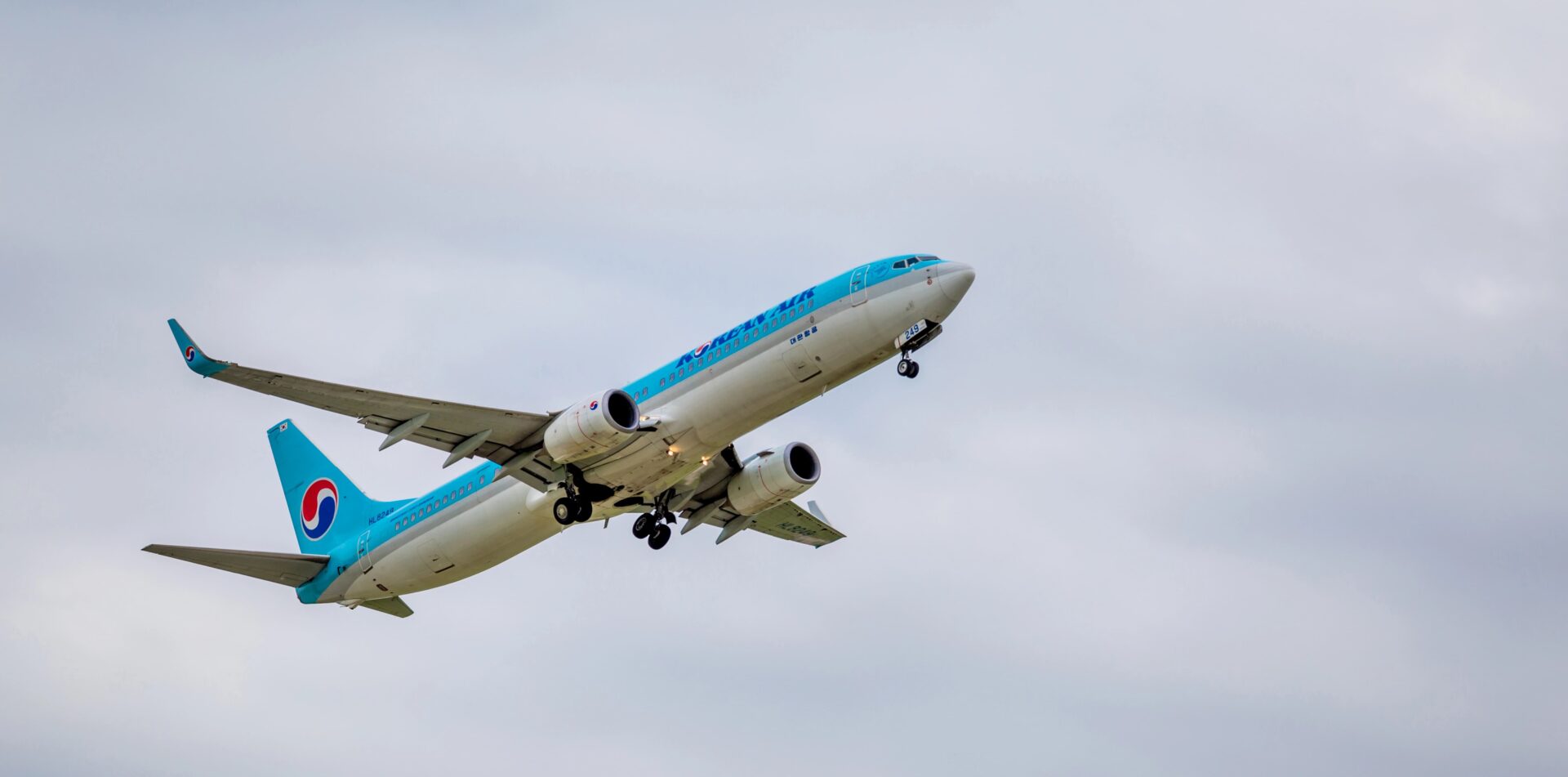
KTX high-speed trains are faster but usually more expensive than express or intercity buses. Domestic flights may be competitive on some routes, particularly when traveling to Jeju or when discounted fares are available.
International travelers planning several train journeys should also compare ordinary tickets with the KORAIL Pass. VISITKOREA notes that the pass is available exclusively to international travelers and can provide unlimited standard-class use during the selected pass period, subject to reservation conditions.
Book popular routes earlier around weekends, public holidays, and major Korean holiday periods. Last-minute availability can affect both cost and itinerary flexibility.
ㅤ
Many Attractions Are Free or Low Cost
Sightseeing does not have to be one of the most expensive parts of a Korea trip. Parks, neighborhoods, markets, hiking trails, riverside areas, traditional streets, and many cultural sites can be visited for free.
Major national museums can also be free for their permanent collections, while historical attractions and palaces often have relatively modest admission fees compared with major attractions in many global cities.
Budget travelers can therefore build full days around neighborhoods, markets, parks, museums, and walking routes without spending heavily on tickets.
Theme parks, observation decks, performances, guided tours, ski resorts, K-pop experiences, and private activities should be treated as separate discretionary expenses because they can add significantly to the daily total.
ㅤ
Cafés, Shopping and Nightlife Are Easy to Underestimate
Small discretionary expenses can become a large part of the total budget. Korea has a strong café, beauty, fashion, convenience-store, character-goods, K-pop, and nightlife culture, and many travelers spend more in these categories than they initially expect.
A few coffees, desserts, beauty products, souvenirs, and late-night drinks each day can easily add tens of thousands of won to the budget.
It is useful to create a separate shopping and entertainment allowance instead of treating these purchases as part of the food budget. Travelers interested in K-beauty, fashion, K-pop merchandise, department stores, or duty-free shopping may want to set a specific total shopping limit before the trip.
ㅤ
Sample Daily Budgets
Budget travel: roughly KRW 70,000-120,000 per person per day. Think hostel or inexpensive guesthouse, public transport, casual local meals, limited cafés, and mostly free or inexpensive attractions.
Mid-range travel: roughly KRW 150,000-300,000 per person per day. Think private hotel room, normal restaurants, cafés, paid attractions, occasional taxis, and more flexibility.
Comfortable or premium travel: KRW 350,000 or more per person per day. Think upscale hotels, frequent taxis or private transport, premium dining, nightlife, tours, and higher discretionary spending.
If two people share a hotel room, the per-person accommodation cost can fall significantly compared with a solo traveler paying for a private room alone.
ㅤ
Example Budget for a 7-Day Korea Trip
For a seven-day trip, a budget traveler might plan approximately KRW 490,000-840,000 for on-the-ground expenses excluding international airfare and major shopping.
A mid-range traveler might plan around KRW 1,050,000-2,100,000 per person, depending heavily on hotel choice and whether accommodation is shared.
A more premium trip can exceed KRW 2,450,000 for seven days before international flights and shopping, and there is effectively no upper limit once luxury hotels, private tours, fine dining, and premium retail are included.
These totals are deliberately broad. A seven-day Seoul-only trip can have a different cost structure from a trip involving Seoul, Busan, and Jeju because intercity trains, domestic flights, and additional transfers increase the transport budget.
ㅤ
How to Save Money Without Making the Trip Difficult
Use public transportation as your default and taxis selectively. Stay near a subway station so you do not need taxis at the start and end of every day.
Mix expensive meals with local restaurants, markets, food courts, and convenience-store breakfasts. Korea offers many satisfying meals without requiring premium dining prices.
Use free museums, parks, riverside spaces, markets, neighborhoods, and hiking routes to balance days with paid attractions.
Compare weekday and weekend hotel rates, and book high-demand dates early. If traveling across several cities, compare KTX, buses, domestic flights, and any tourist rail passes before locking in the route.
Most importantly, decide in advance which experiences are worth spending more on. Saving everywhere can reduce the quality of the trip; controlling low-priority expenses so you can spend on the experiences you value is usually a better strategy.
ㅤ
Keep Exchange Rates Separate from Your Budget
Plan the trip primarily in Korean won because exchange rates move constantly. A budget that appears cheap in your home currency today may change by the time you travel.
When comparing prices, check your bank's foreign transaction fees, ATM fees, card exchange rates, and any dynamic currency conversion offered by merchants or payment terminals.
Use home-currency conversions only as a reference. Your actual spending and local prices will be in Korean won.
ㅤ
Final Korea Travel Budget Checklist
Before booking, estimate international airfare, accommodation, local transportation, intercity transport, food, attractions, mobile data, travel insurance, shopping, and an emergency reserve separately.
Then add a buffer for price changes and spontaneous purchases. A 10-20 percent contingency can prevent a few expensive meals, extra taxi rides, or a last-minute itinerary change from disrupting the overall budget.
Korea can be affordable for independent travelers, but it is also extremely easy to spend more if shopping, cafés, nightlife, and premium experiences are central to the trip. Build the budget around your own travel style rather than a single advertised average.
ㅤ
FAQ
How much money do I need per day in Korea?
A practical planning range is around KRW 70,000-120,000 per day for budget travel, KRW 150,000-300,000 for mid-range travel, and KRW 350,000 or more for a comfortable or premium trip. These ranges exclude international airfare and major shopping.
Is Korea expensive for tourists?
It depends on travel style. Public transport and many attractions are affordable, while hotels, premium dining, nightlife, cafés, and shopping can increase costs quickly.
How much is the Seoul subway?
The adult base fare using a transportation card is KRW 1,550 as of the fare change effective June 28, 2025. Longer journeys can cost more because the system is distance-based.
How much should I budget for food in Korea?
A value-focused traveler may be comfortable with roughly KRW 25,000-50,000 per day, while travelers who want cafés, barbecue, drinks, and nicer restaurants may prefer KRW 50,000-100,000 or more.
Do I need cash in Korea?
Cards are widely accepted, but carrying some Korean won is useful for markets, small businesses, transportation-card situations, and as a backup if a foreign card does not work.
Should I include shopping in my daily travel budget?
It is usually better to keep shopping separate. K-beauty, fashion, souvenirs, K-pop merchandise, and duty-free purchases can vary so widely that including them in a normal daily budget makes the estimate less useful.
Is a seven-day Korea trip expensive?
A seven-day trip can range from roughly KRW 490,000-840,000 for budget on-the-ground travel to well over KRW 2,450,000 for a more premium trip, before international airfare and major shopping. Accommodation and intercity travel are the biggest variables.