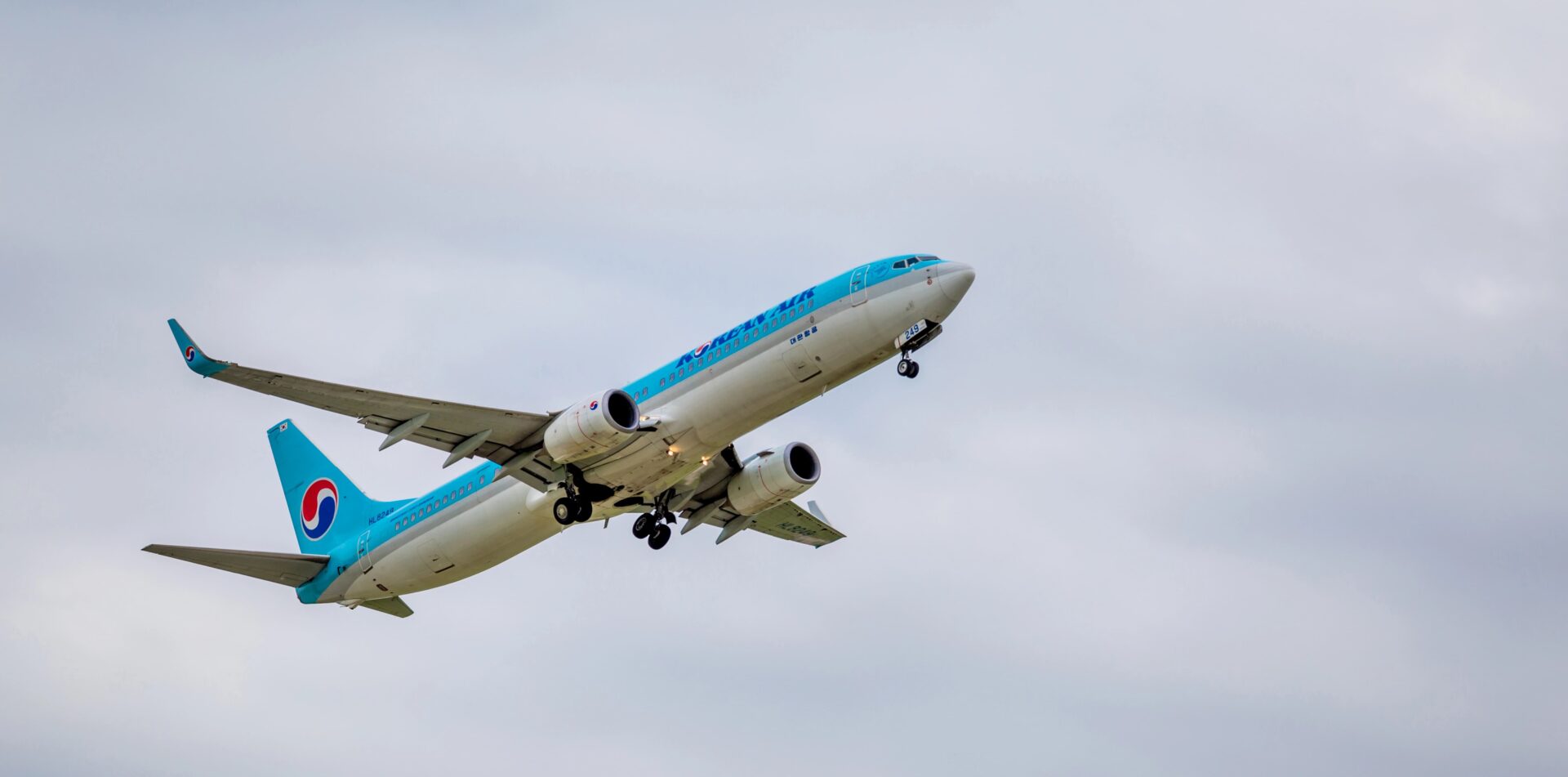

A practical Seoul and Jeju itinerary for first-time visitors. The recommended seven-day version gives Seoul four sightseeing days and Jeju three island days, using a direct Gimpo-Jeju flight and one Jeju hotel base. It combines Korea's capital with volcanic scenery, coastal walks and island food without adding Busan or another overnight city.
Seoul and Jeju is one of the best Korea itineraries for travelers who want a major city and a nature-focused island in the same trip.
The most balanced version takes seven full days: four days in Seoul and three days in Jeju. Seoul gives you royal palaces, contemporary neighborhoods, markets, shopping and nightlife. Jeju adds volcanic landscapes, beaches, coastal roads and a much slower pace.
This route requires one domestic flight but only one major hotel change. It is especially strong for travelers who prefer nature and island scenery over adding Busan or Gyeongju.
ㅤ
Recommended Seoul and Jeju Route at a Glance
Day 1 — Historic Seoul: Gyeongbokgung Palace, Bukchon Hanok Village, Insadong and Ikseon-dong.
Day 2 — Contemporary Seoul: Seoul Forest, Seongsu-dong, COEX and Gangnam or Jamsil.
Day 3 — West Seoul: Hongdae, Yeonnam-dong, Mangwon Market and the Han River.
Day 4 — Cultural and Central Seoul: National Museum of Korea or another museum, Namsan and Myeongdong, then pack for Jeju.
Day 5 — Seoul to Jeju: Fly from Gimpo to Jeju, then use the afternoon for Jeju City or Aewol and Handam Coastal Trail.
Day 6 — East Jeju: Seongsan Ilchulbong, Seopjikoji and optional Udo.
Day 7 — South or West Jeju: Seogwipo and waterfalls, or Hyeopjae and west-coast scenery, then onward travel.
ㅤ
Why Four Days in Seoul and Three Days in Jeju?
Four Seoul days gives you enough time to separate the capital into different geographic clusters instead of crossing the city constantly.
Three Jeju days is still a short island stay, but it provides one arrival-day region, one full east-Jeju day and one south- or west-Jeju day.
A 4+3 split also avoids changing hotels every other night.
If Jeju is the main purpose of your trip, use a 3+4 split instead. If this is your first Korea trip and Seoul is the priority, keep four days in the capital.
ㅤ
How Many Days Do You Need for Seoul and Jeju?
Six days is possible but fast: three Seoul days and three Jeju days.
Seven days is the best balanced minimum for most first-time travelers.
Eight days gives you either five Seoul days and three Jeju days, or four Seoul days and four Jeju days.
Ten days allows a much deeper Jeju stay or the addition of another mainland destination.
For only five days, choose Seoul plus a nearby day trip or stay entirely in Seoul rather than adding an airport transfer.
ㅤ
Day 1: Historic Seoul
Start in Jongno with Gyeongbokgung Palace, Bukchon Hanok Village, Insadong and Ikseon-dong.
These attractions are close enough to combine mostly on foot and provide a strong introduction to Seoul's royal and traditional history.
Visit Gyeongbokgung near opening time. Current Visit Seoul information lists 09:00 opening, seasonal closing between 17:00 and 18:30, and Tuesday as the regular weekly closure day.
After the palace, continue to Bukchon during daytime visitor hours, then use Insadong for lunch or tea and finish in Ikseon-dong for dinner.
ㅤ
Day 2: Seoul Forest, Seongsu and Southern Seoul
Use Day 2 for contemporary Seoul.
Start with a short walk through Seoul Forest, then continue directly into Seongsu-dong.
Seongsu has evolved from a workshop and industrial district into one of Seoul's major creative areas, with cafés, flagship stores, beauty experiences, galleries and constantly changing pop-ups.
Continue to COEX and Starfield Library in the afternoon.
Choose Gangnam or Jamsil for the evening rather than trying to cover both.
ㅤ
Day 3: Hongdae, Yeonnam and the Han River
Spend the third day in western Seoul.
Start in Hongdae, walk into Yeonnam-dong and the Gyeongui Line Forest Park area, then continue toward Mangwon Market.
Use Mangwon for lunch or snacks, and finish at Mangwon Hangang Park when the weather is comfortable.
This is intentionally a slower day. You are about to add a domestic-flight transfer, so do not make every Seoul day a dawn-to-midnight sightseeing marathon.
ㅤ
Day 4: Museum, Namsan and Myeongdong
Use the final full Seoul day for cultural depth and flexible shopping.
The National Museum of Korea is a strong morning choice because its permanent galleries are free and provide a much broader historical timeline than the palace day alone.
Afterward, use Yongsan, Hannam-dong or another nearby neighborhood according to your interests.
If visibility is good, go to Namsan in the late afternoon and finish in Myeongdong for dinner, cosmetics, fashion or final Seoul shopping.
Return to the hotel with enough time to pack for Jeju.
ㅤ
Seoul to Jeju: Use Gimpo Airport for Most Domestic Flights
For most Seoul-based travelers, Gimpo International Airport is the practical departure airport for Jeju.
Current Korean Air schedules continue to sell direct Gimpo (GMP) to Jeju (CJU) service in 2026, and Jeju Air also publishes Seoul-Jeju domestic fares.
A special direct Incheon-Jeju service resumed in May 2026, but the initially announced schedule was a limited trial and the published summer operation ended on August 7, 2026.
Do not assume an Incheon-Jeju flight exists for your date. For a normal Seoul stay, plan around Gimpo unless your airline confirms otherwise.
ㅤ
How Long Does the Seoul-Jeju Transfer Really Take?
The flight itself is only part of the transfer.
You need to leave your Seoul hotel, travel to Gimpo Airport, check in, clear security, board, collect baggage at Jeju Airport and then travel to your Jeju accommodation.
Treat Day 5 as a half transfer day rather than promising yourself a full island itinerary immediately after landing.
A morning flight is usually best because it preserves most of the afternoon for Jeju.
ㅤ
Where to Stay in Jeju for Three Nights
Choose one Jeju base for a three-night stay.
Jeju City is convenient for the airport, Dongmun Market, Aewol and many northern or western routes.
Seogwipo is better for southern waterfalls, Jungmun and south-coast sightseeing.
Seongsan works well when sunrise, Udo and east Jeju are your main priorities, but it is less central for a mixed island itinerary.
Do not change hotels every night merely to save driving time. With only three nights, one base is usually easier.
ㅤ
Getting Around Jeju
Jeju has buses and taxis but no subway or train network.
Current July 2026 Korea Tourism Organization guidance confirms that buses from Jeju International Airport serve Jeju City, Seogwipo, major beaches and Jungmun Tourist Complex.
The same guidance notes that public transportation can cover major island destinations, while a rental car can make west-coast and inland routes more convenient.
If you rent a car, confirm the current driver's-license and International Driving Permit requirements before traveling.
ㅤ
Day 5: Jeju City or Aewol After Arrival
Keep the first island afternoon simple.
If you stay in Jeju City, use Dongmun Market, the old downtown area or a relaxed local dinner.
If you have a rental car and your timing is good, Aewol is an attractive alternative.
Handam Coastal Trail runs for about 1.2 kilometers along the shoreline from the Aewol area toward Gwakji, with volcanic rocks and open sea views.
Because it sits on Jeju's western side, the trail is also a good sunset option.
ㅤ
Why Aewol Works on the Arrival Day
Aewol is relatively close to Jeju Airport compared with many east- or south-island attractions.
That makes it easier to enjoy some coastline without committing to a long cross-island drive after a flight.
Keep the day limited to one coastal area, a café or meal and your hotel.
Do not land in Jeju and immediately attempt Aewol, Hyeopjae, Seogwipo and Seongsan in the same afternoon.
ㅤ
Day 6: East Jeju
Use one full day for the eastern side of Jeju.
The core route is Seongsan Ilchulbong → Seopjikoji → optional Udo or another nearby east-coast stop.
These places work together geographically and avoid wasting time driving across the island.
ㅤ
Morning: Seongsan Ilchulbong
Seongsan Ilchulbong Tuff Cone is one of Jeju's signature volcanic landscapes and one of the island's UNESCO-recognized natural heritage attractions.
The tuff cone rises about 180 meters above sea level and has a crater roughly 600 meters across.
Current VISITKOREA operating hours are 05:00-19:00 in March-April and September-October, 04:30-20:00 from May through August, and 06:00-18:00 from November through February.
The first Monday of every month is normally a closing day, with the closure shifted when Monday is a public holiday.
Last ticketing is one hour before closing.
ㅤ
Continue to Seopjikoji
Seopjikoji sits just south of Seongsan Ilchulbong and makes an efficient second stop.
The cape provides open sea views, volcanic terrain, fields and a lighthouse landscape.
Current VISITKOREA information lists Seopjikoji as open 24 hours year-round with free admission.
Use it as an untimed coastal walk after the more structured Seongsan visit.
ㅤ
Optional: Udo Island
Udo is worth adding when island scenery is one of the main reasons for your Jeju stay and the ferry is operating normally.
Current 2026 Korea Tourism Organization guidance describes Udo as roughly a 15-minute ferry ride from Seongsan Port and says it can be explored as a half-day trip.
Ferry schedules can change because of wind and weather.
If you visit Udo, remove another Day 6 stop. Do not treat Udo as a quick one-hour add-on.
ㅤ
East Jeju Without a Rental Car
East Jeju is one of the more realistic parts of the island to explore by bus.
KTO's east-coast public-transport guide highlights Bus 101 and Bus 201 as useful routes, including connections from Jeju Airport toward Hamdeok and farther along the east coast.
Bus 101 from the airport to Hamdeok generally takes around 40 minutes in the current KTO guide, and Bus 201 continues along many east-coast stops.
Public transport takes longer than driving, so reduce the number of attractions when using buses.
ㅤ
Day 7 Option 1: South Jeju and Seogwipo
Choose south Jeju when waterfalls, coastal scenery and Seogwipo are priorities.
Base the day around central Seogwipo, one or two waterfalls, a coastal walk and Seogwipo Maeil Olle Market.
Do not attempt every major waterfall and Jungmun attraction simply because they appear close on a map.
Keep enough time for your airport transfer if this is also your departure day.
ㅤ
Day 7 Option 2: West Jeju
Choose west Jeju when beaches, sunset and coastal driving matter more.
A practical route is Aewol or Handam Coastal Trail → Hyeopjae Beach → one nearby west-coast stop.
Hyeopjae Beach is open year-round and is known for white sand, shallow water, pine forests and views toward Biyangdo Island.
The west side is especially attractive late in the day because of sunset views.
ㅤ
Hyeopjae Beach
Current VISITKOREA information lists Hyeopjae Beach as open 24 hours year-round with free admission.
The water is relatively shallow and the beach connects visually with nearby Geumneung Beach.
Swimming operations are seasonal even though the beach itself is accessible year-round.
Outside summer, treat Hyeopjae mainly as a walking and scenery stop.
ㅤ
Do Not Try to Circle Jeju in One Day
Jeju is much larger than many first-time visitors expect.
Attractions are spread around the coast and inland, and a route that looks simple on a map can involve hours of driving or bus transfers.
Choose east Jeju for one day and either south or west Jeju for another.
A three-day island stay is about selecting regions, not completing every famous attraction.
ㅤ
What About Hallasan?
Hallasan is Korea's highest mountain at 1,947 meters and can require most of a day for serious summit hiking.
Do not combine a summit attempt with a full Seongsan, Udo or Seogwipo sightseeing route.
If Hallasan is one of your main goals, dedicate one entire Jeju day to the mountain and remove one regional sightseeing day.
Check current trail access, weather and reservation rules shortly before hiking.
ㅤ
A 6-Day Seoul and Jeju Version
Use three days in Seoul and three days in Jeju.
Day 1: Historic Seoul.
Day 2: Seongsu and southern Seoul.
Day 3: Hongdae, Mangwon and Myeongdong or Namsan.
Day 4: Morning Gimpo-to-Jeju flight and Aewol or Jeju City.
Day 5: East Jeju.
Day 6: South or west Jeju.
This version works, but Seoul will feel more compressed.
ㅤ
An 8-Day Seoul and Jeju Version
Eight days gives you more flexibility.
Use four days in Seoul and four days in Jeju when nature is a major priority.
The extra Jeju day can be Hallasan, Udo plus a slower east-coast day, or a separate south and west day.
Alternatively, spend five days in Seoul and three in Jeju if shopping, museums, nightlife or beauty appointments matter more.
ㅤ
Should You Add Busan?
Not on a seven-day Seoul-and-Jeju trip unless Busan is more important to you than meaningful time in one of the two destinations.
Adding Busan creates another hotel change and another major transfer.
For Seoul, Busan and Jeju, ten days is a much stronger trip length.
For seven days, Seoul and Jeju is cleaner and more relaxed.
ㅤ
When to Fly Back Toward Seoul
If your international flight leaves from Incheon early the following morning, fly back from Jeju the previous evening.
Most domestic Jeju-to-Seoul flights use Gimpo, so remember that Gimpo and Incheon are separate airports.
Allow enough time to transfer between them when necessary.
Do not create a tight same-day Jeju-Gimpo-Incheon connection for an important long-haul flight simply to preserve one final island dinner.
ㅤ
Direct Jeju-to-Incheon Flights: Check the Date Carefully
Direct Incheon-Jeju flights did resume in May 2026, but the KTO schedule announced at the time was temporary and limited.
The published summer phase ran Mondays and Fridays through August 7, 2026.
Because this guide is being prepared after that announced period, travelers should not assume the route is currently operating.
Always check the airline's live schedule for your exact date.
ㅤ
Book the Structural Transport First
Once your dates are fixed, book the Gimpo-to-Jeju flight and your return or onward Jeju flight.
Then choose hotels based on those flight times.
A flight that arrives at Jeju late at night should change where you stay and how you plan the next morning.
Do not build the itinerary around hotel prices first and transport second.
ㅤ
Luggage Strategy
A Seoul-and-Jeju trip is easier with one manageable suitcase.
Domestic airlines can have different checked-baggage rules depending on fare type, so confirm your allowance before arriving at Gimpo.
Use hotel luggage storage before check-in when necessary.
If you shop heavily in Seoul, reorganize your suitcase on Day 4 instead of dealing with excess baggage at the airport.
ㅤ
Best Seasons for Seoul and Jeju
Spring and fall are excellent because both Seoul and Jeju involve extensive outdoor walking.
Summer gives you beach weather but also heat, humidity, heavy rain and possible typhoon disruption.
Winter is colder in Seoul and windy on Jeju, but crowds can be lower and the island still offers coastal scenery.
Because Jeju weather can differ significantly from Seoul, check both forecasts separately when packing.
ㅤ
Final Seoul and Jeju Itinerary
Day 1: Gyeongbokgung Palace → Bukchon → Insadong → Ikseon-dong.
Day 2: Seoul Forest → Seongsu → COEX → Gangnam or Jamsil.
Day 3: Hongdae → Yeonnam → Mangwon Market → Han River.
Day 4: National Museum of Korea → Yongsan or Hannam → Namsan → Myeongdong → pack.
Day 5: Gimpo Airport → Jeju → Jeju City or Aewol and Handam Coastal Trail.
Day 6: Seongsan Ilchulbong → Seopjikoji → optional Udo.
Day 7: South Jeju and Seogwipo, or west Jeju and Hyeopjae → onward travel.
This route gives you a deep first look at Seoul and enough Jeju time to experience the island as a destination rather than a one-night side trip.
ㅤ
FAQ
How many days do I need for Seoul and Jeju?
Seven days is the best balanced minimum for most first-time travelers. Six is possible but faster, while eight days gives you more flexibility.
How should I divide seven days between Seoul and Jeju?
Four sightseeing days in Seoul and three days in Jeju is the most balanced first-trip split.
Which Seoul airport should I use for Jeju?
Gimpo International Airport is the normal domestic gateway for Seoul-Jeju travel. Current Korean Air schedules continue to sell direct GMP-CJU flights.
Can I fly directly from Incheon to Jeju?
Direct service resumed in May 2026, but the initially announced summer schedule was limited and ended on August 7, 2026. Check current airline schedules for your actual date instead of assuming the route is operating.
Do I need a rental car in Jeju?
No. Buses and taxis can cover major areas, but a rental car makes some west-coast and inland routes easier.
Where should I stay in Jeju for three nights?
Jeju City is best for airport convenience and northern or western routes. Seogwipo is better for the south coast and waterfalls. Seongsan is useful when east Jeju and Udo are your main priorities.
Is three days enough for Jeju?
Yes for a first introduction if you focus on selected regions. It is not enough to explore the entire island.
Should I visit Udo?
Yes if it is a priority and ferry conditions are good. Treat it as a half-day trip and reduce other east-Jeju stops.
Can I hike Hallasan on this itinerary?
Yes, but replace one full Jeju sightseeing day with the hike. Do not combine a serious summit route with a full east- or south-coast itinerary.
Should I return to Seoul before an international flight from Incheon?
For an early or important flight, returning toward Seoul or Incheon the previous evening provides the safest buffer.
Should I add Busan to a seven-day Seoul and Jeju trip?
Usually no. Seoul, Busan and Jeju is much more comfortable with around ten days.