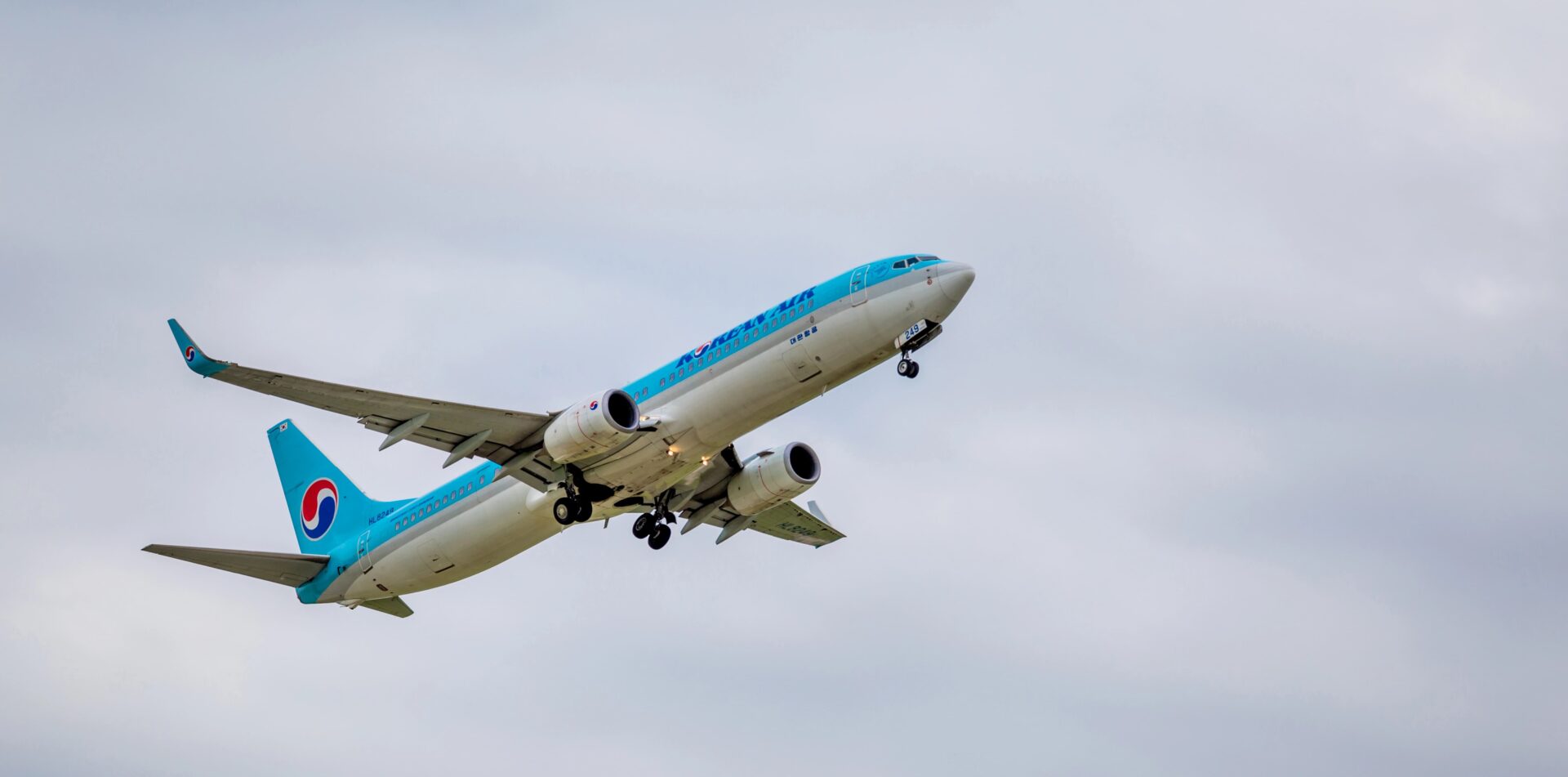

A practical ten-day Seoul, Busan and Jeju itinerary for first-time visitors. It gives Seoul four days, uses KTX to reach Busan for three coastal and market-focused days, then flies directly from Busan to Jeju for three island days. The route avoids backtracking and gives each destination enough time to feel different.
Ten days is an excellent length for combining Seoul, Busan and Jeju. The three destinations give you very different versions of Korea: a huge capital, a major coastal city and a volcanic island.
The most practical split is four days in Seoul, three days in Busan and three days in Jeju. Travel from Seoul to Busan by KTX, then fly directly from Busan to Jeju. This keeps the route moving south and avoids returning to Seoul between destinations.
This itinerary is designed for first-time visitors who want variety without adding Gyeongju or another overnight stop. If history is a higher priority than Jeju, a Seoul-Gyeongju-Busan route may be better.
ㅤ
10-Day Seoul, Busan and Jeju Itinerary at a Glance
Day 1 — Historic Seoul: Gyeongbokgung Palace, Bukchon Hanok Village, Insadong and Ikseon-dong.
Day 2 — Contemporary Seoul: Seoul Forest, Seongsu-dong, COEX and Gangnam or Jamsil.
Day 3 — West Seoul: Hongdae, Yeonnam-dong, Mangwon Market and the Han River.
Day 4 — Central Seoul: National Museum of Korea or another museum, Namsan and Myeongdong, plus time to prepare for the train.
Day 5 — Seoul to Busan: Morning KTX, Gamcheon Culture Village, Jagalchi Market, Gukje Market and Gwangalli Beach.
Day 6 — East Busan: Haeundae Beach, Haeundae Blueline Park, Cheongsapo and optional Haedong Yonggungsa Temple.
Day 7 — Yeongdo and Coastal Busan: Huinnyeoul Culture Village, coastal walking and a flexible final Busan evening.
Day 8 — Busan to Jeju: Fly from Gimhae International Airport to Jeju, then use the afternoon for Jeju City or Aewol.
Day 9 — East Jeju: Seongsan Ilchulbong, Seopjikoji and optional Udo.
Day 10 — South or West Jeju: Seogwipo waterfalls and coast, or a west-Jeju route, then onward travel.
ㅤ
Why This 4 + 3 + 3 Split Works
Four Seoul days give you enough time to see more than the standard palace-and-shopping highlights.
Three Busan days let you separate old Busan, Haeundae and Yeongdo instead of spending hours crossing the city every day.
Three Jeju days are still short for the whole island, but they are enough for an arrival-day coast, one full east-Jeju day and one south- or west-Jeju day.
Most importantly, there are only two major destination changes during the ten-day trip.
ㅤ
VISITKOREA Also Combines Seoul, Busan and Jeju
Current 2026 VISITKOREA travel-planner examples combine Seoul, Busan and Jeju within one-week and multi-city itineraries.
That does not mean you should copy every stop from an automated route. It does show that the three destinations form a realistic first-trip combination when long-distance transportation is planned in advance.
Ten days gives you more breathing room than a seven-day Seoul-Busan-Jeju version.
ㅤ
Day 1: Historic Seoul
Start in Jongno with Gyeongbokgung Palace, Bukchon Hanok Village, Insadong and Ikseon-dong.
Keep the first day geographically compact. You will already be adjusting to Seoul, using local transportation and possibly dealing with jet lag.
Gyeongbokgung is the best historical starting point for many first-time visitors. Bukchon then shows a living hanok neighborhood, while Insadong and Ikseon-dong provide food, tea, crafts and evening atmosphere.
ㅤ
Morning: Gyeongbokgung Palace
Visit near opening time and allow around 90 minutes to two hours for a normal visit.
Hanbok rental, photography and guided tours can extend the experience substantially.
Gyeongbokgung's regular weekly closing day is Tuesday, so swap this day with another Seoul day if necessary. Holiday and special-event schedules can create exceptions, so confirm shortly before visiting.
ㅤ
Bukchon, Insadong and Ikseon-dong
Keep Bukchon in the daytime and respect residents. Designated restricted residential sections currently limit tourist access to daytime hours.
Use Insadong for lunch, a traditional tea house or souvenir shopping, then finish in Ikseon-dong for dinner.
Do not add Hongdae or Gangnam to the same night. You have dedicated days for those districts later.
ㅤ
Day 2: Seoul Forest, Seongsu and Southern Seoul
Day 2 moves into contemporary Seoul.
Start at Seoul Forest, then walk into Seongsu-dong for cafés, flagship stores, beauty experiences and pop-ups.
Current Seoul tourism coverage continues to describe Seongsu as one of the city's most rapidly changing creative districts, so check current openings shortly before your trip instead of relying on an old fixed list.
ㅤ
Afternoon: COEX and Starfield Library
Continue to Samseong-dong for COEX and Starfield Library.
This is a useful indoor section during rain, summer heat or winter cold. If shopping malls are not important to you, keep it brief and spend more time in Seongsu.
Finish the evening in Gangnam or Jamsil. Choose one rather than trying to cover all of southern Seoul in one night.
ㅤ
Day 3: Hongdae, Yeonnam and the Han River
Use Day 3 for western Seoul.
Start in Hongdae, walk into Yeonnam-dong, then continue to Mangwon Market for lunch or snacks.
Finish at Mangwon Hangang Park when the weather is comfortable. Treat the river as downtime rather than another attraction to complete.
ㅤ
Day 4: Museum, Namsan and Myeongdong
Use the fourth Seoul day for a slower cultural day before the multi-city part of the trip.
The National Museum of Korea is an excellent choice because its permanent galleries are free and provide a much broader historical timeline than the royal palace alone.
After the museum, continue to Yongsan, Hannam-dong or another nearby area. Visit Namsan near sunset if visibility is good, then finish in Myeongdong for dinner and final Seoul shopping.
ㅤ
Use the Evening to Prepare for Busan
Pack before going to bed on Day 4.
A Seoul-to-Busan transfer is simple when you only need to check out, reach Seoul Station and board the train.
It becomes stressful when you are still packing, trying to find a missing charger or deciding how to transport several shopping bags on the morning of departure.
ㅤ
Book Seoul to Busan KTX in Advance
KTX is the most efficient way to move between the two city centers.
Current Korea Tourism Organization guidance uses roughly three hours as a practical Seoul Station to Busan Station benchmark, although the exact trip time depends on the service.
Reserve once your dates are fixed, especially for weekends, Seollal, Chuseok and other busy periods. Use the official KORAIL reservation system for the actual timetable and ticket purchase.
ㅤ
Day 5: Morning KTX to Busan
Take a morning train that gets you to Busan with enough time for an afternoon sightseeing block.
After arriving at Busan Station, leave your luggage at your hotel or use luggage storage before going to Gamcheon.
Do not carry a large suitcase through hillside villages and traditional markets.
ㅤ
Day 5: Gamcheon and Old Busan
The core route is Gamcheon Culture Village → Jagalchi Market → Gukje Market → Bupyeong Kkangtong Market.
These attractions belong together geographically and create a strong old-Busan afternoon.
Gamcheon gives you a hillside neighborhood and city views. Jagalchi and the surrounding markets then provide seafood, street food and the commercial atmosphere of central Busan.
ㅤ
Evening: Gwangalli Beach
Finish Day 5 at Gwangalli.
The beach is 1.4 kilometers long and is especially popular in the evening for its direct view of illuminated Gwangandaegyo Bridge.
The beach itself is open around the clock, making it a flexible final stop after a transfer day. Have dinner nearby instead of adding another distant attraction.
ㅤ
Where to Stay in Busan
For a three-night stay, choose one hotel and keep it for the entire Busan portion.
Seomyeon is a practical transport base. Nampo is best for Day 5 and Busan Station. Haeundae is best if the coast is the main priority. Gwangalli offers one of the best evening atmospheres.
Changing hotels within Busan rarely saves enough time to justify packing again.
ㅤ
Day 6: Haeundae and East Busan
Use Day 6 for the eastern coast.
Start at Haeundae Beach, then continue to Haeundae Blueline Park and Cheongsapo. Add Haedong Yonggungsa Temple only if your schedule and energy allow.
This sequence avoids mixing eastern Busan with Gamcheon or Nampo, which are on the other side of the city.
ㅤ
Haeundae Beach
Haeundae is Busan's best-known beach and is approximately 1.5 kilometers long.
The area is active year-round, although the swimming season and related beach rules are seasonal.
Walk the beachfront and nearby streets rather than treating Haeundae as a quick photo stop.
ㅤ
Haeundae Blueline Park
The Blueline Park redevelopment follows a 4.8-kilometer former railway corridor from Mipo through Cheongsapo toward Songjeong.
The Beach Train travels along the coastal route, while the Sky Capsule operates on a shorter elevated section between Mipo and Cheongsapo.
Operating hours vary by season, and popular Sky Capsule times can sell out. Book ahead if the ride is a priority.
ㅤ
Optional: Haedong Yonggungsa Temple
Haedong Yonggungsa is unusual because it sits on the coast rather than in a mountain setting.
The current VISITKOREA listing gives 04:30–19:20 as operating hours, with last admission at 18:50, and lists admission as free.
If the temple is one of your main Busan priorities, start there early and work back toward Haeundae. Otherwise, keep it optional.
ㅤ
Day 7: Yeongdo and a Slower Final Busan Day
Use the third Busan day for Yeongdo rather than repeating Haeundae.
Huinnyeoul Culture Village and the nearby coastal walking routes give you cliffside streets, ocean views and a quieter atmosphere.
If you want a longer outdoor day, add Taejongdae. If you want a slower day, use Huinnyeoul, cafés and an easy coastal walk, then finish with a good dinner.
ㅤ
Do Not Overload Day 7
Remember that Day 8 includes an airport transfer and flight to Jeju.
Use the final Busan evening to reorganize luggage and confirm your domestic-flight terminal, baggage allowance and airport transport.
This is more valuable than adding one last cross-city attraction at 10 PM.
ㅤ
Day 8: Fly from Busan to Jeju
Busan-to-Jeju is an active domestic air route. Korean Air currently sells PUS-CJU service for August and September 2026, and other domestic carriers may also operate the route depending on the date.
Flying directly from Gimhae International Airport to Jeju avoids returning to Seoul and is one of the main reasons this itinerary works efficiently.
Book the flight after your Seoul-Busan train is fixed so the three destination blocks line up cleanly.
ㅤ
Allow More Than the Flight Time
Domestic flying still requires ground time.
You must travel from your Busan hotel to Gimhae Airport, check in, clear security, board, collect luggage in Jeju and then travel to your Jeju accommodation.
Treat Day 8 as a transfer day with a light sightseeing afternoon, not as a full Jeju sightseeing day.
ㅤ
Day 8 Afternoon: Jeju City or Aewol
If you stay in Jeju City, use the arrival afternoon for Dongmun Market, the old downtown area or a relaxed dinner.
If you have a rental car and your accommodation is convenient, Aewol is another good arrival-day option because the northwest coast is relatively close to the airport.
The Hagwi-Aewol Coastal Road begins only about 10 kilometers from Jeju Airport and follows the sea past cafés and coastal scenery.
ㅤ
Where to Stay in Jeju
With three nights, one base is usually best.
Jeju City is convenient for the airport and northern or western routes. Seogwipo is better for southern waterfalls, Jungmun and south-coast attractions. Seongsan is convenient for sunrise and Udo but less central for an all-island trip.
Choose the base according to your priority, not simply the cheapest hotel rate.
ㅤ
Getting Around Jeju
Jeju has buses and taxis but no subway or train network.
Korea Tourism Organization's July 2026 guide confirms that buses from Jeju International Airport serve Jeju City, Seogwipo, major beaches and Jungmun Tourist Complex.
Public transportation can work, but a rental car is more convenient for some west-coast and inland routes. If you drive, verify the current license and International Driving Permit requirements before departure.
ㅤ
Day 9: East Jeju
Use one full day for the east side of the island.
The simplest strong route is Seongsan Ilchulbong → Seopjikoji → optional Udo or another east-coast stop.
Do not add Aewol or Hyeopjae on the same day. Crossing the island repeatedly turns scenic travel into driving time.
ㅤ
Morning: Seongsan Ilchulbong
Seongsan Ilchulbong is one of Jeju's signature volcanic landscapes.
Current operating hours are 05:00–19:00 in March-April and September-October, 04:30–20:00 from May through August, and 06:00–18:00 from November through February. The first Monday of each month is normally a closure day.
Last ticketing is one hour before closing, so check your exact date when planning sunrise or an early start.
ㅤ
Continue to Seopjikoji
Seopjikoji lies just south of Seongsan Ilchulbong and makes an efficient second stop.
The cape is open 24 hours and admission is free, although parking and individual facilities may have separate rules.
Use it for coastal walking and views rather than treating it as another timed attraction.
ㅤ
Optional: Udo Island
Udo can replace part of the east-Jeju day.
KTO's July 2026 guide says the ferry from Seongsan Port takes about 15 minutes and that the island can be explored as a half-day trip. Ferry schedules can change with weather.
If you visit Udo, remove another Day 9 stop. Do not try to combine a full Udo loop, Seongsan, Seopjikoji and several additional museums in one day.
ㅤ
Day 10: South Jeju Option
If you stay in Seogwipo or want waterfalls and the south coast, use Day 10 around Seogwipo.
Jeongbang Waterfall is one of Jeju's best-known waterfalls and sits near central Seogwipo. Current VISITKOREA information lists operating hours of 09:00–17:20.
Add another nearby waterfall, Jungmun, a coastal walk or cafés according to your departure time.
ㅤ
Day 10: West Jeju Alternative
If you stay in Jeju City or prefer beaches and coastal cafés, use the final day for west or northwest Jeju.
A practical route can include Aewol or Handam Coastal Trail, Hyeopjae Beach and another nearby west-coast stop.
VISITKOREA groups Handam Coastal Trail, Hallim Park, Hyeopjae Beach and Panpo Port into a logical northwestern Jeju route, showing why these destinations work better together than with east Jeju.
ㅤ
Do Not Try to See All of Jeju
Three days on Jeju is enough for a strong introduction but not for every corner of the island.
Choose one area on the arrival day, one east-coast day and one south- or west-coast day.
This is more satisfying than spending most of the trip in the car or on buses simply to say you reached every side of the island.
ㅤ
What About Hallasan?
A serious Hallasan hike can consume most of a day.
If reaching the summit is a major goal, dedicate Day 9 or Day 10 to the mountain and remove one regional sightseeing route.
Check official trail conditions, weather and reservation requirements shortly before hiking. Mountain access can change because of weather and safety conditions.
ㅤ
How to Handle an Incheon Departure
If your international flight leaves from Incheon early on Day 11, return toward Seoul or Incheon on the evening of Day 10.
Do not rely on a tight Jeju-to-Seoul domestic flight and same-day international connection for an important long-haul departure.
Direct Incheon-Jeju flights resumed in 2026, but the initial published schedule was limited and date-specific. Check actual airline schedules for your travel date rather than assuming direct service will be available.
ㅤ
If You Have a Late Day 11 Flight
A late international departure gives you more flexibility.
You may be able to fly from Jeju to Gimpo or Incheon on the morning of Day 11 and continue to your international flight with a large buffer.
Still treat domestic delays, weather and airport transfer time seriously. Jeju flights can be disrupted by wind and other weather conditions.
ㅤ
Book the Structural Transport First
Once the travel dates are fixed, book the Seoul-to-Busan KTX and the Busan-to-Jeju flight before locking every hotel.
Those two segments determine where you sleep on Days 4, 5, 7 and 8.
After that, choose hotels that reduce local travel rather than chasing small nightly price differences in inconvenient locations.
ㅤ
Keep Luggage Manageable
You will move luggage through Seoul Station, Busan Station, Gimhae Airport and Jeju Airport.
One manageable suitcase is much easier than several large bags.
Use hotel luggage storage when arriving before check-in, and consider doing laundry during the Seoul or Busan stay rather than packing ten days of bulky clothing.
ㅤ
A Slower Alternative
If three destinations still feels busy, remove Jeju and divide the ten days between Seoul and Busan, or add Gyeongju between them for a land-based history route.
If island scenery is the main priority, keep Jeju and reduce Busan by one day instead.
The best itinerary depends on the experiences you value, not the number of destination names you can fit into ten days.
ㅤ
Final Seoul, Busan and Jeju 10-Day Itinerary
Day 1: Gyeongbokgung Palace → Bukchon → Insadong → Ikseon-dong.
Day 2: Seoul Forest → Seongsu → COEX → Gangnam or Jamsil.
Day 3: Hongdae → Yeonnam → Mangwon Market → Han River.
Day 4: National Museum of Korea → Yongsan or Hannam → Namsan → Myeongdong.
Day 5: KTX Seoul → Busan → Gamcheon → Jagalchi → Gukje and Bupyeong Kkangtong Markets → Gwangalli.
Day 6: Haeundae → Blueline Park → Cheongsapo → optional Haedong Yonggungsa.
Day 7: Huinnyeoul Culture Village → coastal walk → optional Taejongdae → final Busan evening.
Day 8: Gimhae Airport → Jeju → Jeju City or Aewol.
Day 9: Seongsan Ilchulbong → Seopjikoji → optional Udo.
Day 10: Seogwipo and south Jeju, or west-Jeju coastal route → onward travel.
This route gives you Korea's capital, its most famous coastal city and its signature island destination with only two major destination changes.
ㅤ
FAQ
Is ten days enough for Seoul, Busan and Jeju?
Yes. Four days in Seoul, three in Busan and three in Jeju is a strong first-time split.
How long does KTX take from Seoul to Busan?
Many services take around three hours. Check the exact official KORAIL timetable for your date.
Can I fly directly from Busan to Jeju?
Yes. Busan-Jeju is an active domestic route, including current Korean Air PUS-CJU service.
How many days should I spend in Seoul?
Four days gives you enough time for historic Seoul, Seongsu and southern Seoul, Hongdae and a museum or central-city day.
How many days should I spend in Busan?
Three days is ideal for separating old Busan, the eastern coast and Yeongdo.
How many days should I spend in Jeju?
Three days gives you a useful introduction. Four or more is better if Hallasan, Udo, east Jeju, west Jeju and the south coast are all priorities.
Do I need a rental car in Jeju?
No. Public buses and taxis are available. A rental car is more convenient for some west-coast and inland routes.
Should I visit Udo on a three-day Jeju stay?
Yes if it is a priority and ferry conditions are good. Treat it as a half-day activity and remove other east-Jeju stops.
Should I return to Seoul before flying home from Incheon?
For an early or important international flight, returning toward Seoul or Incheon the previous evening provides a safer buffer.
Should I add Gyeongju to this itinerary?
Not unless history is more important to you than one of the three main destinations. Ten days is cleaner with Seoul, Busan and Jeju only.