
Andong is one of South Korea’s most important destinations for traditional culture, with UNESCO-listed clan villages, Confucian academies, Buddhist heritage, mask dance traditions and distinctive regional food. This guide explains how to divide Andong into practical heritage zones, what to prioritize in one or two days, how to use KTX-Eum and local transport, and how to plan around the 2026 Andong Maskdance Festival.
Andong is one of the best places in South Korea to experience traditional culture as a living landscape rather than a reconstructed theme. Hahoe Village remains an inhabited clan village surrounded by the Nakdonggang River, Confucian academies sit in mountain and riverside settings, and traditional mask dance continues to be performed rather than displayed only in museums.
The city is especially rich in UNESCO heritage. Hahoe Village is part of the World Heritage property 'Historic Villages of Korea: Hahoe and Yangdong.' Byeongsanseowon and Dosanseowon belong to 'Seowon, Korean Neo-Confucian Academies,' while Bongjeongsa is one of the seven Buddhist monasteries included in 'Sansa, Buddhist Mountain Monasteries in Korea.'
For a first visit, the main challenge is distance. Hahoe and Byeongsanseowon form one western heritage zone. Dosanseowon lies far to the northeast. Bongjeongsa is north of the city, while Woryeonggyo Bridge, the Old Market and jjimdak alley are much closer to central Andong. The best itinerary therefore depends on geographic grouping rather than simply choosing the most famous attractions.
ㅤ
Why Visit Andong?
Andong is a strong choice for travelers who want to understand the Confucian, clan-based and ritual traditions that shaped Joseon-era Korea.
Hahoe Village is not simply a collection of old houses. UNESCO describes Hahoe and Yangdong as representative historic clan villages whose layout, houses, pavilions, academies and surrounding landscapes reflect aristocratic Confucian culture from the Joseon period.
Andong also remains closely associated with mask culture. Hahoe Byeolsingut Tallori continues to be performed at Hahoe Village, and the annual Andong Maskdance Festival brings Korean and international mask-dance traditions into the city center.
The food culture is equally distinctive. Andong jjimdak, salted mackerel, Andong guksi and traditional distilled Andong soju make meals part of the travel experience rather than an afterthought.
ㅤ
How Many Days Do You Need in Andong?
One full day is enough for a focused heritage trip if you concentrate on Hahoe Village, Byeongsanseowon and one evening stop such as Woryeonggyo Bridge or Andong Old Market.
One night and two days is the best format for most first-time visitors. Use Day 1 for Hahoe, Buyongdae and Byeongsanseowon, then Day 2 for Dosanseowon, Bongjeongsa or central Andong depending on your interests.
Two nights or more makes sense during the Andong Maskdance Festival, if you want both Confucian and Buddhist heritage, or if a hanok stay is an important part of the trip.
Korea Tourism Organization’s current 2026 guide also recommends an overnight stay when travelers want to add Dosanseowon, Bongjeongsa and the more distant heritage sites.
ㅤ
Understand Andong by Area
The easiest way to plan Andong is to divide it into four practical zones.
The Hahoe–Pungcheon zone includes Hahoe Village, Buyongdae Cliff, Hahoe Mask Museum and Byeongsanseowon. This is the strongest first-time heritage cluster.
The central Andong zone includes Andong Old Market, Jjimdak Alley, the former Andong Station festival area, downtown restaurants and Woryeonggyo Bridge. These places work well in the evening or around arrival and departure.
The Dosan zone northeast of the city includes Dosanseowon, Confucian cultural attractions and rural lake landscapes. It requires a meaningful transfer from downtown.
The northern heritage zone includes Bongjeongsa Temple and other mountain attractions. It is best treated as a separate half-day rather than combined casually with Dosanseowon.
ㅤ
Andong Hahoe Village
Andong Hahoe Village is the essential first stop for most visitors.
The village developed as a clan settlement associated with the Ryu family and preserves tiled-roof yangban houses, thatched homes, pavilions, walls and narrow lanes within a broad bend of the Nakdonggang River.
Hahoe and Gyeongju’s Yangdong Village were jointly inscribed on the UNESCO World Heritage List in 2010. UNESCO identifies them as two of Korea’s most representative historic clan villages.
Current operating information lists the main Hahoe visitor period as 09:00 with last admission at 17:30 from April through September and 16:30 from October through March. The village is open year-round.
Current individual admission is KRW 5,000 for adults, KRW 2,500 for teenagers and KRW 1,500 for children.
Allow at least two to three hours if you want to walk through the village, see the mask museum and understand the riverside landscape rather than simply photograph the main houses.
ㅤ
Hahoe Mask Dance Performance
The Hahoe mask dance is one of the strongest reasons to time your village visit carefully.
Current 2026 tourism information lists the Hahoe Byeolsingut Tallori performance at 14:00 from Tuesday through Sunday, with Monday normally closed.
The performance is free and takes place at the mask-dance theater in the Hahoe area.
If the mask dance matters to you, plan the entire Hahoe itinerary backward from 14:00 rather than arriving late in the afternoon and discovering that the performance has already finished.
The performance is not the same thing as the Andong Maskdance Festival. Hahoe’s regular mask dance is a recurring village performance, while the festival is a major citywide annual event.
ㅤ
Buyongdae Cliff
Buyongdae is the best viewpoint for seeing the full geographical form of Hahoe Village.
The cliff rises approximately 64 meters on the opposite side of the Nakdonggang River. From the top, the river bend, traditional roofs and agricultural landscape become much easier to understand as one composition.
Buyongdae is open year-round and is free to access.
The access route changes depending on whether seasonal boat services are operating. Do not assume you can always cross directly from Hahoe Village.
If your schedule is tight, Hahoe Village itself is more important. If landscape photography and understanding the village layout matter, Buyongdae is worth the extra time.
ㅤ
Hahoe Seonyu Julbul Nori
Hahoe Seonyu Julbul Nori is a traditional fire-play performance that creates one of Andong’s most distinctive night scenes.
Lines are suspended across the river below Buyongdae and burning material sends sparks falling toward the water while boats and fire elements form part of the traditional performance.
Korea Tourism Organization’s 2026 Andong guide lists ten scheduled performances on selected Saturdays: May 2 and 23; August 29; September 12 and 26; and October 3, 10, 17, 24 and 31.
Advance online booking is recommended about one month ahead. Current guidance notes that only a limited number of same-day tickets are available.
If your travel date matches one of these performances, it can justify staying overnight near Hahoe instead of returning to central Andong immediately.
ㅤ
Byeongsanseowon Confucian Academy
Byeongsanseowon is one of the best additions to Hahoe Village because both lie in the same broader Pungcheon area.
The academy is one of the nine institutions included in the UNESCO World Heritage property 'Seowon, Korean Neo-Confucian Academies,' inscribed in 2019.
Its strongest feature is the relationship between architecture and landscape. The open Mandaeru pavilion frames mountains, river and fields rather than separating the academy from its surroundings.
Public transportation is possible, but frequency is limited compared with city attractions. Current 2026 tourism guidance lists bus 210 among services connecting this area.
If you are using a tourist taxi or rental car, Hahoe and Byeongsanseowon are an efficient pair. If you rely entirely on buses, check the return schedule before entering the academy.
ㅤ
Dosanseowon Confucian Academy
Dosanseowon is closely associated with Yi Hwang, better known by his pen name Toegye, one of the most influential Neo-Confucian scholars of the Joseon period.
The site combines Toegye’s original Dosanseodang study space with the later academy established after his death. It is also one of the UNESCO-listed Korean seowon.
Current Andong City information lists opening hours from 09:00 to 18:00 from February through October, with last admission at 17:30. From November through January, hours are 09:00–17:00, with last admission at 16:30.
Current adult admission is KRW 2,000.
Dosanseowon lies far northeast of central Andong. It should not be treated as a quick continuation after Hahoe unless you have a car, tourist taxi and a deliberately long day.
For most visitors, Dosanseowon works much better on Day 2.
ㅤ
Bongjeongsa Temple
Bongjeongsa adds Buddhist heritage to a trip otherwise dominated by Confucian culture.
The temple is one of seven monasteries included in the UNESCO World Heritage property 'Sansa, Buddhist Mountain Monasteries in Korea,' inscribed in 2018.
Andong City highlights Geungnakjeon at Bongjeongsa as one of Korea’s oldest surviving wooden buildings, making the temple especially important for architectural history.
Bongjeongsa sits north of the city and can be reached by public bus, but it is not on the same route as Hahoe or Dosanseowon.
If you have two days and want variety, Bongjeongsa provides a stronger contrast to Hahoe than visiting several Confucian academies back-to-back.
ㅤ
Woryeonggyo Bridge
Woryeonggyo Bridge is the strongest evening attraction near central Andong.
The wooden footbridge crosses the Nakdonggang River near Andong Dam and is designed around the story of a wife who made mituri hemp shoes from her hair for her deceased husband.
Current VISITKOREA information lists the bridge as open 24 hours, year-round and free to access.
The illuminated bridge and reflections on the river are particularly attractive after dark.
Because Woryeonggyo does not require a daytime ticket window, it is one of the easiest attractions to place after a full heritage day at Hahoe or Dosanseowon.
ㅤ
Andong Old Market and Jjimdak Alley
Andong Old Market is the best place to experience the city’s everyday food culture.
The traditional market operates throughout the year, and current VISITKOREA information lists general hours from 09:00 to 22:00. The traditional five-day market dates are the 2nd, 7th, 12th, 17th, 22nd and 27th of each month.
Inside the market, Jjimdak Alley developed from a former chicken alley. Around 30 jjimdak restaurants now cluster in the area.
Andong jjimdak combines chicken, vegetables and glass noodles in a sweet-savory soy-based sauce with varying levels of spice.
Portions are generally designed for sharing. Solo travelers may find salted mackerel or noodle dishes easier than ordering a full chicken-sized jjimdak meal.
ㅤ
What to Eat in Andong
Andong has one of the strongest regional food identities among Korea’s inland cities.
Andong jjimdak is the most famous modern specialty and is easiest to try in the Old Market.
Salted mackerel, or gangodeungeo, reflects the historical need to preserve fish transported inland before refrigeration. It is commonly grilled and served as part of a Korean set meal.
Andong guksi uses soft wheat-and-soybean-flour noodles and offers a lighter alternative to jjimdak.
Andong soju is a traditional distilled spirit rather than the common diluted green-bottle soju sold across Korea. Several producers make high-proof versions using traditional fermentation and distillation techniques.
For a first trip, try one shared jjimdak meal, one salted-mackerel or traditional-table meal and a small Andong soju tasting if you drink alcohol.
ㅤ
Andong Soju & Traditional Food Museum
The Andong Soju & Traditional Food Museum is a useful stop for travelers interested in Korean alcohol and food history.
The museum was established in 1995 and explains the history, production process and equipment associated with Andong soju, along with traditional regional foods.
Current VISITKOREA information lists operating hours as 09:00–17:00, open year-round, with free admission.
Tasting and production demonstrations may be available, but demonstration schedules are not continuous.
This is a secondary attraction for a first heritage trip but a strong addition for food-focused travelers.
ㅤ
2026 Andong Maskdance Festival
The 2026 Andong Maskdance Festival is the city’s largest current event and one of Korea’s major traditional-performance festivals.
The official festival dates are September 24 through October 4, 2026.
The festival uses Central Line 1942 Andong Station, Mask Dance Park, old downtown and other locations including Hahoe Village.
Current VISITKOREA information lists festival programming generally from 10:00 to 22:00. Major programs include Korean and international mask dance, street parades, mask-play competitions, participatory dance programs and mask-making experiences.
General festival admission is free, although individual experiences can charge separate fees.
If you visit during this period, stay at least one night. The festival is spread across several venues, and trying to combine a full Hahoe heritage day with evening festival programming on a Seoul day trip wastes much of the experience.
ㅤ
How to Get to Andong from Seoul
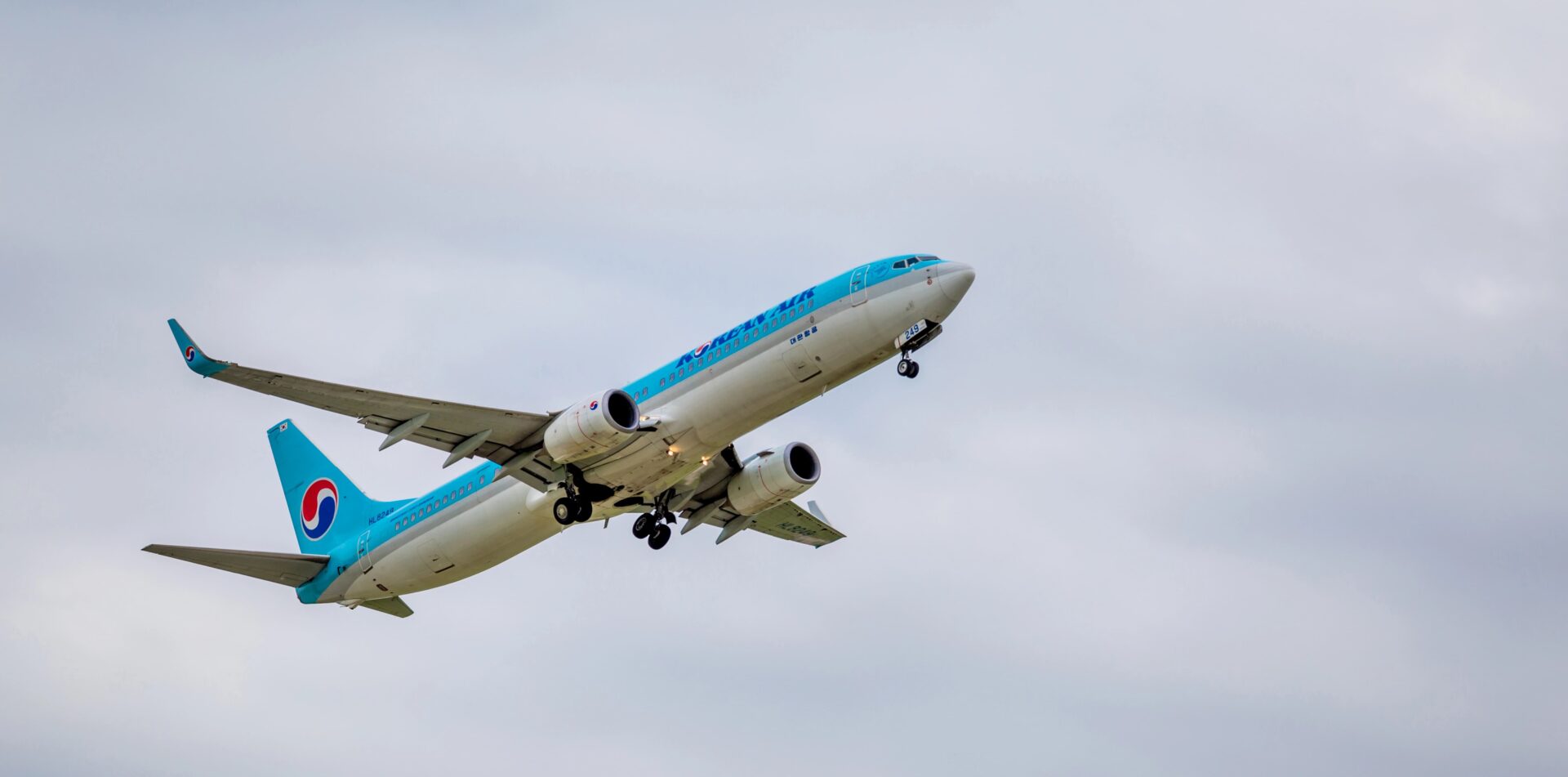
KTX-Eum has made Andong substantially easier to reach from Seoul.
Korea Tourism Organization’s updated 2026 Andong guide lists direct KTX-Eum services from Seoul Station, Cheongnyangni Station and Sangbong Station to Andong Station, with the trip taking approximately 1 hour 50 minutes on suitable services.
This makes a day trip possible, but Andong’s attractions are widely dispersed once you arrive.
For most heritage-focused travelers, one overnight stay adds much more value than simply taking the first train in and last train out.
Check KORAIL for the exact current service because not every train uses the same Seoul departure station or stopping pattern.
ㅤ
Andong Station Is Not Beside Hahoe Village
Andong Station is the city’s main rail gateway, but the major heritage attractions are not concentrated around the station.
Hahoe Village, Byeongsanseowon, Dosanseowon and Bongjeongsa all require separate bus, taxi or tourist-taxi transfers.
Current 2026 tourism guidance lists buses including Express 2, 210 and local Pungcheon services for Hahoe, bus 210 for Byeongsanseowon, Express 3 and 512 for Dosanseowon, and Express 2 or 310 for Bongjeongsa.
For travelers with only one or two days, transport planning has a much bigger effect on the quality of an Andong trip than it does in compact cities such as Gyeongju.
ㅤ
Tourist Taxi or Public Bus?
Public buses can reach the main attractions, and Andong is possible without a rental car. The trade-off is waiting time and the need to design the day around bus schedules.
Andong’s tourist taxi is useful when you want to combine heritage sites in different directions.
Korea Tourism Organization’s 2026 guide currently lists a five-hour tourist-taxi fare of KRW 125,000 for a four-seat car within the stated service conditions. A 2026 subsidy discount is also available, although the program can end early when funding is exhausted.
For one traveler, buses are usually more economical. For two to four travelers with limited time, the tourist taxi can dramatically improve a Hahoe–Byeongsanseowon or Dosan-area itinerary.
ㅤ
Where to Stay in Andong
Stay in central Andong if restaurants, the Old Market, festival venues and easy access to the rail and bus network are your priorities.
Stay in or near Hahoe Village if a hanok experience, quiet evenings and early-morning village atmosphere are central to your trip.
Stay around Andong Dam or Woryeonggyo if you prefer a quieter riverside environment while remaining relatively close to the city.
For a first one-night visit without a car, central Andong is usually the easiest base. For a culture-focused second visit, a hanok stay near Hahoe can be more memorable.
ㅤ
Best Time to Visit Andong
Spring and autumn provide the easiest conditions for Andong because many of the major attractions involve outdoor walking and traditional architecture.
Spring brings comfortable weather to Hahoe, Byeongsanseowon and Bongjeongsa. Selected Hahoe Seonyu Julbul Nori performances also take place in May.
Autumn is the strongest festival season. The 2026 Andong Maskdance Festival runs from September 24 through October 4, while additional Hahoe fire-play dates continue through October.
Autumn foliage also makes Dosanseowon, Bongjeongsa and the rural roads especially attractive.
Summer can be hot and humid, and heritage villages provide less shade than modern urban attractions. Start early and use museums or meals during the hottest hours.
Winter is quieter and atmospheric, but shorter opening hours apply at several heritage sites.
ㅤ
A Practical One-Day Andong Route
Morning: Take an early KTX-Eum to Andong and move directly toward Hahoe Village.
Late morning: Explore Hahoe Village, traditional houses and the Hahoe Mask Museum.
Early afternoon: Time your visit around the 14:00 Hahoe mask dance if it is operating that day.
Mid-afternoon: Add Buyongdae or Byeongsanseowon. If you rely on public buses, choose the option that best fits the current return schedule rather than trying to force both.
Evening: Return to central Andong.
Dinner: Eat Andong jjimdak in the Old Market.
After dinner: Walk across Woryeonggyo Bridge.
This route intentionally excludes Dosanseowon and Bongjeongsa.
ㅤ
A Practical One-Night, Two-Day Route
Day 1: Hahoe Village → Hahoe mask dance → Buyongdae or Byeongsanseowon → Andong Old Market → Woryeonggyo Bridge.
Stay in central Andong or near Hahoe.
Day 2 — Confucian Route: Dosanseowon → nearby Dosan-area cultural attractions → return to central Andong.
Day 2 — Buddhist Route: Bongjeongsa → slower mountain and temple visit → central Andong or onward travel.
Day 2 — Food and City Route: Andong Soju & Traditional Food Museum → Old Market → downtown heritage and cafés.
During the September 24–October 4, 2026 festival period, replace part of the second day or evening with Andong Maskdance Festival programming.
ㅤ
Common Mistakes to Avoid
Do not assume Andong’s UNESCO sites sit close together simply because they are in the same city.
Do not arrive at Hahoe late in the afternoon if you want to see the regular 14:00 mask dance.
Do not assume the seasonal river crossing to Buyongdae always operates. Check the current access route.
Do not combine Hahoe, Dosanseowon and Bongjeongsa in one day unless you have a car and deliberately want an extremely compressed schedule.
Do not order a full Andong jjimdak portion alone without checking the serving size.
Do not visit Dosanseowon after its winter last-admission time. Hours shorten from November through January.
If you visit during the 2026 Maskdance Festival, reserve accommodation earlier and expect old downtown traffic and event-related changes.
ㅤ
FAQ
Is Andong worth visiting on a first trip to Korea?
Yes, especially if you want traditional architecture, Confucian heritage, folk performance and regional food. It is one of the strongest cultural destinations outside Korea’s largest cities.
Can Andong be a day trip from Seoul?
Yes. KTX-Eum can reach Andong in about 1 hour 50 minutes on suitable services. However, the attractions are spread out, so one overnight stay is better for most first-time visitors.
What should a first-time visitor prioritize?
Hahoe Village is the essential first stop. Add the regular mask dance, Byeongsanseowon or Buyongdae, then finish with jjimdak and Woryeonggyo Bridge.
Is Hahoe Village a UNESCO World Heritage Site?
Yes. Hahoe and Gyeongju’s Yangdong Village form the UNESCO World Heritage property 'Historic Villages of Korea: Hahoe and Yangdong,' inscribed in 2010.
When is the 2026 Andong Maskdance Festival?
The festival runs from September 24 through October 4, 2026, with programming around Central Line 1942 Andong Station, Mask Dance Park, old downtown and other venues.
Can you see Hahoe mask dance outside the festival?
Yes. Current 2026 tourism guidance lists a free Hahoe Byeolsingut Tallori performance at 14:00 from Tuesday through Sunday, normally closed on Monday.
Do you need a car in Andong?
No, but a car or tourist taxi is unusually useful because Hahoe, Dosanseowon and Bongjeongsa lie in different directions. Public buses are practical when the itinerary is limited to one heritage zone per day.
Where should you stay for one night?
Central Andong is the easiest first-time base for restaurants and transportation. A hanok stay near Hahoe is better if the traditional-village atmosphere itself is one of the main reasons for the trip.
ㅤ
Source References
UNESCO – Historic Villages of Korea: Hahoe and Yangdong: https://whc.unesco.org/en/list/1324
VISITKOREA – Andong Travel Guide 2026: https://english.visitkorea.or.kr/svc/contents/contentsView.do?
vcontsId=1590438
VISITKOREA – Andong Hahoe Village: https://english.visitkorea.or.kr/svc/contents/contentsView.do?
menuSn=351&vcontsId=111087
Andong City – Dosanseowon Hours and Fees: https://www.andong.go.kr/dosanseowon/contents.do?
mId=0502000000
VISITKOREA – Woryeonggyo Bridge: https://english.visitkorea.or.kr/svc/whereToGo/locIntrdn/rgnContentsView.do?
vcontsId=80957
VISITKOREA – Andong Market Jjimdak Alley: https://english.visitkorea.or.kr/svc/contents/contentsView.do?
vcontsId=14987
2026 Andong Maskdance Festival: https://en.maskdance.com/