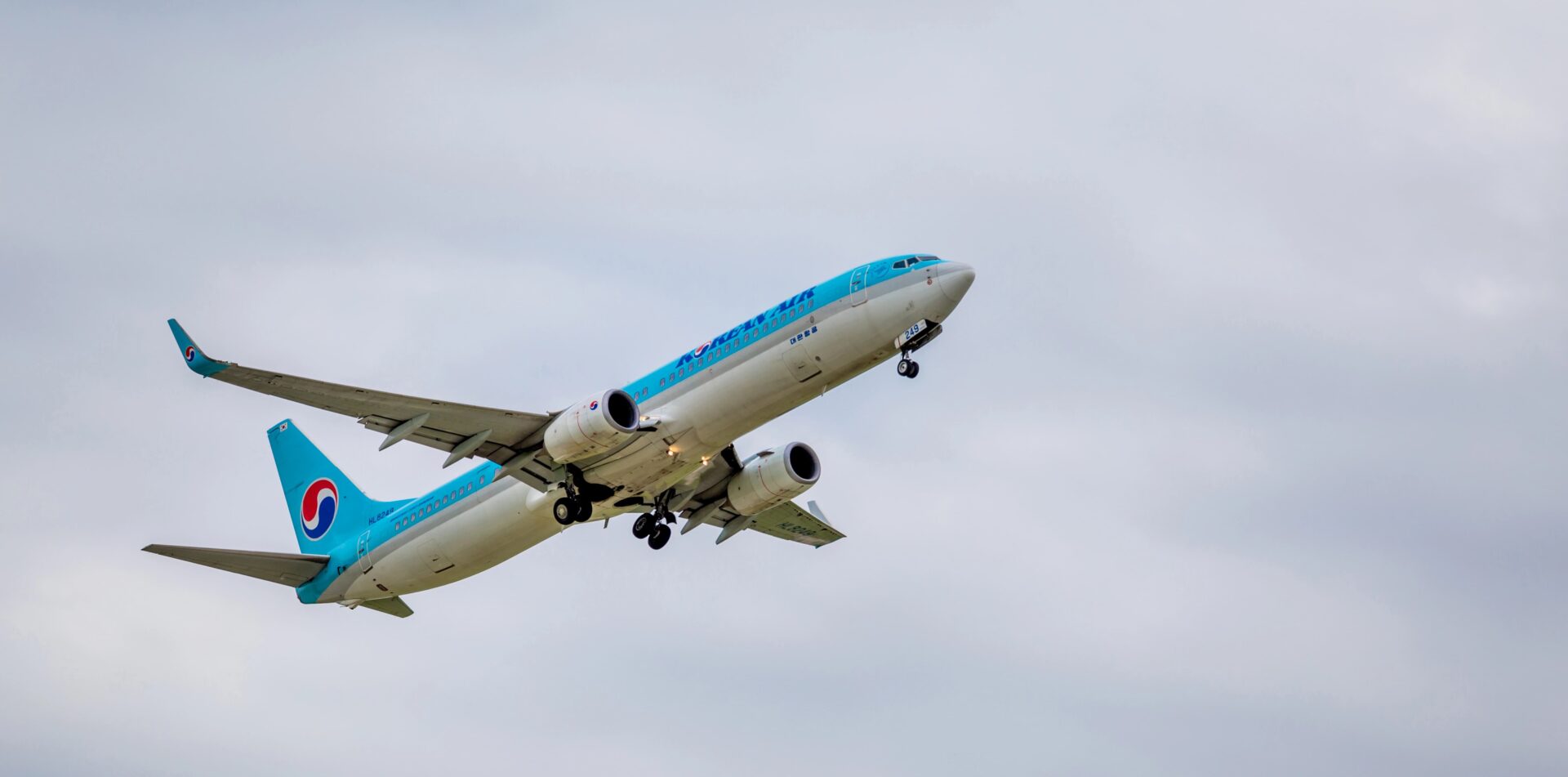

Incheon is much more than the location of South Korea’s main international airport. This guide helps first-time visitors understand the city’s main travel zones, from the historic Open Port and Chinatown to Wolmido and futuristic Songdo, and explains how to plan a one- or two-day visit without wasting time crossing the city.
Incheon is often the first place international travelers see in South Korea, but many visitors leave the airport and go directly to Seoul without exploring the city itself. That misses an unusual destination where Korea’s modern port history, Chinese-Korean culture, waterfront entertainment and one of the country’s most futuristic business districts exist within the same metropolitan city.
For first-time visitors, the key is to understand that Incheon is geographically large. Chinatown, the Open Port district and Wolmido form one western sightseeing cluster, while Songdo is a separate modern district farther south. Incheon International Airport is on Yeongjong Island and should be treated as another travel zone rather than as the city center.
ㅤ
Why Visit Incheon?
Incheon offers a side of Korea that is difficult to reproduce elsewhere. The city developed around an international port that opened in 1883, and the neighborhoods near present-day Incheon Station still preserve traces of the period when foreign settlements, banks, trading companies and Chinese merchants shaped the area.
At the same time, Songdo International Business District presents almost the opposite image: wide streets, high-rise towers, convention facilities and a large seawater park built on reclaimed land. A visit to both districts makes Incheon particularly interesting because the contrast between Korea’s modern history and its planned urban future is visible within one city.
ㅤ
How Many Days Do You Need in Incheon?
One day is enough for a focused introduction. The best first-day route is usually Incheon Station, Chinatown, the Open Port area, Jayu Park, Sinpo International Market and Wolmido. These places are close enough to combine without repeatedly crossing the city.
Two days is better if you also want to see Songdo. Use the first day for the historic port district and Wolmido, then spend the second day around Songdo Central Park, the surrounding architecture, shopping and waterfront areas.
Three days or more makes sense if you want to add Ganghwa Island, Yeongjong Island, coastal areas, museums or a slower stay before or after an international flight.
ㅤ
Understand Incheon by Area
The easiest way to plan the city is to divide it into four practical travel zones.
The Chinatown and Open Port zone begins around Incheon Station. This is the strongest area for history, food and walking. Chinatown, Jayu Park, the Open Port streets, several small museums and Sinpo International Market can be connected in one continuous route.
Wolmido lies just beyond the old port district. It is more leisure-oriented, with a waterfront promenade, amusement rides, sunset views, Wolmi Park and the Incheon National Maritime Museum. It works well as the final part of a day that begins around Chinatown.
Songdo is a modern business and residential district centered around Songdo Central Park, Songdo Convensia, high-rise architecture, shopping and newer cultural facilities. It is not next door to Chinatown, so treat it as a separate half-day or full-day block.
Yeongjong Island contains Incheon International Airport as well as beaches, resorts and other attractions. Travelers on a short airport layover should plan specifically around Yeongjong or carefully calculate transfer time before attempting central Incheon or Songdo.
ㅤ
Incheon Chinatown and the Open Port District
Incheon Chinatown formed after the opening of Incheon Port in 1883 and the establishment of a Qing extraterritorial settlement the following year. Today the district is known for Chinese-Korean restaurants, red gates, hillside streets and the history of Korea’s Chinese community.
The district is immediately accessible from Incheon Station, which makes it one of the easiest parts of the city to explore without a car. Instead of treating Chinatown only as a place to eat, combine it with the surrounding Open Port streets to understand why this neighborhood became important.
The Incheon Open Port Museum occupies the former Bank of Japan building and introduces the goods, institutions and technologies that entered Korea through the port-opening era. Nearby streets also contain historic architecture and small cultural spaces that reward slow walking rather than a rushed photo stop.
ㅤ
Jayu Park and the Hills Above the Port
Jayu Park sits above Chinatown and the old port district. It was created only a few years after the port opened and is recognized as Korea’s first Western-style park. The elevated location gives the area a different perspective, with views toward the port and the older neighborhoods below.
The climb is not long but includes slopes and stairs depending on the route. If mobility is a concern, use a taxi to reach a higher entrance and walk downhill through the Open Port district instead.
ㅤ
Sinpo International Market
Sinpo International Market is a useful food stop between the Open Port area and the rest of central Incheon. It is especially associated with dakgangjeong, sweet and spicy glazed fried chicken, as well as snacks and dishes linked to Incheon’s long history as a port city.
The market is best used as part of the route rather than as a standalone destination. A practical sequence is Chinatown and Jayu Park first, Open Port streets next, then Sinpo for lunch or an afternoon snack before moving toward Wolmido.
ㅤ
Wolmido: Waterfront, Sunset and Maritime Incheon
Wolmido gives the day a completely different atmosphere. The waterfront is known for amusement rides, seafood restaurants, cafes and sunset views across the West Sea. Wolmi Park and Wolmi Observatory offer a quieter alternative to the entertainment strip.
A major newer attraction is the Incheon National Maritime Museum, which opened in December 2024. The museum focuses on maritime culture and port development and is a strong addition for travelers who want more context about why Incheon grew around the sea.
Wolmido is particularly effective in the late afternoon and evening. If your schedule is limited, visit the historic district during the day and save Wolmido for sunset rather than starting there in the morning.
ㅤ
Songdo Central Park and Modern Incheon
Songdo feels almost like a different city. Built on reclaimed land, the district is defined by contemporary towers, wide boulevards, large-scale development and the waterfront landscape of Songdo Central Park.
Songdo Central Park is open around the clock and is the easiest place to begin. Walking paths circle the water, and seasonal boat activities operate from the boathouse. The surrounding area includes Songdo Convensia, Tri-Bowl, hotels, restaurants and shopping facilities.
Songdo is especially attractive around sunset and after dark, when the skyline and park lighting become part of the experience. Travelers interested in architecture, urban development, conferences or a quieter modern waterfront stay may prefer Songdo to the older city center.
ㅤ
Incheon Airport Is Not the Same as Incheon City Center
One of the most common planning mistakes is assuming that an Incheon hotel or attraction is automatically close to Incheon International Airport. The airport is on Yeongjong Island, while Chinatown is around Incheon Station and Songdo is in Yeonsu-gu.
Songdo has relatively direct airport access. Current Songdo Convensia guidance lists airport buses, a rail route via Gyeyang Station and taxis, with taxis taking roughly 30 minutes under normal conditions. Actual travel time varies with terminal, traffic and destination, so always check the route on the day of travel.
If you have an early flight, staying near the airport may be more practical than staying in Chinatown or central Songdo. If your flight is later in the day, however, an Incheon stop can be an efficient way to add sightseeing without returning deep into Seoul.
ㅤ
How to Get to Incheon from Seoul
For Chinatown and the Open Port area, the simplest rail destination is Incheon Station. The station is served by Seoul Subway Line 1 and the Suin-Bundang Line, and Chinatown begins just outside the station.
For Songdo, use the metropolitan subway network and transfer to Incheon Subway Line 1. Central Park Station, International Business District Station and Incheon National University Station serve different parts of the district.
Because the trip across the Seoul metropolitan area can take substantial time, choose one Incheon zone before leaving Seoul. Trying to visit both Chinatown and Songdo on a short half-day trip usually creates more transportation than sightseeing.
ㅤ
Getting Around Incheon
Walking is best in the Chinatown and Open Port cluster. Once you arrive at Incheon Station, many major sights can be connected on foot, although the hills around Jayu Park require some effort.
Buses and taxis are useful for moving between the historic district and Wolmido. For longer cross-city transfers, such as Chinatown to Songdo, subway or taxi travel is more practical than trying to walk or link many local buses.
Use NAVER Map or KakaoMap for current routes. In a city this spread out, checking the exact destination matters more than simply searching for “Incheon,” especially when a hotel or attraction could be near the airport, old port, Songdo or another district.
ㅤ
Where to Stay in Incheon
Stay near Chinatown or the old port area if your priority is historic sightseeing, markets and a more traditional urban atmosphere. This location also makes the first day easy because several attractions are concentrated around Incheon Station.
Stay in Songdo if you prefer modern hotels, cleaner planned streets, business facilities, Central Park and easy access to Songdo Convensia. It is also a practical base for some travelers with meetings or events in the district.
Stay near Incheon International Airport if your priority is a flight connection, very early departure or late arrival. Airport-area accommodation should be chosen for aviation convenience, not because it is central to the city’s main sightseeing areas.
ㅤ
What to Eat in Incheon
Jjajangmyeon is the most famous food associated with Incheon Chinatown. The district played an important role in the Korean development of the dish, and several long-running Chinese-Korean restaurants continue to serve different styles of black-bean noodles.
Sinpo Market is strongly associated with dakgangjeong and other street foods. Incheon is also connected with jjolmyeon, seafood and port-city dishes. If food is a major reason for your visit, plan meals by neighborhood instead of traveling across the city for one famous restaurant.
ㅤ
A Practical One-Day Incheon Route
Morning: Arrive at Incheon Station and begin with Chinatown. Walk through the main streets, then continue uphill toward Jayu Park and the Open Port district.
Midday: Visit one or two small museums or historic buildings, then continue toward Sinpo International Market for lunch or snacks.
Afternoon and evening: Move to Wolmido. Walk along the waterfront, visit Wolmi Park or the maritime museum if time allows, and stay for sunset before returning to Seoul or your hotel.
ㅤ
A Practical Two-Day Incheon Route
Day 1: Chinatown, Jayu Park, the Open Port district, Sinpo International Market and Wolmido.
Day 2: Songdo Central Park, nearby modern architecture and cultural facilities, lunch in Songdo, shopping or cafes in the afternoon, and a final walk around Central Park after sunset.
If you are flying through Incheon International Airport, Day 2 can also be shortened and used as the final part of your Korea trip, provided you leave a generous buffer for airport transfer, check-in and security.
ㅤ
Best Time to Visit Incheon
Spring and autumn are the easiest seasons for a walking-heavy itinerary. The old port district has hills, Wolmido is exposed to sea winds, and Songdo Central Park is largely outdoors, so comfortable temperatures make a noticeable difference.
Summer can be hot and humid, but evening waterfront walks are pleasant. Winter is colder and windier near the coast, though indoor museums, markets and cafes make the city workable year-round.
For Wolmido and Songdo, sunset time matters more than season. If you want the strongest waterfront atmosphere, arrange the route so that you are not underground on a long subway transfer during the best evening light.
ㅤ
Common Mistakes to Avoid
Do not treat Incheon as one compact downtown. Chinatown, Songdo and the airport are different travel zones, and moving between them can consume a large part of the day.
Do not visit Chinatown only for one bowl of noodles. The surrounding Open Port district is what makes the neighborhood historically distinctive.
Do not assume a short airport layover is enough for central Incheon. Immigration, baggage, terminal transfers and security can make the usable sightseeing window much smaller than the scheduled layover.
Finally, check current museum closing days, attraction hours, airport transport and boat operations before leaving. Some facilities close on Mondays, and waterfront activities can change with season or weather.
ㅤ
FAQ
ㅤ
Is Incheon worth visiting if I am already visiting Seoul?
Yes, especially if you are interested in Korea’s modern port history, Chinese-Korean culture, waterfront areas or Songdo’s contemporary urban landscape. It works well as a day trip from Seoul.
ㅤ
Can I visit Incheon Chinatown on a day trip from Seoul?
Yes. Chinatown is directly beside Incheon Station, making it one of the easiest Incheon destinations to reach by metropolitan rail.
ㅤ
Should I visit Chinatown or Songdo first?
For a first visit, prioritize Chinatown and the Open Port area because they are more distinctive to Incheon. Add Songdo if you have a second day or a strong interest in modern architecture and urban development.
ㅤ
Can I visit Incheon during an airport layover?
Possibly, but the answer depends on the length of the layover, terminal, immigration status, luggage and traffic. Songdo is generally more convenient from the airport than the old port district, but you still need a large time buffer.
ㅤ
Where should I stay for one night in Incheon?
Choose Chinatown or the old port area for sightseeing, Songdo for modern hotels and Central Park, and the airport area for flight convenience. The best location depends on what you need the following morning.