
Changwon is a large southern city formed by the 2010 integration of the former cities of Changwon, Masan and Jinhae, and each district still has a distinct travel personality. Jinhae is the headline spring destination, famous for Yeojwacheon, Gyeonghwa Station and the Jinhae Gunhangje, which ran from March 27 to April 5 in 2026. Masan is stronger for food, art and modern civic history, with Masan Fish Market, the agwijjim district, Changdong Art Village, Moon Shin Art Museum and the Korea Democracy Hall. North of the urban core, Junam Reservoir is one of Korea's major migratory-bird landscapes, especially in late autumn and winter. This guide explains how to divide Changwon into practical Jinhae, Masan and central/northern routes, what is open outside cherry blossom season and how to use direct KTX service from Seoul.
Changwon is a city that makes more sense when you think of it as three destinations sharing one municipal name. The modern planned city of Changwon, the port and old downtown of Masan, and the naval city of Jinhae were separate municipalities until they merged on July 1, 2010.
That history still shapes the travel experience. Jinhae is defined by naval heritage, hills, bays and the cherry blossom season. Masan has older commercial streets, fish markets, art, democracy history and a strong food identity. The central Changwon districts are more modern, while the northern countryside around Dong-eup opens into the wetland landscape of Junam Reservoir.
A first-time visitor should not try to cover every district in one rushed day. Choose Jinhae for spring or maritime scenery, Masan for food and culture, or the central/northern side for museums, parks and birdwatching. Two days are much better if you want to understand why the city feels so different from one district to another.
ㅤ
Why Visit Changwon?
Changwon has one of Korea's strongest seasonal transformations. For most of the year Jinhae is a quiet coastal district, but during cherry blossom season its streams, old railway corridor, hills and central streets become one of the country's largest spring travel destinations.
Outside spring, the city remains worthwhile. Masan offers a dense combination of seafood, agwijjim, art alleys and modern history. Junam Reservoir provides a completely different winter experience with migratory birds and open wetland scenery, while Jinhae Marine Park gives families a high observation tower and coastal views.
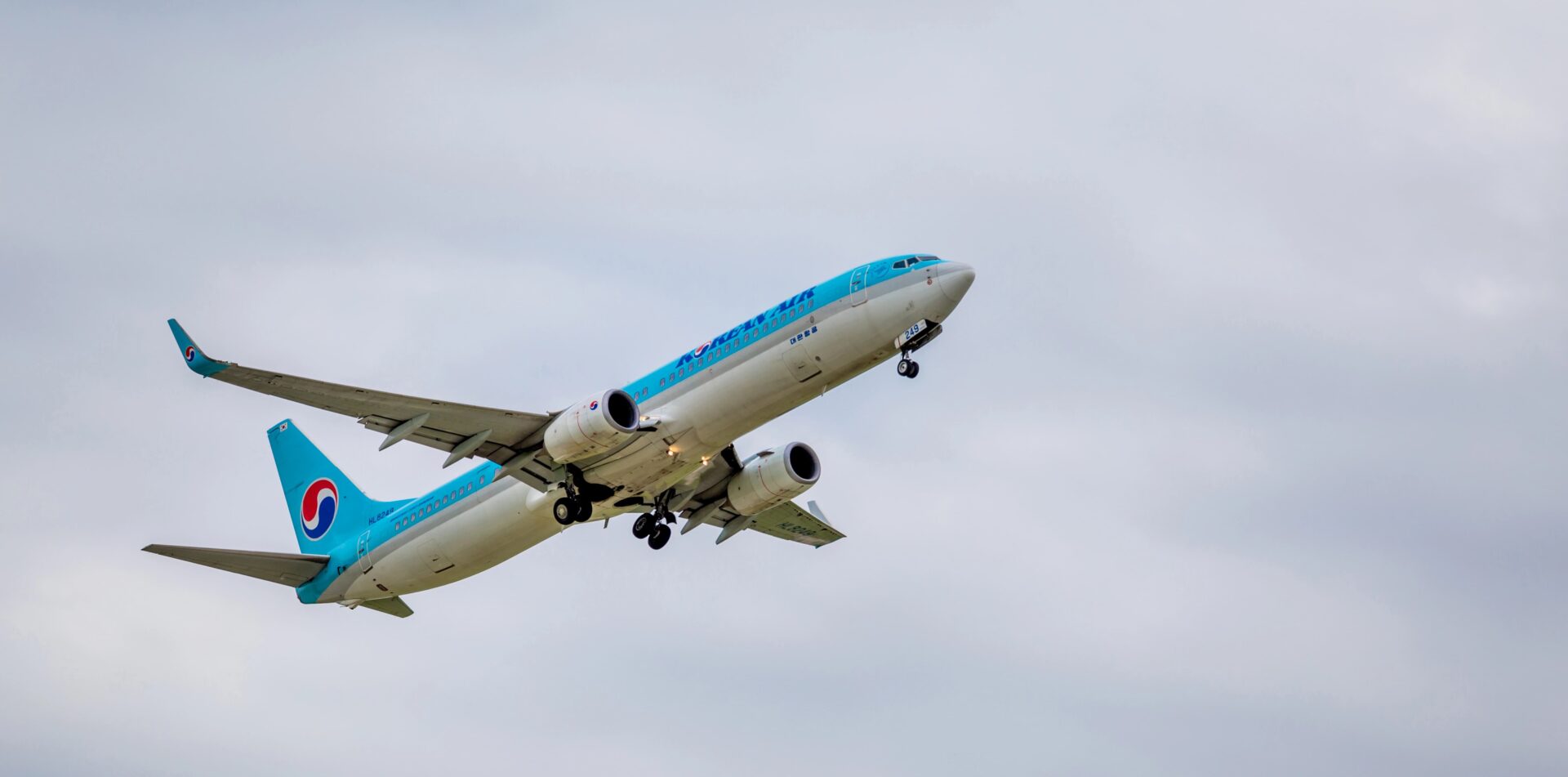
Changwon is also easier to reach than many visitors expect. Direct KTX trains link Seoul with Changwon Jungang and Changwon stations, so the city can work as a one-night stop between the capital and the southeastern coast.
ㅤ
Understand the Changwon-Masan-Jinhae City Structure
The present city officially began on July 1, 2010, when the former cities of Changwon, Masan and Jinhae were integrated into one municipality.
For travel planning, the old identities are still extremely useful. Jinhae-gu is the cherry blossom and naval/coastal zone. Masanhappo-gu and Masanhoewon-gu form the Masan side, where the fish market, old downtown and democracy heritage are concentrated. Uichang-gu and Seongsan-gu contain the modern urban center, convention facilities, parks and access north toward Junam Reservoir.
Distances between these zones are not trivial. A taxi ride from central Changwon to Jinhae or Masan can be convenient, but repeatedly crossing the city wastes time. Plan each half day by district.
ㅤ
Start with Jinhae
Jinhae is the most internationally recognizable part of Changwon. Its hills descend toward a protected bay, and the old city center developed with naval infrastructure, circular streets and compact neighborhoods below Jehwangsan.
During spring the district becomes synonymous with cherry blossoms, but Jinhae also has year-round reasons to visit: Jehwangsan Park, Jinhae Tower, the old station area, coastal walks and the marine park around Eumjido.
If your trip is not in late March or early April, do not dismiss Jinhae. The crowds disappear, making it much easier to understand the district's topography and maritime character.
ㅤ
Walk Yeojwacheon Romance Bridge
Yeojwacheon is Jinhae's most famous cherry blossom corridor. Trees line both sides of the stream for roughly 1.5 kilometers and arch above the water, creating the tunnel-like scene associated with the Gunhangje festival.
The best-known section is called Romance Bridge after the area appeared in the 2002 Korean drama Romance. Decorative lighting means the stream also works well after sunset during blossom season.
Outside spring, Yeojwacheon becomes a quiet neighborhood stream. The route remains walkable, but the reason for its national fame is specifically the short blossom period.
ㅤ
Visit Yeojwacheon Early during Cherry Blossom Season
During the Gunhangje, Yeojwacheon can become extremely crowded from late morning through evening. The most comfortable strategy is to arrive shortly after sunrise or early in the morning, walk the stream first and then move to Gyeonghwa Station before tour-bus traffic peaks.
Evening is the alternative if you want illumination rather than empty paths. Expect slower walking, queues at food stalls and temporary traffic controls.
Do not assume the festival dates guarantee peak bloom. Flower timing still depends on weather, so check current blossom conditions close to the trip.
ㅤ
Visit Gyeonghwa Station Park
Gyeonghwa Station is a former passenger station that became one of Jinhae's most photographed cherry blossom locations. Passenger service stopped in 2006, so today the old railway corridor functions as a park and photo destination rather than an operating rail stop.
Changwon tourism highlights approximately 800 meters of cherry-blossom-lined railway from the former station toward the Sehwa Girls' High School side. The long straight track creates a different composition from the enclosed stream at Yeojwacheon.
Because trains no longer use the old passenger platform for regular service, visitors can walk the preserved railway area where access is permitted. Follow barriers and temporary festival controls.
ㅤ
Know the 2026 Jinhae Gunhangje Status
The 64th Jinhae Gunhangje ran from March 27 through April 5, 2026 across Jinhae-gu. The ten-day festival used major sites including Yeojwacheon, Gyeonghwa Station, Jungwon Rotary and the public stadium area.
Programs included military-band and honor-guard content, music, food, cultural events and the wider citywide cherry blossom experience. Changwon also changed multiple bus routes temporarily to manage festival congestion.
The 2026 edition has already ended. Travelers visiting later in 2026 should treat Jinhae as a year-round coastal district rather than expecting festival programming.
ㅤ
Use the Festival Tour Bus Only during the Festival
Changwon operated a special double-decker cherry blossom tour bus from March 27 through April 5, 2026 to help visitors move through Jinhae during the festival.
That was a festival-period transport measure, not a permanent everyday sightseeing bus. Do not expect the same service outside the announced Gunhangje dates.
For a normal-season visit, use Changwon city buses, taxis or a rental car depending on how many Jinhae sites you plan to combine.
ㅤ
Climb Jehwangsan Park
Jehwangsan is a low hill of about 90 meters immediately above central Jinhae. Its summit provides one of the easiest elevated views over the old city and bay.
The landmark at the top is Jinhae Tower, a nine-story structure built in 1967 on the former site of an earlier monument. The lower levels include local-history exhibits connected with the city museum.
You can walk up or use the monorail, making this a useful late-afternoon stop after Yeojwacheon and central Jinhae.
ㅤ
Use the Jehwangsan Monorail
The Jehwangsan monorail normally begins operating at 09:00 and runs at approximately 20-minute intervals. The short ride takes about four minutes to reach the upper station.
Closing times and fares can change by season or maintenance schedule, so check the current Changwon tourism notice before depending on the final departure.
If the monorail is not operating, the hill is still low enough for many visitors to climb on foot, although stairs and slopes make the walk more demanding than the elevation suggests.
ㅤ
Visit Jinhae Tower
Jinhae Tower provides a useful visual lesson in the layout of the old naval city. From above, the bay, hills, circular street pattern and dense low-rise center become much easier to understand.
The viewpoint is especially useful outside cherry blossom season because it gives Jinhae a reason to visit even when the famous flower streets are green rather than pink.
Late afternoon is generally the most attractive time for softer light over the bay.
ㅤ
Visit Jinhae Marine Park and Changwon Solar Tower
Jinhae Marine Park on Eumjido is one of the best family and coastal destinations in Changwon. Its main landmark is Changwon Solar Tower, a 136-meter structure designed around a solar-energy concept.
The observation levels are around 120 meters above ground and overlook the sea, port infrastructure, islands and the wider Jinhae Bay landscape.
This is particularly useful on a clear day when you want a high coastal panorama without a mountain hike.
ㅤ
Current Changwon Solar Tower Hours and Admission
Current hours are 09:00-18:00, with ticketing ending at 17:00. The tower closes on Mondays; when Monday is a public holiday, the following day is normally the substitute closure. Outdoor marine-park facilities remain accessible separately.
Current individual admission is 3,500 won for adults, 2,500 won for students and military visitors and 1,500 won for children. Changwon residents have discounted rates.
The tower includes energy exhibits as well as the observation level, so allow at least one hour rather than visiting only for an elevator ride.
ㅤ
Spend Time on the Jinhae Coast
Jinhae's value outside spring is strongest when you include the sea. Coastal roads, small harbor areas and viewpoints make the district feel different from central Changwon and inland Gyeongnam cities.
The marine park works well with a seafood meal or an evening waterfront walk. Families can spend more time in the park, while couples or photographers may prefer the tower near sunset.
Wind can make exposed coastal viewpoints noticeably colder than downtown even when temperatures seem mild.
ㅤ
Move to Masan for Food and Old-Downtown Culture
Masan is the best part of Changwon for travelers who prioritize food, older commercial streets, art and modern civic history.
The key cluster is compact: Masan Fish Market, the agwijjim and eel restaurant streets, Changdong Art Village, the Moon Shin Art Museum and several democracy-related sites can be linked with short taxi rides and walking.
Unlike Jinhae, Masan is not built around one seasonal visual event. It works throughout the year and becomes especially useful when rain or summer heat makes outdoor sightseeing less comfortable.
ㅤ
Visit Masan Fish Market
Masan Fish Market remains the most obvious place to experience the city's long relationship with the sea. Seafood restaurants and stalls occupy the Dongseong-dong and Namseong-dong market area, with fresh fish, shellfish and seasonal catch sold throughout the district.
The market is not a single tourist hall. It is a working commercial area, so the atmosphere changes by time of day and individual shop schedules vary.
If you want sashimi, ask the price and portion before ordering. Seasonal fish such as spring flounder or autumn gizzard shad can be more meaningful than insisting on the same species year-round.
ㅤ
Eat Masan Agwijjim
Masan-style agwijjim, spicy braised monkfish, is one of the district's best-known foods. Restaurants serving the dish cluster around the Odong-dong area near the old downtown and fish market.
The modern Masan style developed in the twentieth century and became nationally famous for its combination of monkfish, soybean sprouts and a strong spicy seasoning.
Portions are often designed for sharing. If you are traveling alone, ask whether a smaller serving or another monkfish dish is available.
ㅤ
Try Other Masan Seafood Traditions
Masan also has restaurant streets associated with grilled eel and blowfish soup. The official tourism site presents these alongside the fish market and agwijjim as distinct local food zones.
Grilled eel is particularly popular in warm weather, while bokguk – clear blowfish soup – has a long local history tied to the former abundance and distribution of pufferfish through Masan's market.
Choose one specialty meal rather than trying to eat every local dish in a single day.
ㅤ
Walk Changdong Art Village
Changdong Art Village was created as an urban-regeneration project to revive Masan's declining old commercial center through art and small creative businesses.
The area is organized around several themed alleys, including the Moon Shin Art Alley and Ecole de Changdong area. Murals, studios, galleries, small shops and cafes are mixed into ordinary streets rather than separated inside a gated complex.
The outdoor alleys are best treated as a neighborhood walk. Indoor galleries and studios have their own opening days, so do not expect every door to be open at the same time.
ㅤ
Visit Changdong Art Center
Changdong Art Center gives the district a more formal exhibition space and frequently hosts regional artists and small programs.
Because exhibitions and workshop schedules change, check the current program rather than visiting for a specific show mentioned in an old article.
Combine the center with lunch or coffee in the surrounding old downtown so the visit becomes part of a broader Masan walk.
ㅤ
Visit Moon Shin Art Museum
Moon Shin Art Museum sits on a hillside above Masan and is dedicated to Moon Shin, the internationally active Korean sculptor known for highly polished, symmetrical abstract forms.
The museum is meaningful not only for its collection but also because Moon Shin spent years building his museum complex after returning to his home region. Outdoor sculpture, sea views and architecture are part of the experience.
The museum's hillside location pairs naturally with Changdong Art Village and Masan Museum below.
ㅤ
Know the Current 2026 Moon Shin Museum Situation
The museum currently lists several exhibitions that overlap late August 2026. The Origin runs from February 24, 2026 through August 29, 2027. Deep Affection runs through August 31, 2026, while Moon Shin Chronology ends on August 30, 2026.
The museum has also posted notices related to temporary closure of its circular museum building and free-admission periods connected with that restriction. Because building access can change during maintenance and exhibition transitions, check the current notice immediately before your visit.
Standard visitor hours are 09:00-18:00 with last entry at 17:00, and Monday is the regular closure day.
ㅤ
Add Masan Museum
Changwon City Masan Museum stands close to Moon Shin Art Museum and gives a broader account of the region's traditional culture and local history.
It is useful if you want context for Masan beyond food and modern industry, and it makes the hillside museum area more worthwhile on a rainy day.
A practical art-and-history sequence is Masan Museum first, Moon Shin Art Museum second, then descend toward Changdong and the fish market for the evening.
ㅤ
Learn about the March 15 Democracy Movement
Masan played a major role in South Korea's modern democracy history. The March 15 uprising of 1960 protested election fraud and became an important part of the political crisis that led to the April Revolution.
The city preserves this history through memorial sites and museums across the Masan district. Travelers interested in modern Korea should add at least one democracy-related stop rather than focusing only on the market and art alleys.
This history makes Masan one of the most important regional destinations for understanding Korean democratization outside Seoul.
ㅤ
Visit the Korea Democracy Hall
The Korea Democracy Hall in Masan is a major contemporary cultural facility dedicated to the history and values of Korean democracy, with particular attention to the March 15 movement and the role of citizens.
Current tourism information lists opening Tuesday through Sunday from 10:00 to 18:00, with final admission at 17:00. It closes on Mondays, January 1 and the main Seollal and Chuseok days.
General exhibition admission is free. The hall is a strong indoor choice and gives modern historical context that complements Changwon's temples, ports and spring scenery.
ㅤ
Spend Time around Masan Bay
Masan's waterfront has changed significantly from its older industrial-port identity, and parks now make it easier to walk beside the bay.
Use the waterfront as a transition rather than a stand-alone full-day attraction. A short evening walk after the fish market or democracy hall works especially well.
Sunset and night views across Masan Bay can add a relaxed ending to a food-heavy day.
ㅤ
Visit Junam Reservoir
Junam Reservoir north of the main urban area is Changwon's strongest nature destination. The wetland complex covers about 898 hectares and is a major wintering and stopover site for migratory birds.
Changwon tourism says approximately 109 species of migratory birds visit the reservoir, with tens of thousands of birds appearing through the season. Water plants, insects and resident birds make the site interesting beyond winter as well.
The landscape is broad and open rather than dramatic. Bring binoculars and give yourself time to watch behavior instead of expecting a short photo stop.
ㅤ
Visit Junam in Late Autumn and Winter
Late autumn through winter is the strongest birdwatching period. Large flocks, raptors, geese, ducks and cranes can turn the flat reservoir landscape into one of the most active wildlife scenes in southern Korea.
Early morning is usually best for bird activity and quieter observation, while late afternoon can produce attractive backlighting over the water.
Winter wind across the open reservoir can feel much colder than the temperature in central Changwon. Wear layers, gloves and wind protection.
ㅤ
Practice Good Birdwatching Etiquette
Use observation platforms and established paths rather than approaching feeding or resting birds across fields and wetland edges.
Keep voices low, avoid sudden movement and do not fly drones where wildlife rules prohibit them. A long lens or binoculars is better than moving closer for a phone photograph.
If a bird repeatedly moves away from you, you are already too close.
ㅤ
Add Central Changwon for a Modern Contrast
The central Changwon districts feel very different from Masan and Jinhae. Broad roads, planned neighborhoods, government buildings, parks and large cultural facilities reflect the city's development as an industrial and administrative center.
Yongji Lake and the surrounding urban district are useful for an evening walk, while the Seongsan and Jungang areas have the widest range of hotels and contemporary restaurants.
Central Changwon works best as a base rather than the main reason for a first visit unless you have business, a sports event or a specific cultural program.
ㅤ
Consider a Baseball Game at Changwon NC Park
Baseball is an important part of Changwon's contemporary identity, and NC Dinos home games take place at Changwon NC Park on the Masan side.
A game can be an excellent evening activity during the KBO regular season, especially for international visitors who want to experience Korean cheering culture.
Schedules, ticket categories and postseason dates change each year, so check the official KBO and club schedule before adding a game to your itinerary.
ㅤ
What to Eat in Changwon
The city's three-part geography is reflected in its food. Masan is strongest for agwijjim, fish-market sashimi, grilled eel and blowfish dishes. Jinhae offers seafood and casual festival food in spring. Central Changwon has a broader contemporary restaurant scene.
Do not spend every meal around festival streets during Gunhangje. Prices, queues and crowd levels rise sharply. A meal slightly outside the main cherry blossom corridor can be faster and more representative of everyday local food.
If you have only one signature meal, Masan agwijjim is the most distinctive city-specific choice.
ㅤ
Best Areas to Stay in Changwon
Central Changwon around Sangnam-dong or Changwon Jungang Station is the best all-round base for transport, modern hotels and access to different districts.
Jinhae is the best choice during Gunhangje if you want early-morning access to Yeojwacheon and Gyeonghwa Station. Rooms can sell out or become expensive during peak blossom weekends, so book early.
Masan is best for travelers prioritizing food, old downtown, baseball and democracy history. Staying near the waterfront or Changwon Station side can also be convenient for rail travelers.
Junam Reservoir is better visited as a day trip unless birdwatching at dawn is your main purpose.
ㅤ
One-Day Changwon Itinerary: Jinhae Cherry Blossom Season
Morning: Arrive in Jinhae early and walk Yeojwacheon before the main crowd builds.
Late morning: Continue to Gyeonghwa Station Park and spend time along the old railway corridor.
Lunch: Eat away from the most crowded stream section if possible.
Afternoon: Climb or ride the monorail to Jehwangsan and Jinhae Tower.
Late afternoon: Move toward the waterfront or Marine Park if transport conditions allow.
Evening: Return to Yeojwacheon for illumination or stay near Jungwon Rotary for festival events.
During Gunhangje, reduce the number of attractions rather than fighting traffic across the entire city.
ㅤ
One-Day Changwon Itinerary: Jinhae outside Spring
Morning: Begin at Jehwangsan Park and Jinhae Tower for an overview of the district.
Late morning: Walk Yeojwacheon and Gyeonghwa Station without festival crowds.
Lunch: Eat seafood or a local Korean meal in central Jinhae.
Afternoon: Travel to Jinhae Marine Park and spend time at Changwon Solar Tower.
Evening: Finish beside the bay or return to central Changwon.
This route proves that Jinhae is not only a ten-day cherry blossom destination.
ㅤ
One-Day Changwon Itinerary: Masan Food, Art and Democracy
Morning: Start at the Korea Democracy Hall while your attention is fresh for the historical exhibition.
Late morning: Visit Moon Shin Art Museum and, if time permits, Masan Museum.
Lunch: Move into the old downtown and eat Masan agwijjim.
Afternoon: Walk Changdong Art Village and nearby commercial streets.
Late afternoon: Browse Masan Fish Market and the seafood streets.
Evening: Eat sashimi, grilled eel or another local specialty, then walk the waterfront.
This is the strongest year-round cultural itinerary in Changwon.
ㅤ
One-Day Changwon Itinerary: Junam Reservoir and Central City
Morning: Reach Junam Reservoir early for birdwatching or a quiet wetland walk.
Late morning: Continue around the observation areas and nearby rural landscape.
Lunch: Eat in Dong-eup or return toward central Changwon.
Afternoon: Spend time at a central cultural facility or Yongji Lake.
Evening: Have dinner around Sangnam-dong or the central business district.
This route is strongest from late autumn through winter.
ㅤ
Two-Day Changwon Itinerary
Day 1: Focus on Jinhae – Yeojwacheon, Gyeonghwa Station, Jehwangsan and Jinhae Marine Park.
Day 2: Focus on Masan – Korea Democracy Hall, Moon Shin Art Museum, Changdong Art Village, Masan Fish Market and a local specialty dinner.
In winter, replace part of Day 1 with an early Junam Reservoir birdwatching session.
During the Gunhangje, keep almost all of Day 1 in Jinhae because cross-city traffic and road controls can consume substantial time.
ㅤ
How to Get to Changwon from Seoul
Direct KTX trains connect Seoul Station with Changwon Jungang Station and Changwon Station on the Gyeongjeon Line.
On August 29, 2026, current timetable data listed 16 trains from Seoul to Changwon Jungang, with an early KTX-Sancheon taking about 2 hours 49 minutes and a standard adult fare of 52,100 won. Changwon Station had fewer direct services on the same period and an example early journey of just under three hours.
For central Changwon, Changwon Jungang is usually the most convenient high-speed rail gateway. For parts of Masan, Changwon Station or Masan Station may fit better depending on the exact itinerary.
Always check Korail for your travel date rather than relying on a fixed timetable.
ㅤ
How to Reach Jinhae
Jinhae's old tourist center does not have the same direct KTX convenience as central Changwon.
Most rail travelers continue by city bus or taxi from Changwon Jungang, Changwon or Masan depending on the route and accommodation.
During Gunhangje, normal bus routes may be changed or diverted and special shuttles can operate. Use the festival's current transport plan rather than an ordinary-season route screenshot.
ㅤ
Getting Around Changwon
Changwon city buses connect all major districts, but the city's size means transfers can take time.
Taxis are practical for short cross-district jumps and especially useful between a rail station and a hotel or museum cluster.
A rental car gives the most flexibility for Junam Reservoir and Jinhae Marine Park, but driving during Gunhangje is often slower than public transportation because of road closures, temporary parking and heavy congestion.
For a two-day trip, choose accommodation near the area you will visit first the next morning rather than assuming every district is nearby.
ㅤ
Best Time to Visit Changwon
Late March and early April are the most famous period because of Jinhae's cherry blossoms. The 2026 Gunhangje ran March 27-April 5.
May and early June are comfortable for Jinhae coastal sightseeing and Masan urban walking after the blossom crowds disappear.
Summer is hot and humid, so use museums, markets and evening waterfront walks rather than building the entire day around exposed streets.
October and November offer comfortable weather and begin the migration season at Junam Reservoir.
December through February are the strongest months for birdwatching and a quieter cultural trip in Masan.
ㅤ
Is Changwon Worth Visiting?
Yes, but the answer depends on how you plan it. Changwon is not a city where one compact historic center contains every major attraction.
Jinhae alone is worth the trip during blossom season, while Masan can fill a full day at any time of year with food, art and modern history. Junam Reservoir gives the city a strong winter nature identity that is completely different from both.
The most successful first visit treats Changwon as a collection of distinct districts and chooses one or two of them rather than trying to check off the whole municipality in a single day.
ㅤ
FAQ
ㅤ
How many days do you need in Changwon?
One day is enough for a focused Jinhae or Masan trip. Two days are better if you want both districts, and a third day is useful for Junam Reservoir or a slower coastal route.
ㅤ
When was the 2026 Jinhae Gunhangje?
The 64th Jinhae Gunhangje ran from March 27 through April 5, 2026. The 2026 festival has already ended.
ㅤ
Is Yeojwacheon worth visiting outside cherry blossom season?
Yes for a quiet neighborhood walk, but its national reputation comes from the spring blossom tunnel. Outside spring it is much calmer and visually different.
ㅤ
Does Gyeonghwa Station still have passenger trains?
No. Regular passenger service ended in 2006. The former railway area is now a park and major cherry blossom photo location.
ㅤ
What are Changwon Solar Tower hours?
Current hours are 09:00-18:00, with ticketing ending at 17:00. Monday is the regular closure day, with holiday substitution rules.
ㅤ
How much is Changwon Solar Tower?
Current individual admission is 3,500 won for adults, 2,500 won for students and military visitors and 1,500 won for children. Changwon residents receive discounted rates.
ㅤ
Is Moon Shin Art Museum free in 2026?
The museum has announced free-admission periods connected with temporary closure of the circular museum building. Because maintenance and gallery access can change, check the current museum notice before visiting.
ㅤ
What are Moon Shin Art Museum hours?
Current visitor guidance lists 09:00-18:00 with final entry at 17:00, and Monday as the regular closure day.
ㅤ
Is the Korea Democracy Hall free?
Yes. Current tourism information lists general exhibition admission as free. It normally operates Tuesday through Sunday, 10:00-18:00, with final admission at 17:00.
ㅤ
When is the best time for Junam Reservoir?
Late autumn through winter is the strongest season for migratory birds. Early morning is usually best for quieter observation.
ㅤ
Can you visit Changwon from Seoul by KTX?
Yes. Direct KTX services run from Seoul to Changwon Jungang and Changwon stations. Current 2026 trips to Changwon Jungang are commonly around three hours or slightly less depending on the train.
ㅤ
Which station is best for Changwon?
Changwon Jungang is usually best for central Changwon. Changwon or Masan stations can be more convenient for the Masan side. Jinhae requires an onward bus or taxi connection.
ㅤ
Can you visit Changwon without a car?
Yes. Jinhae and Masan are manageable with buses and taxis, and KTX reaches the city directly. A car becomes more useful for Junam Reservoir and multi-zone itineraries outside the Gunhangje period.
ㅤ
What food is Changwon famous for?
Masan agwijjim is the most distinctive signature dish. The Masan Fish Market area is also known for sashimi, grilled eel and blowfish dishes.
ㅤ
What is the best season for Changwon?
Late March and early April are best for Jinhae cherry blossoms, while late autumn and winter are best for Junam Reservoir. Masan's food, art and democracy sites work year-round.