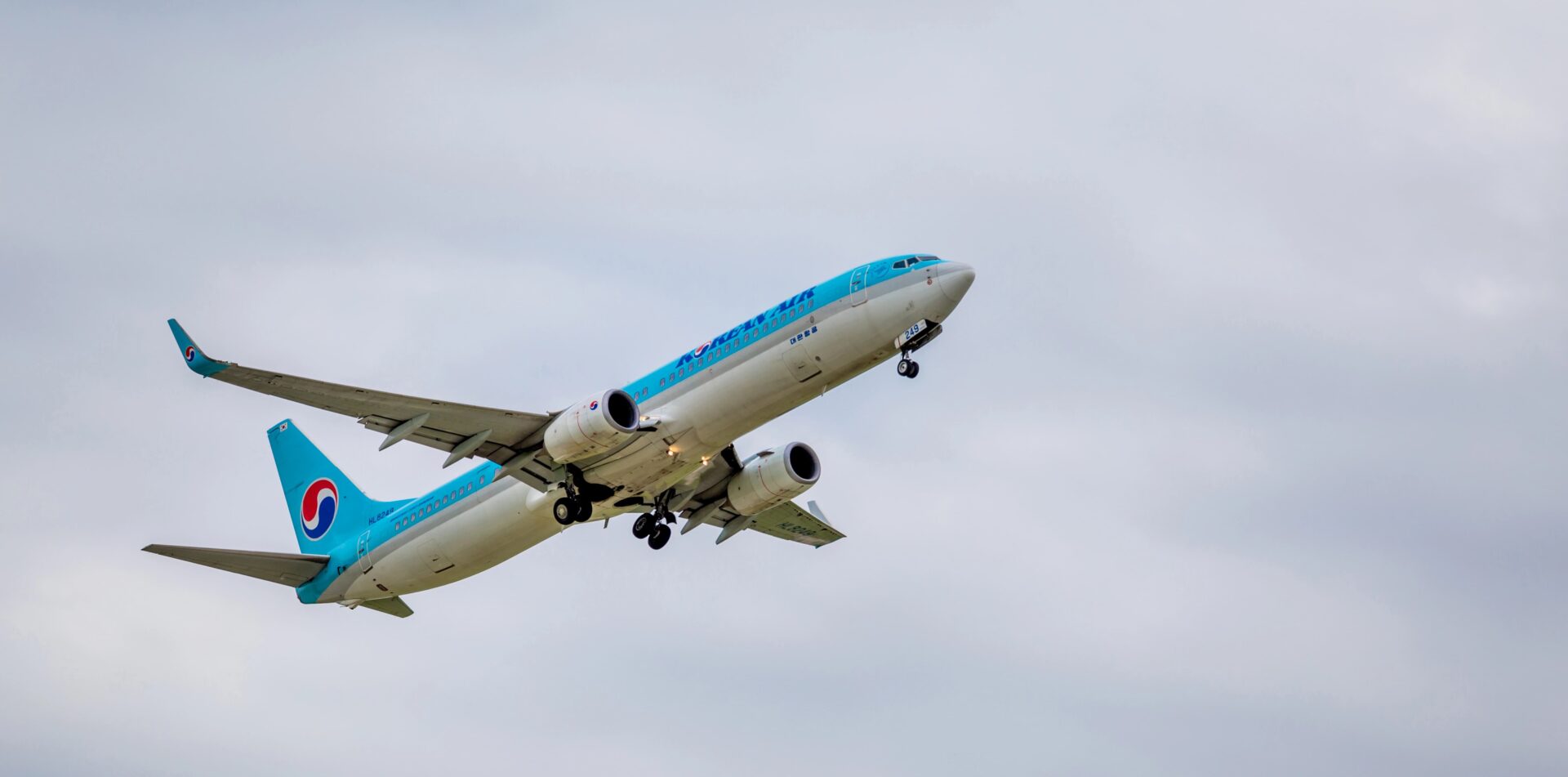

Gimpo is more than the city beside Gimpo International Airport. North of Seoul, it combines a border observatory overlooking North Korea, a UNESCO-listed Joseon royal tomb, canal-side nightlife, hanok culture, marine leisure and a working fishing port. Its attractions are spread between urban southern Gimpo and the rural border and coastal areas farther north and west, so route planning matters. This guide helps first-time international visitors organize Gimpo as a one- or two-day trip.
Gimpo sits immediately west of Seoul, between the Hangang River, the Ara Waterway, the West Coast and the inter-Korean border area. Many travelers know the name only because of Gimpo International Airport, but the airport itself is actually in Seoul, while Gimpo City stretches north from the airport toward Ganghwa and the border.
That geography gives Gimpo an unusual mix of experiences. Aegibong Peace Ecopark looks across the river toward North Korea, Jangneung preserves Joseon royal burial culture, Laveniche creates a modern canal-side evening district, and Ara Marina brings yachts and water leisure into the metropolitan area. Farther west, Daemyeong Port and Deokpojin connect seafood, military history and the approaches to Ganghwa.
Gimpo is easy to reach from Seoul using the Gimpo Goldline, but its outer attractions are spread widely. A good first trip separates central and new-town Gimpo from the northern border area and the western port area rather than trying to visit everything by subway and bus in a single day.
ㅤ
Why Visit Gimpo?
Gimpo works well as a short trip for travelers who want somewhere close to Seoul but noticeably different from central Seoul sightseeing.
The city’s strongest advantage is variety. You can begin with a UNESCO-listed royal tomb, spend the afternoon in a hanok art village, walk beside a canal after sunset, then use a second day for a border observatory or fishing port.
It is also one of the easiest places to see how Seoul’s metropolitan edge changes into agricultural plains, military border zones and coastal communities within a relatively short distance.
ㅤ
Look Toward North Korea from Aegibong Peace Ecopark
Aegibong Peace Ecopark is Gimpo’s most distinctive destination for international visitors.
The park stands on Aegibong Peak inside a civilian-controlled area near the inter-Korean border. Its Peace Ecology Exhibition Hall, ecological trail and Jogang Observatory explain the local landscape, the Korean War and the continuing division of the peninsula. On clear days, visitors can look across toward Gaepung County in North Korea.
The present park replaced the older Aegibong observatory and includes architecture designed to frame the border landscape rather than simply function as a military-style lookout.
Current official operating hours are 09:30 to 17:30. Visits are organized by timed entry, and the park estimates about two hours for the full visit. Online reservation is the normal entry method, while on-site tickets are generally limited to cancellations and no-shows.
Every visitor must carry valid identification because the park lies in a civilian-controlled zone. For international travelers, bring your passport or another accepted government-issued ID. Current individual admission is KRW 3,000 for adults, KRW 2,000 for teenagers and military personnel, and KRW 1,000 for children.
Do not schedule Aegibong as a casual last-minute stop. Reserve first, allow time for the security procedure and check current notices because military operations or other circumstances can affect access.
ㅤ
Visit UNESCO-listed Gimpo Jangneung
Gimpo Jangneung is the city’s most important royal heritage site.
The tomb contains the burials of posthumously honored King Wonjong, father of King Injo, and Queen Inheon. It forms part of the Royal Tombs of the Joseon Dynasty, the serial UNESCO World Heritage property inscribed in 2009.
Jangneung follows the characteristic Joseon royal-tomb relationship between ceremonial architecture, burial mounds and a carefully selected natural setting. The wooded grounds make the site feel more like a quiet historical park than a dense museum complex.
Current Korea Heritage Service hours for Gimpo Jangneung are 07:00 to 18:00 from February through May and September through October, 07:00 to 18:30 from June through August, and 07:00 to 17:30 from November through January. Last admission is one hour before closing, and the site is closed on Mondays.
Adult admission is currently KRW 1,000. A normal visit takes around 40 minutes to one hour, making Jangneung easy to combine with central Gimpo or a later trip to Laveniche.
ㅤ
Walk the Golden Waterway and Laveniche
Laveniche is Gimpo’s best evening destination.
The district lines part of the Golden Waterway, an artificial canal system extending about 2.68 kilometers through Gimpo Hangang New City. Restaurants, cafés and commercial buildings face the water, while walking paths, bridges, fountains and water-leisure facilities create a relaxed urban atmosphere.
The area is most attractive from late afternoon into the evening, when lights reflect across the canal and restaurants become busier. The Moon Boat and other small leisure boats add another way to experience the water when operating.
Laveniche is also one of Gimpo’s easiest attractions to reach without a car. From Janggi Station on the Gimpo Goldline, Exit 5 is roughly a 500-meter walk from the Golden Waterway area.
For a first visit, do not treat Laveniche as a full-day attraction. It works best as the evening finish after Jangneung, Gimpo Art Village or another daytime stop.
ㅤ
Spend Time at Gimpo Art Village and Hanok Village
Gimpo Art Village combines traditional Korean architecture with contemporary cultural programming.
The complex preserves the site of Samjae Hanok Village, where hanok buildings relocated during redevelopment in Seoul were reassembled. Today the site contains 16 hanok buildings, creative studios, an art center, outdoor performance space and traditional-play areas.
Exhibitions, education programs and cultural events vary throughout the year, so the village is more interesting when something is actively being presented than when approached only as a photo stop.
Current city tourism information lists the art center and hanok village as open from 09:00 to 18:00, Tuesday through Saturday.
The village is close enough to the Hangang New City area to combine with Laveniche on the same afternoon and evening.
ㅤ
Enjoy the Waterfront at Gimpo Ara Marina
Gimpo Ara Marina sits on the Gyeongin Ara Waterway near the southern edge of the city and creates a very different waterfront scene from Laveniche.
The marina has yacht berths, an Ara Marine Center and nearby commercial facilities. Water-leisure programs can include yachts, party boats, kayaks, canoes, stand-up paddleboards and other activities depending on season and booking availability.
Current city tourism information lists the Ara Marina water-leisure experience center as operating Wednesday through Sunday from 09:00 to 18:00, with the final boarding at 17:00.
The marina also sits beside Hyundai Premium Outlets, making this an easy half-day combination for travelers who want shopping and waterfront leisure rather than museums.
Because individual cruise and water-sport schedules can change, confirm the specific operator and program before traveling for one activity.
ㅤ
See the 2026 Gimpo Ara Marine Festival Location
Ara Marina is also the venue for Gimpo’s major summer marine festival.
The 10th Gimpo Ara Marine Festival was held from June 19 through June 21, 2026. Programs included water-leisure experiences, marine activity zones, a duck race, flea market, food areas, concerts, a water-bomb style event and sunset cinema.
The 2026 event has already finished, but it is useful for future summer planning because the festival is designed around the marina’s existing waterfront and leisure infrastructure.
Future dates should be checked separately each year rather than assuming the same June weekend.
ㅤ
Eat Fresh Seafood at Daemyeong Port
Daemyeong Port is Gimpo’s working fishing-port experience and the most natural place to plan a seafood meal.
The port faces the Ganghwa area and is Gimpo’s only local fishing harbor. Fishing boats bring their catch directly to the market, and seasonal seafood changes noticeably through the year.
Gimpo City highlights webfoot octopus and other spring catches, sea bass and flounder in summer, swimming crab and salted shrimp in autumn, and additional cold-season fish in winter.
The port itself is open at all times, although individual seafood stalls and restaurants set their own hours.
Daemyeong works best when paired with the Marine Park and Deokpojin because all three attractions sit in the same western coastal zone.
ㅤ
Board a Retired Landing Ship at Gimpo Marine Park
Gimpo Marine Park turns a retired naval landing ship into an unusual family and military-history attraction beside Daemyeong Port.
The park uses the former LST Unbong, which served for decades before retirement in 2006. Visitors can enter the ship and see exhibitions connected with naval life and the vessel itself.
Current tourism information lists operating hours of 09:00 to 20:00 from May through August and 09:00 to 18:00 from September through April. The park is closed on Mondays, or the following day when Monday is a public holiday, as well as January 1, Seollal and Chuseok.
Because it is directly beside the port, there is little reason to visit the Marine Park as a separate cross-city trip. Combine the ship, seafood market and sunset at Daemyeong in one block.
ㅤ
Walk Through Deokpojin Fort
Deokpojin connects Gimpo’s western coast with the military history of the late Joseon period.
The fort guarded the narrow waterway leading from Ganghwa Bay toward Seoul and was involved in fighting during the French campaign of 1866 and the United States expedition of 1871.
Restored artillery positions and guard facilities help explain why this shoreline was strategically important. A renovated Deokpojin History and Culture Experience Center reopened with updated interpretation in 2025.
The site also connects with the local story of Son Dol, a Goryeo-period boatman whose tomb lies near the fort.
Deokpojin is roughly walkable from the wider Daemyeong Port area for strong walkers, but a car or taxi makes the coastal cluster much easier.
ㅤ
Walk Part of the Gimpo Peace Nuri Trail
Travelers who prefer walking can connect several of Gimpo’s historical and border landscapes through the Peace Nuri Trail.
Gimpo’s three Peace Nuri courses total about 39 kilometers and run from Daemyeong Port through the Yeomhagang and border landscape toward Aegibong and Jeollyu-ri.
Course 1 begins at Daemyeong Port and passes Deokpojin on its way toward Munsusanseong Fortress. The full course is about 14 kilometers and is listed at roughly four hours.
You do not need to walk an entire course. A shorter section around Daemyeong and Deokpojin is enough to understand how the coast, military geography and modern border landscape fit together.
ㅤ
Try Gimpo Geumssal Rice and Local Produce
Gimpo’s local food identity is not only seafood.
The broad Gimpo plains beside the Hangang have long produced rice. The city promotes Gimpo Geumssal, or Gimpo Gold Rice, as its representative agricultural product and connects it with the area’s historical reputation as a rice-producing region.
Other local products include pears, grapes, ginseng and specialty crops. Near Daemyeong Port, naturally caught seafood and salted shrimp create a second food identity based on the coast.
For a simple two-day food plan, eat a rice-based Korean meal in central Gimpo and save the seafood dinner for Daemyeong Port.
ㅤ
Visit During Gimpo’s 2026 Autumn Festivals
Autumn 2026 gives travelers several reasons to stay in Gimpo after dark.
The Gimpo Laveniche Festival is scheduled for October 17, 2026 around Laveniche and Hangang Central Park. The current city program lists concerts, fireworks, busking, hands-on activities and a parade.
One week later, the Gimpo Sunset Festa is scheduled for October 24 from 11:00 to 20:30 around Gimpo Marine Park and Daemyeong Port.
The Gimpo Marine Corps Culture Festival is then planned for October 31 around the same Daemyeong Port and Marine Park area, with military equipment displays, performances and experience booths.
These dates are especially useful for building an October itinerary, but city notices describe some schedules as planned, so reconfirm the final program before departure.
ㅤ
Best Areas to Stay in Gimpo
Janggi and Unyang in Gimpo Hangang New City are the best choices if you want Laveniche, modern restaurants and easy Goldline access.
Gochon is practical for Ara Marina and quick access to Gimpo International Airport, but it feels more like a transport-oriented base than a destination district.
Central Gimpo around Sau and Pungmu works well for Jangneung and city services.
For Aegibong, Daemyeong Port or the far northern and western areas, countryside accommodation can reduce driving, but first-time visitors will usually find the Goldline corridor easier.
ㅤ
One-Day Gimpo Itinerary
Morning: Visit Gimpo Jangneung while the grounds are quiet.
Late morning: Continue to Gimpo Art Village and Hanok Village for exhibitions or a short cultural walk.
Lunch: Eat in the Hangang New City area.
Afternoon: Walk around Hangang Central Park and the Golden Waterway.
Evening: Stay at Laveniche for cafés, dinner, canal lights and water-leisure activities if operating.
This is the easiest first-time route without a car because most of the day stays near the Gimpo Goldline.
ㅤ
Two-Day Gimpo Itinerary
Day 1: Follow the urban route — Jangneung, Gimpo Art Village, Laveniche and the Golden Waterway.
Day 2: Reserve Aegibong Peace Ecopark for the morning, then drive or take a taxi toward Daemyeong Port for seafood, Gimpo Marine Park and Deokpojin. Finish around the port near sunset.
If water leisure is more important than border history, replace Aegibong with Ara Marina and keep the second day in southern and western Gimpo.
A rental car is strongly recommended for the second day because Aegibong and Daemyeong sit far from the Goldline corridor.
ㅤ
How to Get to Gimpo
Gimpo is directly connected with the Seoul subway network through the Gimpo Goldline.
The Goldline runs 23.59 kilometers between Gimpo International Airport Station and Yangchon, with ten passenger stations and a full end-to-end travel time of about 32 minutes.
At Gimpo International Airport Station, travelers can transfer from Seoul Subway Lines 5 and 9, the Airport Railroad and the Seohae Line. This makes the Goldline the easiest entry point for Jangneung, Janggi, Unyang and other urban parts of Gimpo.
The airport name can be confusing: Gimpo International Airport is located in Seoul, not Gimpo City. You enter Gimpo City after transferring to the Goldline or continuing by road.
Express and metropolitan buses also connect Seoul with outer Gimpo, which can be more useful for Aegibong or Daemyeong depending on your starting point.
ㅤ
Getting Around Gimpo
The Gimpo Goldline is excellent for the urban corridor but does not solve every tourism transfer.
Jangneung is accessible from Sau or local bus connections, Laveniche is near Janggi Station, and Gimpo Art Village is served by local buses from the new-town area.
Aegibong requires a longer bus journey and a reserved visit, while Daemyeong Port and Deokpojin sit in the western coastal area. Public transportation is possible, but combining those sites in one day can involve significant waiting time.
For a first urban day, use the Goldline and buses. For a border-and-coast day, a car or taxi is much more efficient.
ㅤ
Best Time to Visit Gimpo
Spring and autumn are the easiest seasons for a mixed Gimpo itinerary.
Spring is comfortable for Jangneung, Art Village and the Peace Nuri Trail, while local cherry blossom and azalea events add seasonal interest.
Summer is best for Ara Marina water activities and the Ara Marine Festival period, although heat and humidity make long walks less comfortable.
Autumn is particularly strong in 2026 because the Laveniche Festival is planned for October 17, the Sunset Festa for October 24 and the Marine Corps Culture Festival for October 31.
Winter can offer clearer long-distance views from Aegibong on good-weather days, but the border area and western coast can be very windy and cold.
ㅤ
Is Gimpo Worth Visiting?
Yes, especially if you have already seen Seoul’s major sights and want a nearby trip with a different geographic and historical character.
Gimpo is strongest when you do not treat it as one compact tourist center. Its urban canal, royal tomb, border observatory, fishing port and military sites belong to different parts of the city and should be experienced as separate clusters.
One day is enough for Jangneung, Art Village and Laveniche. Two days are much better if Aegibong, Daemyeong Port or Deokpojin are priorities.
ㅤ
FAQ
Is Gimpo International Airport in Gimpo City?
No. Despite the name, Gimpo International Airport is located in Seoul. Gimpo City begins west and north of the airport and is connected to it by the Gimpo Goldline and roads.
How many days do you need in Gimpo?
One day is enough for urban Gimpo, including Jangneung and Laveniche. Two days are better if you want Aegibong and the Daemyeong Port area.
Do you need a reservation for Aegibong Peace Ecopark?
Yes. The official system uses timed online reservations, and all visitors must carry identification because the park is inside a civilian-controlled area.
Can you visit Gimpo without a car?
Yes. The Gimpo Goldline makes the urban attractions easy to reach. A car becomes much more useful for Aegibong, Daemyeong Port and Deokpojin.
What food is Gimpo famous for?
Try Gimpo Geumssal rice and other local agricultural products, and visit Daemyeong Port for seasonal seafood such as webfoot octopus, crab, flounder and salted shrimp.
When is the 2026 Gimpo Laveniche Festival?
The city currently plans the 2026 Gimpo Laveniche Festival for October 17 around Laveniche and Hangang Central Park. Recheck the final event notice before traveling.