
Pohang is an East Coast city where steel-industry landscapes, beaches, seafood markets and dramatic sunrise viewpoints meet. This guide explains how to divide Pohang into the Yeongildae–Space Walk cluster, central market district, Homigot–Guryongpo peninsula route and northern coast, plus how to use KTX, when to visit in 2026 and why the outer coastal attractions should not be squeezed into a single rushed day.
Pohang is one of South Korea’s most distinctive East Coast cities. It is nationally associated with steel and POSCO, but for travelers the strongest experiences come from the contrast between industrial night views, long beaches, seafood markets, contemporary public art and the exposed coastline of the Homi Peninsula.
Space Walk has become the city’s most recognizable modern landmark, rising above Hwanho Park near Yeongildae Beach. Farther south, Guryongpo preserves streets connected to the colonial-era fishing industry, while Homigot is one of Korea’s best-known sunrise destinations. North of the city, Igari Anchor Observatory and Naeyeonsan–Bogyeongsa provide a quieter coast-and-mountain alternative.
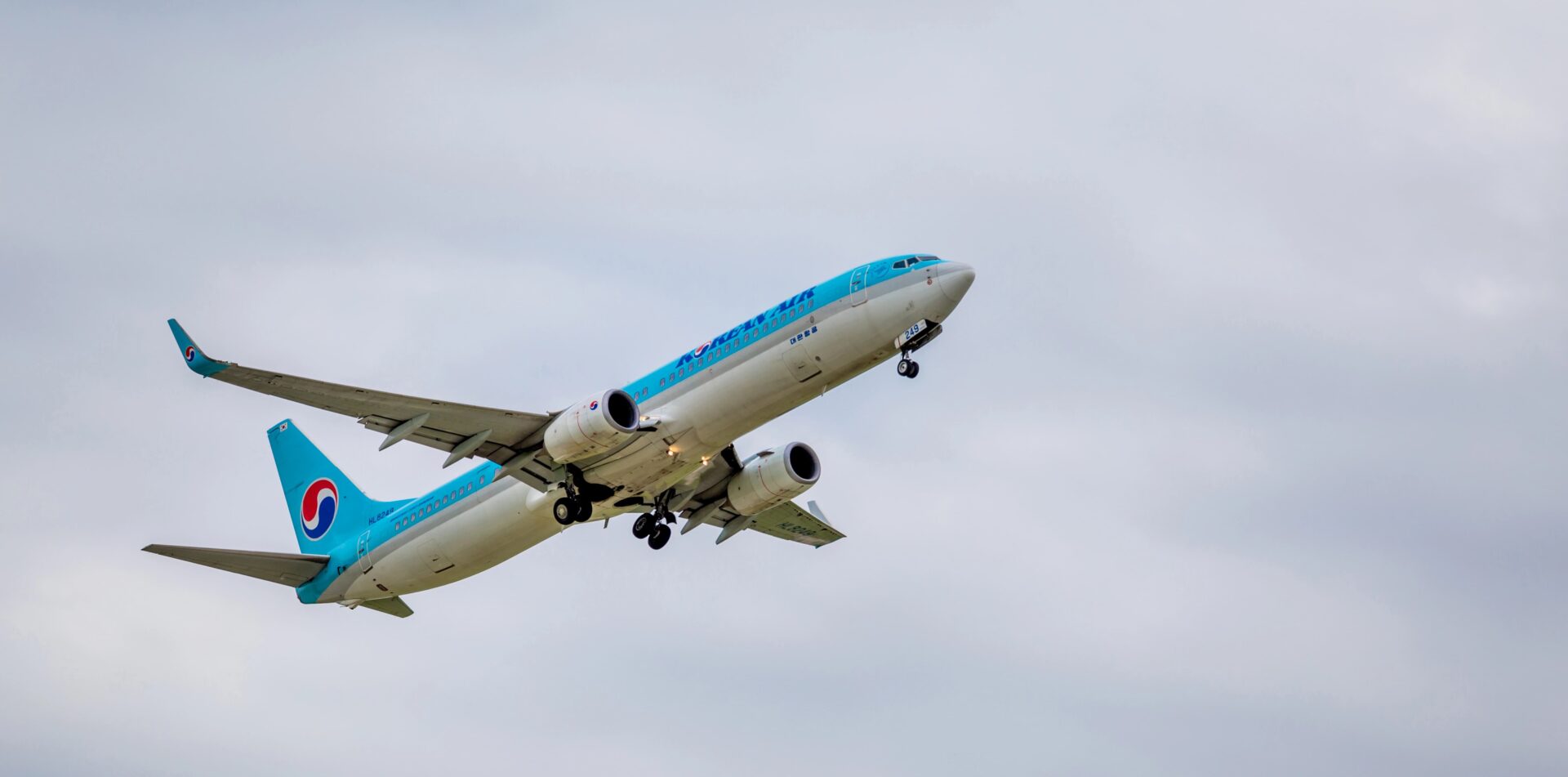
Pohang is easier to reach than many visitors assume because direct KTX service connects Seoul with Pohang Station. The main planning challenge is not the long-distance journey but the size of the city: Yeongildae, Guryongpo, Homigot and the northern coast sit in different directions and should be grouped carefully.
ㅤ
Why Visit Pohang?
Pohang works especially well for travelers who want an East Coast city that feels different from both Busan and Gangneung.
The Yeongildae shoreline mixes a city beach, an overwater pavilion, views toward the steelworks and the sculptural Space Walk. Jukdo Market provides one of the East Coast’s largest seafood-market experiences, while Guryongpo and Homigot reveal the fishing and sunrise culture of the Homi Peninsula.
The city also has enough nature for a second day. Igari Anchor Observatory opens toward the East Sea from the northern coast, while Naeyeonsan and Bogyeongsa combine a historic temple with a long valley famous for multiple waterfalls.
In late 2026, the Pohang International Fireworks Festival adds another reason to visit the Yeongildae area, with the current schedule set for November 20–22.
ㅤ
How Many Days Do You Need in Pohang?
One full day is enough for a focused first visit if you stay around central Pohang, Yeongildae and Space Walk.
One night and two days is better for most travelers. Use Day 1 for Jukdo Market, Yeongildae, Space Walk and the city night view. Use Day 2 for Guryongpo and Homigot or, alternatively, the northern coast and Bogyeongsa.
Two nights or more makes sense if you want both the Homi Peninsula and Naeyeonsan, are visiting during the fireworks festival, or want a slower summer beach trip.
Do not try to combine Homigot, Guryongpo, Space Walk, Igari and Bogyeongsa in one ordinary sightseeing day. The distances will turn the trip into a sequence of transfers.
ㅤ
Understand Pohang by Area
The easiest way to plan Pohang is to divide it into four practical travel zones.
The Yeongildae–Hwanho zone includes Yeongildae Beach, Hwanho Park, Space Walk and the urban coastline. This is the strongest modern-Pohang cluster and works especially well from late afternoon into evening.
The central city zone includes Jukdo Market, downtown Pohang and the inner harbor. It is the best place to build seafood and local food into the itinerary.
The Homi Peninsula zone includes Guryongpo Japanese House Street, Guryongpo Port, Homigot Sunrise Square and the southern coastal road. It deserves a half-day or more.
The northern zone includes Igari Anchor Observatory, Bogyeongsa and Naeyeonsan. This route goes in the opposite direction from Guryongpo and should normally be reserved for a separate day.
ㅤ
Space Walk
Space Walk is Pohang’s most recognizable contemporary attraction and one of Korea’s most unusual walkable public artworks.
The steel structure sits inside Hwanho Park and uses a 333-meter track with 717 steps. Its looping form resembles a roller coaster, but visitors walk along the accessible sections rather than riding anything.
Pohang City currently lists the following operating hours: April through October, weekdays 10:00–20:00 and weekends or holidays 10:00–21:00; November through March, weekdays 10:00–17:00 and weekends or holidays 10:00–18:00.
It normally closes on the first Monday of every month, with the closure moving to the following day when Monday is a public holiday.
Space Walk is highly weather-sensitive. Strong wind, heavy rain and other unsafe conditions can temporarily stop entry even when Hwanho Park itself remains open.
The best time is often late afternoon, when you can see Yeongil Bay in daylight and remain in the area for sunset and the city’s evening lights.
ㅤ
Hwanho Park
Hwanho Park is more than the approach to Space Walk. The park occupies elevated land above the coastline and gives broad views over the city, Yeongil Bay and the industrial landscape.
The park itself is currently open 24 hours and free to use.
If Space Walk closes because of weather, Hwanho Park can still be worth visiting for the sea view and as part of a Yeongildae walk.
Travelers interested in art can also check the nearby Pohang Museum of Steel Art depending on its current exhibition schedule.
ㅤ
Yeongildae Beach
Yeongildae Beach is Pohang’s main urban beach and one of the most useful places to understand the city’s relationship with the sea.
The beach stretches approximately 1.75 kilometers along Yeongil Bay. Its best-known feature is the overwater Yeongildae pavilion, while the opposite side of the bay opens toward Pohang’s steel-industry skyline.
The beach remains useful year-round for walking, sunrise and night views, but supervised swimming is seasonal.
Pohang City’s current 2026 beach schedule lists Yeongildae and the city’s seven other designated beaches as open for swimming from July 11 through August 23, from 09:00 to 19:00.
Yeongildae is particularly easy to combine with Space Walk because Hwanho Park sits nearby. Use the beach before or after Space Walk rather than making two separate cross-city trips.
ㅤ
Jukdo Market
Jukdo Market is the strongest food stop for a first Pohang visit and one of the largest traditional markets on Korea’s East Coast.
The market was formally established in 1969 and has grown to around 1,500 stores. Its fish-market section includes more than 200 raw-fish restaurants around the seafood auction area.
Current VISITKOREA and Pohang City information lists general operating hours as 08:00–22:00, open year-round, although individual businesses can keep different schedules.
Seafood is the obvious focus, but the market is also a good place to try Pohang specialties such as mulhoe, seasonal gwamegi and abalone dishes.
Use Jukdo Market as a meal plus a market walk rather than attempting to browse every arcade.
ㅤ
What to Eat in Pohang
Pohang is one of Korea’s strongest cities for East Coast seafood.
Mulhoe is one of the easiest signature dishes for first-time visitors. Sliced raw fish is served with vegetables and a cold spicy-sweet broth or sauce, creating a refreshing meal that is particularly popular in warmer weather.
Gwamegi is the city’s most distinctive winter specialty. Fish, commonly saury or herring, is partially dried in cold coastal air and eaten with seaweed, vegetables and condiments. Guryongpo is especially closely associated with gwamegi production.
Snow crab and other fresh seafood are also important around Guryongpo and Jukdo Market.
For a short trip, use Jukdo Market for one major seafood meal and save Guryongpo for a regional specialty or lighter second meal.
ㅤ
Guryongpo Japanese House Street
Guryongpo is one of Pohang’s most historically complicated visitor districts.
After the late-19th-century opening of the Korean coast to Japanese fishing interests, Japanese residents became increasingly involved in Guryongpo’s fishing industry. Pohang later preserved 47 Japanese-style wooden houses to document this history and the colonial period.
The area is now known as Guryongpo Japanese House Street and includes the Guryongpo Modern History Museum, which occupies a restored 1920s Japanese wooden house.
The street itself can be visited throughout the year. The museum currently operates from 10:00 to 17:30 and closes on Mondays. Admission is free.
The neighborhood also became widely recognized as a filming location for the Korean drama 'When the Camellia Blooms.'
Treat the district as a historical site with a difficult colonial context rather than only a nostalgic photo street.
ㅤ
Guryongpo Port
Guryongpo Port is immediately connected to the historical street and adds the working-fishing-port side of the peninsula.
The modern port developed after major harbor construction in the 1920s and remains closely associated with seafood, snow crab and gwamegi.
Walk through the port after the historical street, then continue toward Homigot rather than returning to central Pohang.
This sequence creates a much more efficient peninsula route: Guryongpo history → port and food → Homigot sunset or sunrise area.
ㅤ
Homigot Sunrise Square
Homigot sits on the far eastern side of the Homi Peninsula and is one of Korea’s best-known sunrise destinations.
The square is famous for the large 'Hand of Mutual Support' sculptures, with one hand rising from the sea and another on land.
The destination is particularly crowded around New Year, when large numbers of visitors arrive before dawn to watch the first sunrise.
Outside New Year, Homigot is still worth visiting for its open East Sea horizon, lighthouse-related attractions and coastal atmosphere.
Homigot is far from Yeongildae and Pohang Station by city-trip standards. Pair it with Guryongpo, not with the northern coast.
ㅤ
Pohang International Fireworks Festival 2026
Pohang’s largest annual city event is the Pohang International Fireworks Festival.
The current 2026 schedule is November 20–22, with Yeongildae Beach and other parts of Pohang used for the festival.
The program information currently includes an international fireworks show, drone-light show, light-art installations, street parade, daily fireworks, music programs and food zones. Detailed 2026 programming is still being updated.
Admission to the main festival is currently listed as free.
If you visit during the festival, book accommodation early and expect major crowd-control measures around Yeongildae. Do not assume normal taxi access or parking near the beach during the main fireworks periods.
ㅤ
Igari Anchor Observatory
Igari Anchor Observatory is one of the strongest short stops on Pohang’s northern coast.
The structure is shaped like an anchor and extends approximately 102 meters toward the sea from the coast, reaching about 10 meters above the water.
Current operating hours are 09:00–18:00, extended to 20:00 from June through August. Admission is free.
Bad weather can restrict access, especially when wind and waves make the exposed deck unsafe.
The observatory works naturally with a northern-coast drive or a Bogyeongsa day. It does not fit efficiently into the Homigot–Guryongpo route.
ㅤ
Bogyeongsa and Naeyeonsan
Bogyeongsa and Naeyeonsan are the best additions for travelers who want mountains and temples rather than another beach.
Bogyeongsa is a historic Buddhist temple whose traditional history reaches back to the Silla period. Current VISITKOREA information lists the temple from 06:00 to 18:00, open year-round and free to enter.
Naeyeonsan rises to around 710 meters and is known for a long valley with a series of waterfalls. Tourism information commonly describes twelve waterfalls along the broader valley system.
The temple itself can be a short visit, but hikers should reserve a much larger block of time for the valley.
For a two-day Pohang trip, choose either the Homi Peninsula or Naeyeonsan for Day 2 unless hiking is the central purpose of the trip.
ㅤ
How to Get to Pohang from Seoul
Direct KTX makes Pohang much easier to reach than many other regional coastal cities.
Pohang City currently gives the Pohang–Seoul KTX journey as approximately 2 hours 20 minutes, with more than a dozen services on a typical day.
KORAIL continues to publish updated 2026 KTX timetables, so check the exact train rather than relying on a fixed departure list.
Pohang Station is outside the old city center in Heunghae-eup. Arriving by KTX does not place you directly at Yeongildae or Jukdo Market.
Because Seoul–Pohang rail travel is relatively fast, a day trip is technically possible, but an overnight stay produces a much better experience if Homigot or Guryongpo is included.
ㅤ
Pohang Station Is Outside the Main Sightseeing Areas
Pohang Station sits north of central Pohang and requires a local transfer to the main visitor districts.
Recent Korea Tourism Organization guidance estimates Pohang Station to Yeongildae Beach at about 15 minutes by express bus or around 12 minutes by taxi under typical conditions.
Jukdo Market, central Pohang and the Homi Peninsula require their own transfers.
If you are carrying luggage, a taxi to your hotel can be efficient because the station is not in a walkable tourist center.
ㅤ
Getting Around Pohang
Pohang has no subway system.
Local buses and taxis work well for central Pohang, Yeongildae and Space Walk, but the Homi Peninsula and northern attractions involve longer distances.
Pohang operates city-tour products that currently combine routes such as Guryongpo, Homigot, Jukdo Market, Yeongildae and Space Walk, showing how geographically separate the main attractions are.
A tourist taxi or rental car becomes especially useful when you want Guryongpo and Homigot in the same half-day or want to combine Bogyeongsa with the northern coast.
For a public-transport itinerary, choose fewer zones and allow more buffer between them.
ㅤ
Where to Stay in Pohang
Stay around Yeongildae if the beach, Space Walk, restaurants and night views are your priorities. This is the most atmospheric first-time base.
Stay in central Pohang near Jukdo Market if seafood, downtown access and transportation convenience matter more than waking up by the beach.
Stay around Guryongpo only if the Homi Peninsula, sunrise or a slower fishing-village atmosphere is the main purpose of your trip.
Staying beside Pohang Station is useful for an early train but less convenient for sightseeing because the station is outside the core urban visitor areas.
ㅤ
Best Time to Visit Pohang
Spring and autumn provide the easiest overall conditions for Pohang because the city’s strongest attractions are outdoors.
Summer is the main swimming season. Pohang City’s 2026 schedule currently lists its eight designated beaches from July 11 through August 23, operating 09:00–19:00.
Autumn usually brings clear coastal views and comfortable conditions for Homigot, Guryongpo and Space Walk.
Late autumn 2026 has an additional attraction: the Pohang International Fireworks Festival is scheduled for November 20–22.
Winter is strongly associated with gwamegi and can offer excellent sunrise conditions, but coastal winds can be severe.
New Year is one of the busiest periods at Homigot. If the sunrise ceremony is your goal, book accommodation and transportation significantly in advance.
ㅤ
A Practical One-Day Pohang Route
Morning: Arrive at Pohang Station and move to Jukdo Market. Have an early seafood lunch or a lighter market meal.
Early afternoon: Continue to Yeongildae Beach and walk along the urban coastline.
Mid-afternoon: Move into Hwanho Park and visit Space Walk. Adjust timing around weather and visibility.
Late afternoon: Return toward Yeongildae for sunset and the overwater pavilion.
Evening: Eat around Yeongildae or return to Jukdo Market, then enjoy the city and steelworks lights across Yeongil Bay.
This route intentionally excludes Guryongpo and Homigot because the Homi Peninsula deserves its own block.
ㅤ
A Practical One-Night, Two-Day Route
Day 1: Jukdo Market → Yeongildae Beach → Hwanho Park → Space Walk → Yeongildae night view.
Stay around Yeongildae or central Pohang.
Day 2 — Homi Peninsula: Guryongpo Japanese House Street → Guryongpo Port → local seafood or gwamegi → Homigot Sunrise Square.
Day 2 — Northern Nature: Igari Anchor Observatory → Bogyeongsa → Naeyeonsan valley walk.
Day 2 — Relaxed Coast: Igari Anchor Observatory → Wolpo or another northern beach → café stops → return to Pohang Station.
Choose either south or north on Day 2. Trying to cover both directions turns a relaxed coastal trip into a driving exercise.
ㅤ
Common Mistakes to Avoid
Do not assume Pohang Station is downtown.
Do not schedule Space Walk without checking wind and rain conditions. Hwanho Park may remain open while Space Walk entry is suspended.
Do not treat Guryongpo and Homigot as nearby extensions of Yeongildae. They are a separate peninsula route.
Do not plan the north coast and Homigot on the same short day unless you are driving and deliberately building a long road trip.
Do not expect supervised swimming outside the official beach season.
Do not visit the Guryongpo Modern History Museum on a Monday without checking its normal closure.
If you visit the November 2026 fireworks festival, expect major crowding and transportation controls around Yeongildae.
ㅤ
FAQ
Is Pohang worth visiting on a first trip to Korea?
Yes, especially if you want an East Coast city combining modern public art, seafood, beaches, industrial scenery and sunrise destinations. Travelers with very limited time may still prioritize Seoul, Gyeongju or Busan first.
Can Pohang be a day trip from Seoul?
Yes. Direct KTX takes around 2 hours 20 minutes according to Pohang City, so a long day trip is possible. One night is much better if you want Guryongpo or Homigot.
What should a first-time visitor prioritize?
Jukdo Market, Yeongildae Beach and Space Walk provide the strongest compact introduction. Add Guryongpo and Homigot on a second day.
Is Space Walk free?
Yes. Current Pohang tourism information lists Space Walk as a public attraction without an admission fee, but entry can be suspended because of weather.
When is the 2026 Pohang International Fireworks Festival?
The current schedule is November 20–22, 2026 at Yeongildae Beach and other parts of Pohang.
When is Pohang’s 2026 swimming season?
Pohang City currently lists its eight designated beaches, including Yeongildae, from July 11 to August 23, 2026, with official beach hours from 09:00 to 19:00.
Do you need a car in Pohang?
No for Jukdo Market, Yeongildae and Space Walk. A car or tourist taxi becomes much more useful for Guryongpo, Homigot, Igari and Bogyeongsa.
Where should you stay for one night?
Yeongildae is the strongest first-time choice for beach atmosphere, Space Walk access, restaurants and night views. Central Pohang is better for market and transportation convenience.
ㅤ
Source References
Pohang City Tourism: https://pohang.go.kr/phtour/
VISITKOREA Space Walk: https://english.visitkorea.or.kr/svc/whereToGo/locIntrdn/rgnContentsView.do?
menuSn=351&vcontsId=34489
VISITKOREA Jukdo Market: https://english.visitkorea.or.kr/svc/contents/contentsView.do?
vcontsId=87881
VISITKOREA Guryongpo Japanese House Street: https://english.visitkorea.or.kr/svc/whereToGo/locIntrdn/rgnContentsView.do?
vcontsId=14955
VISITKOREA Homigot Sunrise Square: https://english.visitkorea.or.kr/svc/whereToGo/locIntrdn/rgnContentsView.do?
menuSn=351&vcontsId=94539
Pohang City 2026 Beach Operations: https://pohang.go.kr/dept/contents.do?
mid=0305010000
KORAIL Timetables: https://www.korail.go.kr/ticket/reserve/train-timeTable