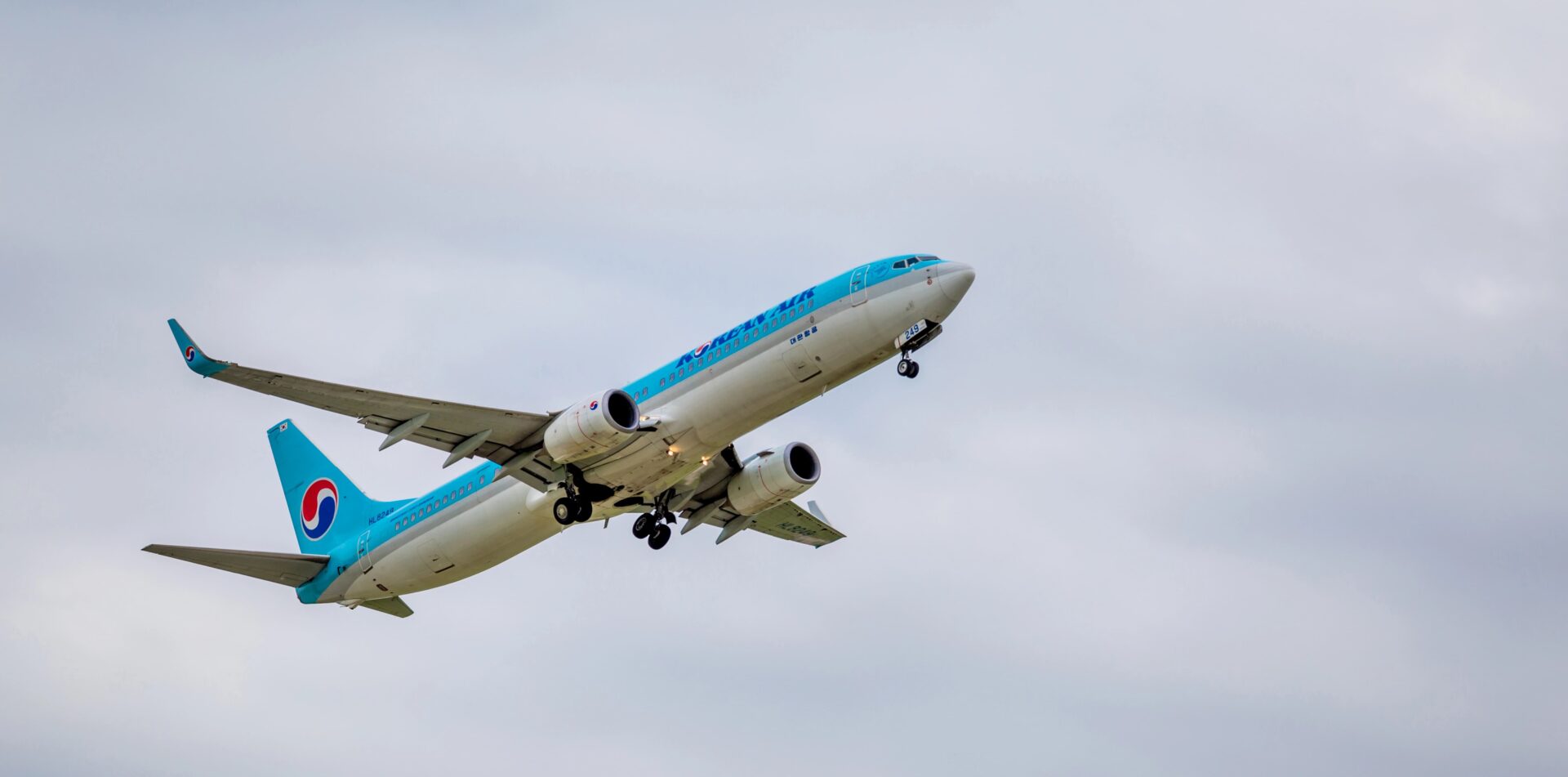

A practical seven-day South Korea itinerary for families visiting for the first time. It uses Seoul as the main base for five days, mixing history, children's museums, parks and a theme-park day, then adds two days in Busan for beaches and an aquarium. The guide also explains stroller strategy, public transportation, hotel location, rainy-day alternatives and age-based adjustments.
Traveling in South Korea with children is easier when the itinerary contains fewer hotel changes, shorter sightseeing blocks and a reliable indoor alternative for every outdoor day.
For most first-time families, a strong one-week plan is five days in Seoul followed by two days in Busan. Seoul gives you palaces, interactive museums, parks, shopping and Lotte World, while Busan adds beaches, an aquarium and a different coastal atmosphere with only one major intercity transfer.
The goal is not to make children complete an adult sightseeing checklist. A good family itinerary alternates history with play, outdoor walking with indoor attractions, and busy days with slower evenings.
ㅤ
Korea Family Travel Itinerary at a Glance
Day 1 — Easy Historic Seoul: Gyeongbokgung Palace, a short Bukchon or Insadong walk and an early dinner.
Day 2 — Family Culture Day: Seoul Children's Museum and Seoul Children's Grand Park.
Day 3 — Seoul Forest and Seongsu: park time, cafés, shopping and a flexible afternoon.
Day 4 — Lotte World and Jamsil: dedicate most of the day to the theme park.
Day 5 — National Museum of Korea Children's Museum, Yongsan and a relaxed Han River or Myeongdong evening.
Day 6 — Seoul to Busan: morning KTX, Haeundae Beach, SEA LIFE Busan Aquarium and Gwangalli evening.
Day 7 — Busan Family Day: choose Haeundae Blueline Park and Cheongsapo, or a lighter old-Busan route before departure.
ㅤ
Why Five Days in Seoul and Two Days in Busan?
Families usually benefit from staying longer in one hotel than adult travelers who enjoy changing cities frequently.
Five Seoul days provide enough variety without requiring daily long-distance transfers. You can combine royal history, hands-on museums, a large park, a theme park and modern neighborhoods while returning to the same room every night.
Two Busan days then give children a noticeable change of scenery: beaches, marine life and coastal transport.
If your children are preschool age or strongly dislike travel days, staying in Seoul for the entire week is also an excellent choice.
ㅤ
Do Not Plan Family Travel Like an Adult Checklist
Young children often care less about how many famous landmarks they see and more about whether they are tired, hungry, hot or bored.
Plan one major attraction in the morning and one flexible area in the afternoon.
Keep meals earlier than you might on an adults-only trip.
Use cafés, convenience stores, department stores and museums as rest stops.
When a child is exhausted, remove the final attraction instead of trying to recover the schedule with faster walking.
ㅤ
Day 1: Keep the First Day Easy
Use Day 1 for Gyeongbokgung Palace and only a small part of traditional Seoul.
The route can be Gyeongbokgung Palace → short Bukchon walk or Insadong → early dinner.
Do not combine the palace, Bukchon, Insadong, Ikseon-dong, Myeongdong and N Seoul Tower simply because they are all nearby on a map.
Families arriving after a long international flight need room for airport delays, jet lag and unexpected rest.
ㅤ
Gyeongbokgung with Children
Gyeongbokgung works well for families when you treat it as an open historical space rather than a two-hour lecture.
Arrive near opening time, walk through the major courtyards and let older children look for architectural details, guards and changing views of the mountains.
Hanbok rental can make the palace more engaging for children who enjoy dressing up, but changing clothes and taking photos adds substantial time.
The palace normally opens at 09:00, uses seasonal closing times and is regularly closed on Tuesdays, so confirm the official schedule before visiting.
ㅤ
Bukchon or Insadong – Choose One with Young Children
After the palace, choose Bukchon or Insadong instead of forcing both.
Bukchon is visually memorable but involves slopes, narrow streets and a residential environment where visitors must keep noise low. Restricted residential areas currently limit tourist access to daytime hours.
Insadong is flatter and easier for lunch, tea, crafts and souvenirs.
Families using strollers or traveling in hot weather may find Insadong the easier second stop.
ㅤ
Day 2: Seoul Children's Museum and Children's Grand Park
Day 2 is deliberately child-centered.
Seoul Children's Museum is a multipurpose learning and activity space with experience halls, educational facilities, a café and a nursing room. Current Visit Seoul information lists opening Tuesday through Sunday from 10:00 to 18:00, with last entry at 17:00.
The museum sits by Seoul Children's Grand Park, allowing you to combine an indoor morning with an outdoor afternoon without a cross-city transfer.
ㅤ
Seoul Children's Grand Park
Seoul Children's Grand Park is one of the easiest family days in the city.
Current VISITKOREA information lists the park itself from 05:00 to 22:00 and the zoo from 10:00 to 17:00. The park is open year-round and general park admission is free, although specific amusement facilities may charge separately.
The site includes a zoo, arboretum, amusement facilities and performance areas.
Visit Seoul also notes that the park has wide, gentle routes that are easier for visitors using strollers and wheelchairs.
ㅤ
How Much of Children's Grand Park Should You Do?
Do not try to complete the zoo, rides, museum, botanical areas and every playground.
Choose two or three sections according to your child's age.
Toddlers may be happiest with the children's museum and a playground.
Elementary-school children may want the zoo and rides.
Older children may prefer a shorter park visit followed by Seongsu, Jamsil or another contemporary neighborhood.
ㅤ
Day 3: Seoul Forest and Seongsu
Start Day 3 at Seoul Forest.
The park gives children open space after the previous days of palaces and museums. Use playgrounds, lawns and walking areas according to the weather rather than attempting every part of the park.
Then walk or take a short ride into Seongsu-dong.
Seongsu works well for parents and older children because cafés, pop-ups, fashion, beauty stores and creative spaces are concentrated nearby.
ㅤ
Why Seongsu Works for Mixed-Age Families
A family does not need every day to be designed only for children.
Seongsu allows adults and teenagers to enjoy current Seoul while younger children have already had outdoor time at Seoul Forest.
Choose only a few stores or cafés. Long queues at trending pop-ups are rarely worth an hour of family travel time.
If the children are tired, return to the hotel early or switch the afternoon to an indoor shopping complex.
ㅤ
Day 4: Lotte World
Give Lotte World most of Day 4 instead of treating it as a two-hour stop.
The official park combines a large indoor Adventure area with outdoor Magic Island, which makes it useful in Seoul's variable weather.
Current official information shows operating hours changing by date. The park's live schedule should therefore be checked shortly before visiting rather than relying on a fixed hour published months earlier.
Ride restrictions also vary by attraction. The official site lists individual height requirements, including many attractions around 100 to 130 centimeters or taller.
ㅤ
Plan Lotte World Around Your Child's Height
Before buying tickets, check the attractions your children can actually ride.
A family with a 95-centimeter toddler will have a very different park day from a family with two teenagers.
Use the official attraction list to check height limits before the trip.
Do not promise one specific ride until you have confirmed both the height rule and the day's operating schedule.
Outdoor Magic Island attractions can also be affected by rain, wind and extreme temperatures.
ㅤ
Jamsil After the Theme Park
Keep the evening in Jamsil.
Lotte World Mall, restaurants, Seokchon Lake and the wider Jamsil area are nearby.
Do not finish a full theme-park day by traveling across Seoul to Hongdae or Bukchon.
If children are still energetic, have dinner and walk briefly around Seokchon Lake. If not, return to the hotel.
ㅤ
Day 5: National Museum of Korea Children's Museum
Use Day 5 for a quieter cultural experience.
The Children's Museum inside the National Museum of Korea is free, but online reservations are required. The museum does not offer on-site ticketing for visitors without reservations.
Current official guidance says individual reservations open from midnight 14 days before the visit date, and up to five people can be included in one individual reservation.
Children under 36 months also need to be included in the reservation.
ㅤ
Current Children's Museum Sessions
From August 18, 2026, the National Museum of Korea Children's Museum operates five daily sessions:
09:30-10:50.
11:00-12:20.
13:00-14:20.
14:30-15:50.
16:00-17:20.
The current official reservation system allocates 320 online reservations per session.
Because the schedule can change during school vacations or maintenance periods, confirm the live reservation page for your travel date.
ㅤ
Combine the Children's Museum with the Main Museum
Parents do not need to choose between children's activities and Korean cultural history.
After the children's session, visit a small portion of the main National Museum of Korea.
Choose one or two galleries instead of expecting children to spend several additional hours covering the entire museum.
The permanent galleries of the main museum are free, while some special exhibitions charge admission.
ㅤ
A Slow Day 5 Evening
After the museum, keep the rest of the day flexible.
You can stay around Yongsan, go to Myeongdong for shopping and dinner, or visit a Han River park if the weather is comfortable.
This is also the evening to pack for Busan.
Family transfer days become much easier when everyone's clothes, chargers, snacks and medications are organized the night before.
ㅤ
Day 6: KTX from Seoul to Busan
Take a morning KTX from Seoul Station to Busan Station.
For families, choose a departure time that allows a normal breakfast and hotel check-out. Taking the earliest possible train is not useful if everyone starts the day exhausted.
Keep snacks, water, tissues and a small activity bag accessible rather than buried inside checked or large luggage.
After arriving in Busan, leave luggage at the hotel before sightseeing.
ㅤ
Where to Stay in Busan with Children
Haeundae is especially convenient for this family version because Day 6 and Day 7 focus on the eastern coast.
You can walk to the beach, SEA LIFE Busan Aquarium and many restaurants.
Seomyeon remains better for families who prioritize citywide transportation and shopping.
For only two nights, use one hotel. Do not move from Nampo to Haeundae simply to reduce one commute.
ㅤ
Day 6 Afternoon: Haeundae Beach
Use Haeundae as an easy first Busan stop.
The beach gives children open space after the KTX journey and does not require a strict timed entry.
During the swimming season, follow current beach safety rules and lifeguard guidance.
Outside summer, Haeundae still works as a promenade and coastal district rather than a swimming destination.
ㅤ
SEA LIFE Busan Aquarium
SEA LIFE Busan Aquarium is directly in the Haeundae area and is a strong indoor family attraction.
Current VISITKOREA information says the aquarium contains more than 250 species and over 10,000 marine creatures, with themed zones and an underwater tunnel.
Current listed hours are 10:00-19:00 on weekdays and 10:00-20:00 on weekends, and it is listed as open year-round.
Children under age three can currently enter free with proof of age, while other tickets are paid.
ㅤ
Evening: Gwangalli if the Children Still Have Energy
Gwangalli is a good final stop when children are old enough to handle another transfer after dinner.
The illuminated Gwangandaegyo Bridge creates one of Busan's best night views.
For families with toddlers, staying around Haeundae is often the better choice.
There is no prize for completing both beaches on the same evening.
ㅤ
Day 7 Option 1: Haeundae Blueline Park
For a scenic final day, use Haeundae Blueline Park and Cheongsapo.
The coastal route follows a former railway corridor between Mipo, Cheongsapo and Songjeong.
The Beach Train is generally easier for families who want flexibility and multiple stops, while the Sky Capsule is a more specific timed experience.
Reserve popular times in advance when the ride is one of your trip priorities.
ㅤ
Day 7 Option 2: A Lighter Old-Busan Route
Families with older children can instead visit Gamcheon Culture Village, Jagalchi Market and the Nampo area.
This gives the trip more cultural variety than another beach day.
Gamcheon has steep streets and stairs, so it is less convenient with a stroller.
When mobility is a concern, stay with Haeundae, the aquarium, Blueline Park and other flatter coastal attractions.
ㅤ
What If You Have Preschool Children?
For children under roughly six years old, consider staying in Seoul for the entire week.
Replace the Busan transfer with another slow Seoul day, Children's Grand Park, a second museum, an indoor playground, a hotel pool or a nearby easy outing.
Up to three children under six can ride Seoul city buses free when accompanied by a fare-paying adult under the current Seoul bus guidance.
The point is not to use every available day for another destination. Stability can be more valuable than variety for very young children.
ㅤ
What If You Are Traveling with Teenagers?
Teenagers can usually handle a more ambitious version.
Keep Seoul, add Busan, and let them choose some priorities such as Seongsu, Hongdae, shopping, K-pop-related locations, theme-park rides, baseball or cafés.
Do not automatically schedule children's museums for teenagers.
The family itinerary should adapt to the actual ages and interests of the children, not to the word family.
ㅤ
Strollers and Seoul Public Transportation
A lightweight foldable stroller is easier than a large travel system in crowded stations and small restaurants.
Seoul's accessible-transport guidance notes that accessible subway cars include space for wheelchairs and strollers, while station accessibility varies and older facilities may require lifts or longer elevator routes.
Use navigation apps to identify the correct station exit and allow extra time for elevators.
For short trips with a sleeping child, a taxi can be worth the additional cost.
ㅤ
Subway Fares for Families
As of June 28, 2025, Seoul Metropolitan Government lists the subway base fare with a transportation card at 1,550 won for adults, 900 won for teenagers and 550 won for children.
Fares can vary on special lines and with distance.
For a family, the more important practical point is to have a transportation card ready and avoid buying separate single-use tickets for every trip.
ㅤ
Build Every Day Around Food and Toilets
Children rarely become tired according to the timetable.
Before entering a long attraction, identify where the next meal, restroom and rest break will be.
Department stores, large malls, museums and major family attractions are useful because they usually provide cleaner restrooms, seating and indoor climate control.
Carry a small amount of familiar food for emergencies, but also give children opportunities to try Korean dishes in low-pressure settings.
ㅤ
Rainy-Day Family Strategy
Seoul and Busan both have strong indoor alternatives.
In Seoul: Seoul Children's Museum, National Museum of Korea Children's Museum, COEX, shopping malls and Lotte World's indoor Adventure area.
In Busan: SEA LIFE Busan Aquarium, Centum City shopping and other indoor attractions.
Move the park, palace and beach sections to clearer periods instead of canceling the entire itinerary.
ㅤ
Summer Family Travel
Korean summers can be hot, humid and rainy.
Schedule outdoor attractions early, use the middle of the day for museums or malls and carry water.
Do not underestimate heat exposure for children in palace courtyards, outdoor theme-park areas and beaches.
A slower itinerary is not wasted time when it prevents the entire family from becoming exhausted.
ㅤ
Winter Family Travel
Winter requires a different rhythm.
Keep outdoor palace and park visits shorter and use indoor attractions between them.
Layer children's clothing so you can remove warm outerwear inside heated museums, malls and restaurants.
Lotte World, children's museums, aquariums and large indoor shopping complexes become especially valuable during cold or windy days.
ㅤ
Where to Stay in Seoul with Children
Myeongdong, Euljiro and Jongno are balanced choices for first-time sightseeing and short transport times to historic Seoul.
Jamsil is attractive for families who prioritize Lotte World, Lotte World Mall and a modern, convenient district.
Hongdae is useful for Airport Railroad access and families with older children who enjoy cafés, shopping and evening energy.
Choose a hotel near a subway station, but also check room size, elevator access, laundry options and whether breakfast suits your family's schedule.
ㅤ
Do You Need a Family Room?
Korean hotel rooms can be smaller than some families expect.
Check the exact bed configuration and maximum occupancy before booking.
A room described as twin may mean two single beds rather than two large beds.
For longer stays, an apartment-style hotel, residence or connecting rooms can be more comfortable than squeezing everyone into one standard room.
ㅤ
Final Korea Family Travel Itinerary
Day 1: Gyeongbokgung Palace → Bukchon or Insadong → early dinner.
Day 2: Seoul Children's Museum → Seoul Children's Grand Park.
Day 3: Seoul Forest → Seongsu → flexible indoor or hotel rest.
Day 4: Lotte World → Jamsil evening.
Day 5: National Museum of Korea Children's Museum → short main-museum visit → Yongsan, Myeongdong or Han River.
Day 6: KTX Seoul → Busan → Haeundae → SEA LIFE Busan Aquarium → optional Gwangalli.
Day 7: Haeundae Blueline Park and Cheongsapo, or Gamcheon and Nampo for older children → onward travel.
This route keeps the number of hotel changes low while giving children a mixture of history, play, parks, museums, theme-park attractions and the coast.
ㅤ
FAQ
Is South Korea easy to visit with children?
Yes. Major cities have extensive public transportation, indoor attractions, convenience stores and family facilities. The main challenge is usually overplanning rather than a lack of things to do.
How many days do families need in Korea?
Seven days is a strong first trip. Five days works well for Seoul only, while ten days gives families more time for Seoul, Busan and another region.
Should a family visit Seoul and Busan in seven days?
Yes for school-age children and teenagers. Families with toddlers may prefer to stay in Seoul and avoid the hotel change.
What are the best family attractions in Seoul?
Good first options include Seoul Children's Museum, Seoul Children's Grand Park, Seoul Forest, Lotte World and the Children's Museum at the National Museum of Korea.
Does the National Museum of Korea Children's Museum require reservations?
Yes. It is free, but online reservations are required and on-site ticketing is not available. Individual reservations currently open 14 days before the visit.
Is Seoul Children's Museum open every day?
Current Visit Seoul information lists it Tuesday through Sunday, 10:00-18:00, with last entry at 17:00.
Is Children's Grand Park free?
General park access is currently free, while some rides and individual facilities may have separate charges.
Is Lotte World suitable for young children?
Yes, but attraction height restrictions vary. Check the official ride list before buying tickets so you know which attractions your child can use.
Is Busan Aquarium good for families?
Yes. SEA LIFE Busan Aquarium is directly by Haeundae Beach and currently has more than 250 species and over 10,000 marine creatures.
Should I bring a stroller to Korea?
A lightweight foldable stroller is useful for younger children. Seoul has many elevators and accessible facilities, but some station routes can be long, so allow extra time.
Where should a family stay in Seoul?
Myeongdong, Euljiro or Jongno is convenient for first-time sightseeing. Jamsil is particularly useful when Lotte World is a major priority.