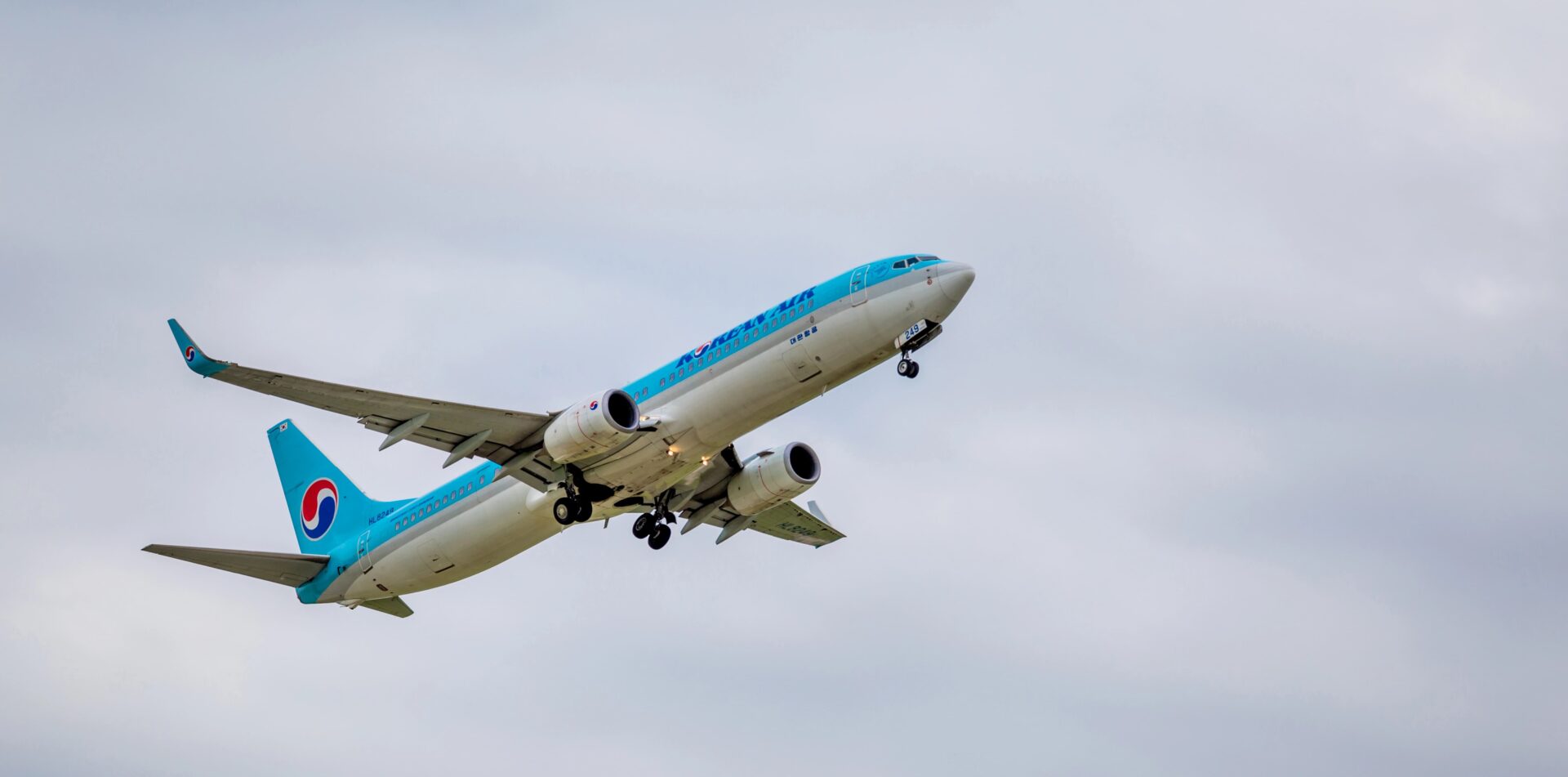

A balanced ten-day South Korea itinerary for first-time visitors. It combines four days in Seoul, one overnight in Gyeongju, two-plus days in Busan and two-plus days in Jeju, using KTX for the mainland and one domestic flight to add the island without turning the trip into constant transit.
Ten days is enough to experience four very different sides of South Korea without making every second day a transfer day.
The strongest first-trip route is Seoul → Gyeongju → Busan → Jeju. Seoul gives you royal history, contemporary neighborhoods and major-city culture. Gyeongju adds ancient Silla heritage. Busan brings markets and the coast. Jeju finishes the trip with volcanic landscapes and a slower island atmosphere.
This itinerary uses trains for the mainland portion and one domestic flight from Busan to Jeju. It assumes ten usable sightseeing days and either an onward flight after Day 10 or enough time to position yourself for your international departure.
ㅤ
10-Day Korea Itinerary at a Glance
Day 1 — Historic Seoul: Gyeongbokgung Palace, Bukchon Hanok Village, Insadong and Ikseon-dong.
Day 2 — Central Seoul: Gwangjang Market, Dongdaemun Design Plaza, Namsan and Myeongdong.
Day 3 — Contemporary Seoul: Seoul Forest, Seongsu-dong, COEX and Gangnam or Jamsil.
Day 4 — Western Seoul: Hongdae, Yeonnam-dong, Mangwon Market and the Han River.
Day 5 — Seoul to Gyeongju: KTX, Daereungwon, Cheomseongdae, Hwangnidan-gil, Woljeonggyo and Donggung Palace and Wolji Pond.
Day 6 — Gyeongju to Busan: Bulguksa Temple, optional Seokguram, then Busan and Gwangalli.
Day 7 — Old Busan: Gamcheon Culture Village, Jagalchi Market, Gukje Market, Bupyeong Kkangtong Market and Nampo-dong.
Day 8 — Coastal Busan and Flight to Jeju: Haeundae, optional Blueline Park, then fly from Gimhae to Jeju.
Day 9 — East Jeju: Seongsan Ilchulbong, Seopjikoji and nearby east-coast stops.
Day 10 — South or West Jeju: Seogwipo waterfalls, coastal scenery, cafés or a flexible final island day.
ㅤ
Why This Route Works
The route moves in one general direction instead of repeatedly returning to Seoul.
Seoul to Gyeongju and Gyeongju to Busan are efficient rail segments. Busan then gives you direct access to domestic flights to Jeju.
That means the trip includes only three accommodation changes after Seoul: Gyeongju, Busan and Jeju.
For ten days, four bases is close to the maximum most first-time travelers should attempt if they want the trip to remain enjoyable.
ㅤ
Days 1 to 4: Give Seoul Enough Time
Four days in Seoul gives you a much better first impression than trying to see the capital in one or two rushed days.
The city is not one compact center. Historic Jongno, modern Seongsu, southern Gangnam, Hongdae and the Han River each feel different.
Use the first four days to experience these districts in clusters rather than crossing the city repeatedly.
This also gives you flexibility if the weather is poor or one attraction is closed on your preferred day.
ㅤ
Day 1: Historic Seoul
Start with Gyeongbokgung Palace, Bukchon Hanok Village, Insadong and Ikseon-dong.
This route introduces Joseon royal history and traditional urban Seoul while keeping most of the day within Jongno.
Visit Gyeongbokgung near opening time, then continue toward Bukchon while residential visiting hours are in effect.
Current Visit Seoul information lists tourist access to designated restricted Bukchon residential areas from 10:00 to 17:00, with access restricted from 17:00 until 10:00 the following day.
Use Insadong for lunch or tea and finish in Ikseon-dong for dinner.
ㅤ
Day 2: Markets, Design and Night Views
Start at Gwangjang Market around late morning and use it as a food stop.
Continue to Dongdaemun Design Plaza for architecture, exhibitions or current pop-ups.
In the late afternoon, move toward Namsan for a city view and finish the night in Myeongdong.
If visibility is poor, reduce the Namsan portion and spend longer indoors rather than forcing a skyline stop in heavy rain or haze.
ㅤ
Day 3: Seoul Forest and Seongsu
Begin at Seoul Forest and walk into Seongsu-dong.
Seongsu is one of Seoul's most rapidly changing creative districts. Current August 2026 Visit Seoul coverage describes former factories and workshops now used for cafés, flagship stores, beauty experiences, galleries and short-lived pop-ups.
Because the neighborhood changes quickly, check current events shortly before your trip instead of relying on a fixed store list.
After lunch, continue to COEX and Starfield Library, then choose either Gangnam or Jamsil for the evening.
ㅤ
Day 4: Hongdae, Yeonnam and the Han River
Use Day 4 for a slower west-Seoul route.
Start in Hongdae, continue on foot through Yeonnam-dong and the Gyeongui Line Forest Park area, then move toward Mangwon Market.
Finish at Mangwon Hangang Park or another convenient Han River park if the weather is good.
This intentionally lighter day gives you time to do laundry, reorganize luggage or shop before beginning the multi-city portion of the trip.
ㅤ
Day 5: Seoul to Gyeongju
Check out in the morning and take KTX from Seoul toward Gyeongju.
After arriving, leave your luggage at the hotel and focus on the historic center.
Start with Daereungwon Ancient Tomb Complex, which contains major Silla-era royal tombs and Cheonmachong, the best-known tomb open to visitors.
Continue through Cheomseongdae and nearby heritage areas, then use Hwangnidan-gil for food and cafés.
Stay until evening so you can see Woljeonggyo Bridge and Donggung Palace and Wolji Pond after dark.
ㅤ
Why One Night in Gyeongju Works
One night is enough for a focused ten-day itinerary because you can divide the city into two parts.
Day 5 covers the central tombs, historic streets and evening sites.
The morning of Day 6 covers Bulguksa Temple and, if practical, Seokguram Grotto before continuing to Busan.
If history is one of the main reasons for your Korea trip, stay two nights in Gyeongju and remove one Seoul or Jeju day instead.
ㅤ
Day 6: Bulguksa and Busan
Visit Bulguksa Temple in the morning.
Do not add too many distant Gyeongju attractions before your transfer. The objective is to have one meaningful Buddhist heritage visit rather than spending the morning in taxis.
Then return toward Gyeongju Station and continue to Busan.
After checking in, keep your first Busan evening simple and go to Gwangalli Beach. The area is especially attractive after dark because of the illuminated Gwangandaegyo Bridge.
ㅤ
Day 7: Old Busan
Use Day 7 for the western and central side of Busan.
Start at Gamcheon Culture Village, then continue to Jagalchi Market, Gukje Market, Bupyeong Kkangtong Market and Nampo-dong.
Korea Tourism Organization groups these markets and Gamcheon into one practical Busan itinerary because they are geographically compatible.
This is much more efficient than combining Gamcheon with Haeundae on the opposite side of the city.
ㅤ
Day 8: Haeundae and Fly to Jeju
Use the morning and early afternoon for eastern Busan.
Walk along Haeundae Beach and, if coastal scenery is a priority, consider Haeundae Blueline Park.
Then collect your luggage and travel to Gimhae International Airport for a domestic flight to Jeju.
Busan-to-Jeju is an active domestic route. Korean Air currently sells Busan (PUS) to Jeju (CJU) tickets, and Air Busan also publishes fares for the Busan-Jeju route.
Do not treat the flight itself as the only transfer time. Add travel to Gimhae Airport, check-in, security, baggage collection and transport from Jeju Airport to your accommodation.
ㅤ
Where to Stay in Jeju
For only two or three nights, choose one Jeju base rather than changing hotels every night.
Jeju City is convenient for the airport and some northern or western routes.
Seogwipo is better for southern waterfalls, Jungmun and many south-coast attractions.
Staying near Seongsan can be useful when sunrise at Seongsan Ilchulbong is a major priority, but it is less central for an all-island itinerary.
Choose the location according to your transportation method and the side of the island you want to explore most.
ㅤ
Getting Around Jeju
Jeju has buses and taxis but no subway or train network.
Current July 2026 Korea Tourism Organization guidance says buses from Jeju International Airport connect with Jeju City, Seogwipo, major beaches and Jungmun Tourist Complex.
The same guidance notes that public transportation can be used for island travel, while a rental car may be more convenient for the west coast and inland areas.
If you rent a car, confirm the driver's-license and International Driving Permit requirements before your trip.
ㅤ
Day 9: East Jeju
Make Day 9 your east-coast day.
Start with Seongsan Ilchulbong Tuff Cone, one of Jeju's signature UNESCO-listed volcanic landscapes.
Current VISITKOREA information lists seasonal opening hours beginning as early as 04:30 in summer, with the first Monday of each month normally closed.
Continue to Seopjikoji, which lies just south of Seongsan and gives you coastal walking and open ocean scenery.
Depending on your transport and interests, add a beach, café, museum or another east-coast stop rather than trying to cross the island repeatedly.
ㅤ
Should You Visit Udo?
Udo can be an excellent addition, but only when ferry conditions and your schedule are favorable.
Current 2026 KTO guidance states that Udo is about a 15-minute ferry ride from Seongsan Port and can be explored as a half-day trip.
Ferry schedules can change because of weather.
If you add Udo, remove another Day 9 stop instead of treating it as a quick side trip that can be squeezed between Seongsan and several other attractions.
ㅤ
Day 10: South or West Jeju
Use the final day according to where you are staying and how your onward flight is scheduled.
From Seogwipo, a practical day can include Jeongbang Waterfall, nearby coastal scenery, cafés and a relaxed walk around the city.
VISITKOREA currently lists Jeongbang Waterfall as one of Jeju's major waterfalls and notes its direct coastal setting near central Seogwipo.
If you are based near Jeju City, consider a west-coast or northwest route instead.
Keep the last day flexible because Jeju weather can change quickly and your airport transfer still needs time.
ㅤ
Do Not Try to See the Entire Jeju Island in Two Days
Jeju is larger than many first-time visitors expect.
Attractions are spread around the coast and inland, and driving or bus travel between them can consume a large part of the day.
Choose one side of the island per day.
East Jeju and south Jeju work especially well for this itinerary, but west Jeju can replace either one when Aewol, Hallim, Hyeopjae or western cafés matter more to you.
ㅤ
What About Hallasan?
Hallasan can take most of a day when you choose a serious summit route.
Do not add a full Hallasan hike on top of the Day 9 or Day 10 sightseeing schedule.
If hiking Hallasan is a major goal, dedicate one entire Jeju day to it and remove the east- or south-coast route.
Check the latest trail-access, weather and reservation requirements shortly before your visit because mountain rules can change.
ㅤ
How to Handle the Final International Flight
If your international flight leaves from Jeju, the itinerary ends cleanly.
If it leaves from Incheon, do not assume you can finish a full Jeju sightseeing day and make a tight same-day international connection.
One useful 2026 change is that direct Incheon-Jeju flights resumed in May 2026, allowing some travelers to connect without transferring to Gimpo. However, schedules are limited compared with the large Gimpo-Jeju market and can change.
For an important long-haul departure, returning to Seoul or Incheon the evening before is still the safer structure.
ㅤ
Should You Return to Seoul on Day 10?
Return to Seoul on Day 10 if your international flight is early on Day 11.
In that case, shorten the final Jeju sightseeing day, fly to Gimpo or Incheon, and stay near the airport or in Seoul.
If your flight is late on Day 11, you can keep the full Day 10 Jeju itinerary and travel the following morning.
Do not sacrifice flight reliability simply to add one more waterfall or café.
ㅤ
Book the Long-Distance Segments First
Once your dates are fixed, book the pieces that determine the trip structure.
First, reserve the Seoul-to-Gyeongju KTX.
Then confirm your Gyeongju-to-Busan connection.
Finally, book the Busan-to-Jeju domestic flight.
Hotels can then be aligned with those transport times.
This is especially important around weekends, Seollal, Chuseok and Korean holiday periods when train and flight demand can rise sharply.
ㅤ
Keep the Luggage Manageable
Four destinations means you will move your own luggage several times.
Use one manageable suitcase rather than several large bags.
Hotels can often hold luggage before check-in or after check-out, and major stations have lockers or staffed storage options.
The less luggage you carry, the easier KTX stations, airport transfers, Jeju rental cars and hotel changes become.
ㅤ
A Slower 10-Day Alternative
You do not have to include Jeju.
A slower land-only itinerary can use four days in Seoul, two days in Gyeongju and three days in Busan, with one additional day for Suwon, Jeonju or a relaxed Seoul day.
This eliminates the domestic flight and makes the trip less weather-sensitive.
Choose Jeju only when island scenery is important enough to justify another transfer.
ㅤ
Final 10-Day Itinerary
Day 1: Gyeongbokgung Palace → Bukchon Hanok Village → Insadong → Ikseon-dong.
Day 2: Gwangjang Market → Dongdaemun Design Plaza → Namsan → Myeongdong.
Day 3: Seoul Forest → Seongsu-dong → COEX → Gangnam or Jamsil.
Day 4: Hongdae → Yeonnam-dong → Mangwon Market → Han River.
Day 5: KTX Seoul → Gyeongju → Daereungwon → Cheomseongdae → Hwangnidan-gil → Woljeonggyo → Donggung Palace and Wolji Pond.
Day 6: Bulguksa → optional Seokguram → Gyeongju Station → Busan → Gwangalli.
Day 7: Gamcheon Culture Village → Jagalchi → Gukje Market → Bupyeong Kkangtong Market → Nampo-dong.
Day 8: Haeundae → optional Blueline Park → Gimhae Airport → Jeju.
Day 9: Seongsan Ilchulbong → Seopjikoji → optional Udo or east-coast stops.
Day 10: Seogwipo waterfalls and coast, or a west-Jeju alternative → onward travel.
This route gives you city, history, coast and island landscapes while keeping the transport pattern logical.
ㅤ
FAQ
Is ten days enough for South Korea?
Yes. Ten full days is enough for a balanced first trip covering Seoul, Gyeongju, Busan and Jeju if you keep the route organized.
Is Seoul, Gyeongju, Busan and Jeju too much for ten days?
It is active but realistic. Four hotel bases is near the upper limit for a comfortable ten-day first trip.
How many days should I spend in Seoul?
Four days works well in this itinerary and gives you enough time for historic, central, eastern and western Seoul.
Can I fly directly from Busan to Jeju?
Yes. Busan-Jeju is an active domestic route, with airlines including Korean Air and Air Busan selling service on the route.
Do I need a car in Jeju?
No. Public buses and taxis can be used, and airport buses connect major areas. A rental car is more convenient for some west-coast and inland itineraries.
How many days do I need in Jeju?
Three to four nights is more relaxed, but two full sightseeing days can provide a strong introduction if you focus on one region each day.
Should I add Udo to a two-day Jeju stay?
Only if Udo is a priority and ferry conditions are good. Treat it as roughly a half-day activity and remove another stop.
Can I fly from Jeju directly to Incheon Airport?
Yes, direct Incheon-Jeju service resumed in May 2026, but check the current schedule because options can be more limited than Gimpo.
Should I return to Seoul before an international flight?
For an early or important flight from Incheon, returning the previous evening provides the safest buffer.