
Your study budget begins before you arrive in Korea. International students may need to pay for university applications, language tests, document authentication, tuition, visa fees, housing, flights, and initial living expenses. Planning for these costs early can help prevent financial surprises.
When planning your budget for studying in Korea, it is easy to focus only on tuition and monthly living expenses.
But you may need to spend a significant amount of money before you even arrive.
University applications, language tests, document preparation, visa procedures, housing, flights, and initial payments can all occur within a relatively short period.
Understanding these expenses in advance will help you calculate how much money you actually need to begin studying in Korea.
ㅤ
University Application Fees
Some Korean universities charge an application fee when you submit your application.
The amount varies by university and program.
If you apply to several universities, these fees can add up.
Application fees may also be non-refundable even if you are not admitted.
Before building a long application list, check the fee and payment method for each university.
ㅤ
Language Test Costs
Depending on your program, you may need to take a Korean or English language proficiency test.
Korean-taught programs may require TOPIK, while English-taught programs may require TOEFL, IELTS, or another qualification accepted by the university.
Remember that you may need to take a test more than once if your first result does not meet the required score.
Include both the test fee and any preparation costs in your budget.
ㅤ
Academic Document Costs
Preparing academic documents can involve several separate expenses.
You may need official transcripts, graduation certificates, certified copies, translations, notarization, an Apostille, or consular authentication.
International courier fees may also be necessary if universities require physical documents.
The total cost depends greatly on your country and the number of universities you apply to.
Do not leave document preparation until the last minute, as faster processing and international shipping can increase the cost.
ㅤ
Tuition or Enrollment Payments
After admission, your university may require tuition or another payment before confirming your enrollment.
The exact procedure differs by university.
According to the Korean government’s Study in Korea platform, average annual undergraduate tuition is approximately KRW 6.82 million, although actual tuition differs considerably by institution and field of study.
You may not need to pay an entire year’s tuition at once, but you should understand the university’s payment schedule before accepting your offer.
ㅤ
Student Visa Fees
After receiving admission, students who require a visa need to budget for the visa application.
Current Korean government guidance lists the standard fee for a single-entry visa of more than 90 days at approximately USD 60. Fees can vary depending on nationality and bilateral agreements.
Additional expenses may include photographs, medical examinations where required, document delivery, and travel to an embassy or consulate.
Always confirm the current fee with the Korean diplomatic mission handling your application.
ㅤ
Proof of Funds Is Not the Same as a Fee
International students may be asked to provide evidence that they have sufficient financial resources.
This is important to understand because proof of funds is not normally money paid to the government.
It is evidence showing that you or an eligible financial sponsor have the required financial ability.
Current D-2 and D-4 guidance includes proof of financial ability among the documents that may be required.
The required amount and acceptable documents can depend on your university, program, visa, and circumstances.
ㅤ
Dormitory Payments
If you plan to live in a university dormitory, you may need to pay the dormitory fee before arriving in Korea.
Universities have different payment schedules.
Some dormitories charge by semester, while meal plans or other charges may be included separately.
Read the cancellation and refund policy carefully before making payment.
If you receive admission from several universities, avoid making non-refundable housing payments until your final choice is clear.
ㅤ
Private Housing Deposits
Students who choose private accommodation should prepare for Korea’s rental deposit system.
Even when monthly rent appears affordable, you may need to pay a substantial deposit before moving in.
The amount varies widely depending on the city, neighborhood, property, and rental arrangement.
This can make your initial housing cost much higher than one month of rent.
Research the full deposit and contract conditions before choosing private housing.
ㅤ
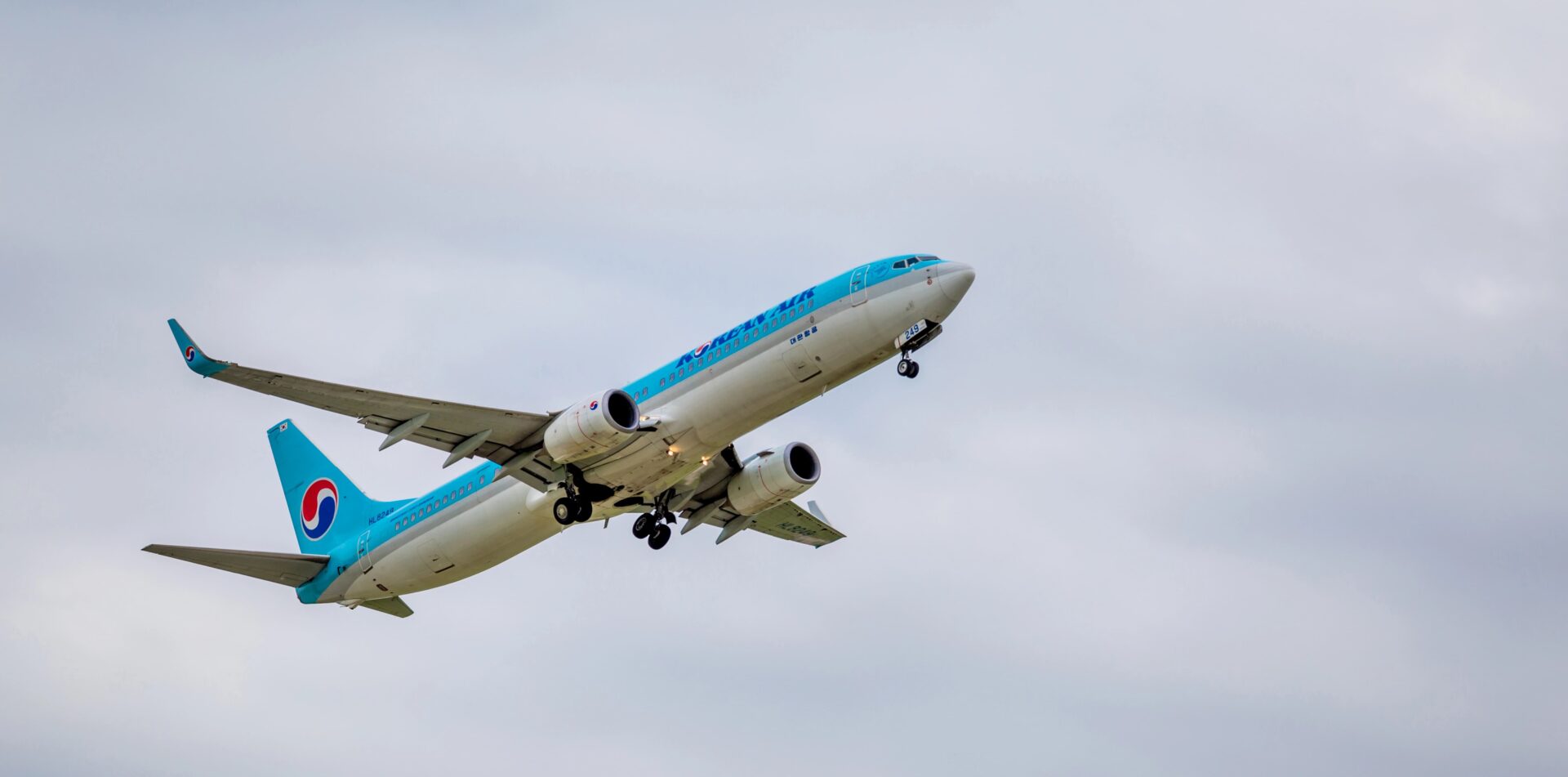
Flight to Korea
Airfare can be another major pre-arrival expense.
Prices depend on your departure country, season, airline, baggage allowance, and how early you book.
Before purchasing your ticket, confirm your visa status and university schedule.
Your university may require you to arrive before classes begin for dormitory check-in, orientation, or other administrative procedures.
A cheaper flight is not useful if it causes you to miss an important university deadline.
ㅤ
Travel and Baggage Costs
Do not look only at the ticket price.
International students moving to Korea may need extra checked baggage, airport transportation, or luggage shipping.
Depending on how much you bring, baggage fees can become significant.
Compare the cost of transporting items with buying them after arrival.
For basic household products, it may be easier and cheaper to purchase many items in Korea.
ㅤ
Insurance and Medical Preparation
Your insurance situation depends on your visa, length of stay, and eligibility for Korea’s National Health Insurance system.
You may also want or need travel or private insurance for the period before other coverage begins.
Before departure, consider whether you need vaccinations, prescriptions, medical certificates, or a supply of regular medication.
These costs vary significantly by student.
ㅤ
Your First Month Can Cost More
Your first month in Korea is often more expensive than later months.
You may need to buy bedding, household products, a SIM card, transportation cards, food, textbooks, and other essentials soon after arrival.
The Korean government’s Study in Korea platform currently estimates normal living expenses at approximately KRW 750,000 to KRW 1,000,000 per month, although actual expenses vary according to housing and lifestyle.
Your initial month may require more because of one-time setup costs.
ㅤ
Keep an Emergency Fund
Do not plan to arrive with exactly the minimum amount you expect to spend.
Unexpected expenses can occur.
Your flight may change, housing may require an additional payment, a document may need to be replaced, or it may take time to access your normal banking arrangements after arrival.
Keeping an emergency reserve provides flexibility while you settle into Korea.
ㅤ
What Should You Budget for Before Departure?
Your pre-arrival budget may include:
University application fees / language tests / academic documents / translations and authentication / courier fees / tuition or enrollment payments / visa fees / housing payments or deposits / airfare / baggage / insurance / initial living expenses / emergency funds
Not every student will need every item.
The important point is to calculate these expenses separately from your normal monthly budget.
ㅤ
Create Three Separate Budgets
A simple way to organize your finances is to divide them into three groups.
Before arrival — Applications, tests, documents, visa, airfare, and advance housing payments
Initial setup — Housing deposit, SIM card, transportation, bedding, household items, and other first-month expenses
Ongoing study costs — Tuition, rent, food, transportation, insurance, and personal spending
This makes it much easier to see when you will actually need the money.
ㅤ
Do Not Calculate Only the Annual Total
Having enough money for the year does not always mean you have enough money at the right time.
Several major payments may be required before you arrive or immediately after admission.
Check when tuition, dormitory fees, deposits, and other payments are due.
Cash flow can be just as important as the total cost of studying abroad.
Planning these expenses in advance will make your move to Korea much easier.
ㅤ
FAQ
What costs do I need to pay before studying in Korea?
Possible expenses include university application fees, language tests, document authentication, tuition, visa fees, housing payments, airfare, baggage, insurance, and initial living expenses.
How much is a Korean student visa?
Current government guidance lists approximately USD 60 for a single-entry visa allowing a stay of more than 90 days, but fees can vary by nationality and agreement. Check with the relevant Korean embassy or consulate before applying.
Do I have to pay tuition before coming to Korea?
Many students need to complete tuition or enrollment payment procedures after admission and before beginning their studies. The exact schedule depends on the university.
Is proof of funds a payment?
No. Proof of funds generally demonstrates that sufficient financial resources are available. It is different from paying a visa or university fee.
Should I live in a dormitory or private housing when I first arrive?
A dormitory can simplify the initial move because it usually avoids Korea’s private rental deposit and contract process. However, availability and costs vary by university.
How much money should I keep for my first month?
Normal living expenses are currently estimated by Study in Korea at approximately KRW 750,000 to KRW 1,000,000 per month, but your first month may cost more because of deposits and initial setup expenses.